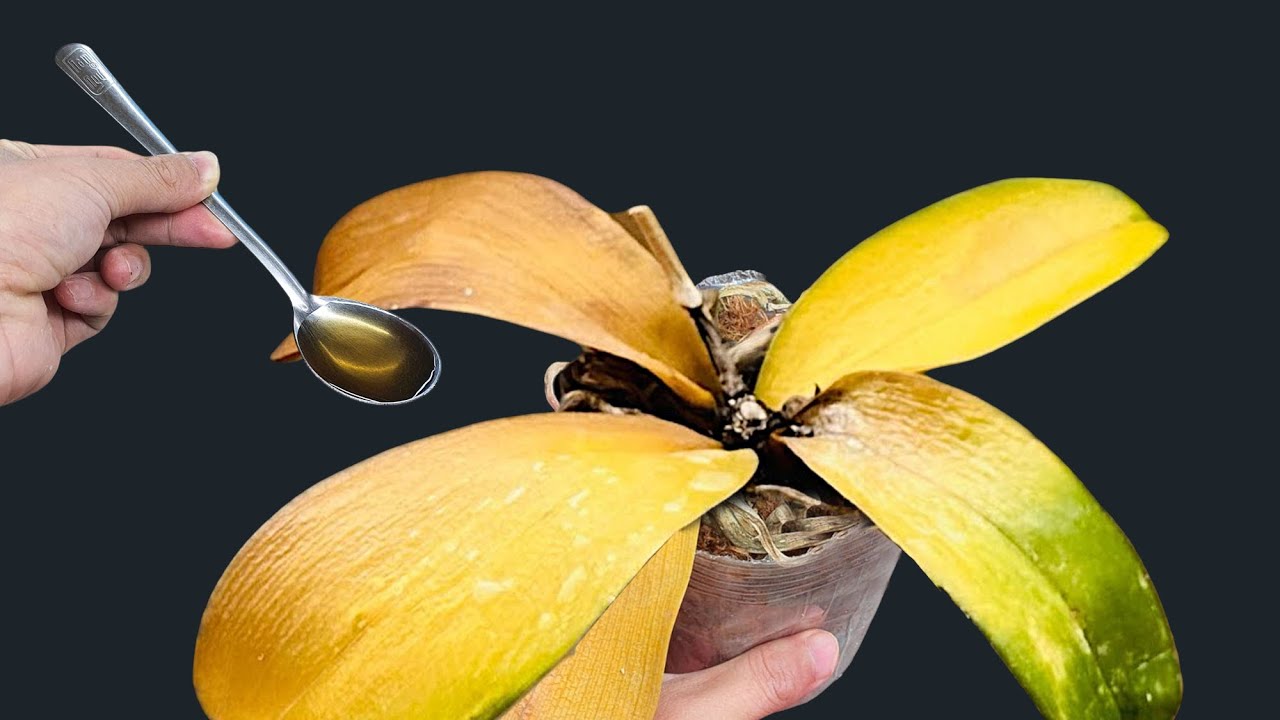
Revive Your Orchids: 1 Simple Spoon for Year-Round Blooms! 🌸
Revive Your Orchids: 1 Simple Spoon for Year-Round Blooms
- Understanding Orchids
- Creating Perfect Conditions for Orchids
- Using the Simple Spoon Technique
- Common Mistakes to Avoid
- FAQ
Have you ever looked at your orchids and wondered why they aren’t blooming as beautifully as you’d hoped? Many enthusiasts struggle with finding the right balance of care to help their orchids thrive. Your plants may look healthy, yet the blooms elude you season after season. Luckily, there are simple techniques that can transform the life of your orchids and encourage vibrant blooms throughout the year. Let’s explore how you can achieve this.
Understanding Orchids
Orchids are enchanting flowers that can bring a piece of nature indoors, yet they are often misunderstood. Here’s what you should know to help them flourish:
1. Different Types of Orchids
Orchids come in various species, each with its own unique needs. Some common types include:
- Phalaenopsis (Moth Orchid): This is the most popular variety, known for its wide blooms and forgiving nature.
- Cattleya: Known for their vibrant flowers, these orchids thrive in bright light.
- Dendrobium: They require a cooler rest period to trigger blooming.
2. Basic Care Requirements
Understanding the essential needs of your orchids will help in their revival:
- Watering: Orchids prefer to dry out slightly between waterings.
- Light: Most orchids need indirect sunlight; direct sun can scorch their leaves.
- Humidity: Aim for a humid environment, ideally between 40-70% humidity.
Creating Perfect Conditions for Orchids
Correct environmental conditions can significantly impact your orchids’ ability to bloom. Here’s how you can set the stage:
1. Ideal Potting Medium
Choosing the right potting mix is crucial:
- Select a medium that allows air circulation, such as bark, perlite, or sphagnum moss.
- Repot your orchids every couple of years to refresh their growing environment.
2. Hydration Techniques
Effective watering promotes healthy growth:
- Soak the medium in water, then let it drain to prevent root rot.
- Monitor the moisture level; let it dry out before the next watering.
Using the Simple Spoon Technique
One surprisingly effective method for encouraging blooms involves using a simple spoon. Here’s how to incorporate this technique into your orchid care:
1. Choosing the Right Spoon
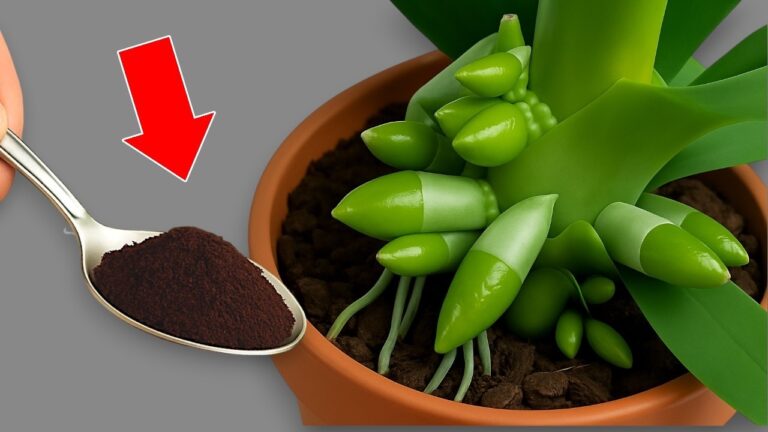
Select a spoon that you’ll dedicate to your orchids, preferably a measuring spoon for consistency.
2. Adding Nutrients
- Fill the spoon with a balanced orchid fertilizer diluted to half the recommended strength.
- Pour this mixture over the potting medium, ensuring it reaches the roots.
3. Frequency of Use
Apply this spoon technique once every two weeks during the growing season for optimal results.
Common Mistakes to Avoid
Even seasoned orchid caretakers can make missteps. Here are some common errors that may hinder your success:
1. Overwatering
One of the most common mistakes is giving your orchids too much water, leading to root rot and other issues.
2. Ignoring Light Requirements
Placing orchids in direct sunlight can scorch their leaves; always opt for filtered light instead.
3. Skipping Fertilizer
Neglecting to fertilize can restrict growth. Remember to feed your orchids, especially during active growth periods.
FAQ
Q: How often should I water my orchids?
A: Most orchids benefit from watering every 7-14 days, depending on humidity and potting medium.
Q: Why are my orchids not blooming?
A: Factors like insufficient light, poor nutrition, and incorrect watering can prevent blooms. Adjusting these conditions can help.
Q: Can I use regular plant fertilizer for my orchids?
A: It’s best to use a fertilizer specifically designed for orchids to meet their unique nutritional needs.
In summary, understanding your orchids and implementing the simple spoon technique can significantly enhance their blooming potential. By creating the right environment and avoiding common pitfalls, you can enjoy beautiful blooms year-round. How have your experiences been with orchid care? Share your thoughts in the comments!