1 Bottle a Week: How to Make Your Orchid Bloom All Year Long!
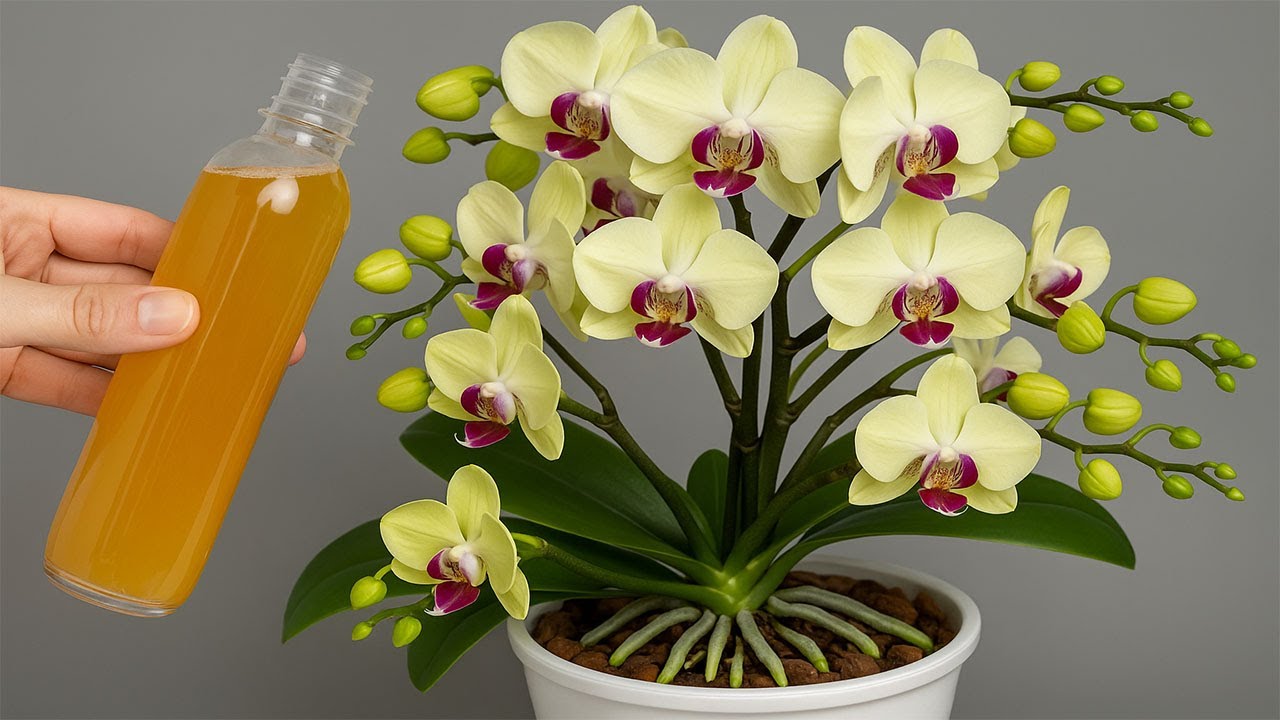
How to Make Your Orchid Bloom All Year Long
Introduction
Have you ever marveled at the stunning beauty of an orchid but struggled to keep it thriving in your home? Perhaps you’ve experienced disappointment when your plant seemed to lose its vibrant blooms all too quickly. Orchids are notorious for their unique needs, and nurturing them to flourish year-round can be a challenge. By understanding their care requirements and seasonal habits, you can transform your orchid into a year-long blooming companion. Read on to find out how you can achieve this stunning display.
Understanding Orchids
To successfully encourage your orchid to bloom throughout the year, it’s vital to understand their natural lifecycle and preferences. Here are key insights:
Types of Orchids
- Cattleya: Known for their large, fragrant blooms, they thrive in bright light.
- Phalaenopsis: Commonly referred to as moth orchids, these are perfect for beginners due to their forgiving nature.
- Dendrobium: These orchids prefer cooler temperatures and can produce flowers multiple times a year.
Natural Habitat
Orchids are often found in tropical environments, where they experience gentle rain and humidity. Replicating these conditions is essential for their health and flowering potential.
Growth Cycle
Most orchids have a natural cycle of growth, rest, and blooming. Learning to recognize these phases will allow you to provide the appropriate care. Typically, **Phalaenopsis** orchids bloom once a year, while some other varieties can flower multiple times, given the right conditions.
Optimal Care Tips for Orchids
Providing the right care is essential to encourage your orchid to bloom consistently. Here are some practical tips:
Watering Practices
- Water your orchids once a week, ensuring the medium is slightly dry between watering.
- Use room temperature water to avoid shocking the plant.
- Drip excess water out of the pot to prevent root rot.
Lighting Conditions
Light is a crucial factor in promoting blooms. Aim to provide:
- Bright, indirect sunlight to prevent leaf burn.
- A south or east-facing window if possible.
- Supplemental grow lights during shorter days in winter.
Nutrient Management
To support flowering, you’ll need to fertilize your orchids properly:
- Use a balanced orchid fertilizer every two weeks during the growing season.
- Dilute the fertilizer to half strength, as orchids are sensitive to strong nutrients.
- Include a high phosphorus fertilizer during the blooming period to encourage more flowers.
Common Mistakes to Avoid
While caring for orchids, it’s easy to make mistakes that can inhibit blooming. Here are common pitfalls to be aware of:
- Overwatering: Many orchid owners give too much water, leading to root rot.
- Insufficient light: Orchids may not bloom if they don’t receive enough light.
- Lack of humidity: Dry air can cause buds to drop before blooming. Aim for at least 50% humidity.
- Neglecting repotting: Orchids should generally be repotted every 1-2 years to refresh their growing medium.
FAQ
How often should I water my orchid? Water your orchid once a week, allowing the medium to dry slightly between waterings.
Why isn’t my orchid blooming? Inadequate light, overwatering, or insufficient nutrients can all inhibit blooming.
What type of fertilizer is best for orchids? Use a balanced orchid fertilizer, diluted to half strength, with higher phosphorus during the blooming period.
Conclusion
By understanding your orchid’s specific needs and taking care to avoid common mistakes, you can help ensure beautiful blooms throughout the year. What tips have you found most effective in keeping your orchids healthy? Share your experiences in the comments!