5 Secrets to Growing Orchids Without Soil or Water All Year Round!
5 Secrets to Growing Orchids Without Soil or Water All Year Round
- Introduction
- Understanding Orchid Growing Techniques
- The Best Mediums for Orchid Growth
- Light and Temperature Tips
- Common Mistakes to Avoid When Growing Orchids
- Frequently Asked Questions
- Conclusion
Introduction
Imagine stepping into a room filled with vibrant, blooming orchids, their colors splashed across your space like a beautiful canvas. You may be surprised to learn that it’s possible to grow these stunning flowers without traditional soil or water. Many gardening enthusiasts are turning to innovative techniques that allow your orchids to flourish all year round. Understanding the right methods can be enjoyable and fulfilling. Continue reading to explore how you can successfully achieve this in your own home.
Understanding Orchid Growing Techniques
To successfully cultivate orchids without soil or water, it’s essential to grasp a few basic concepts.
1. Hydroponic Systems
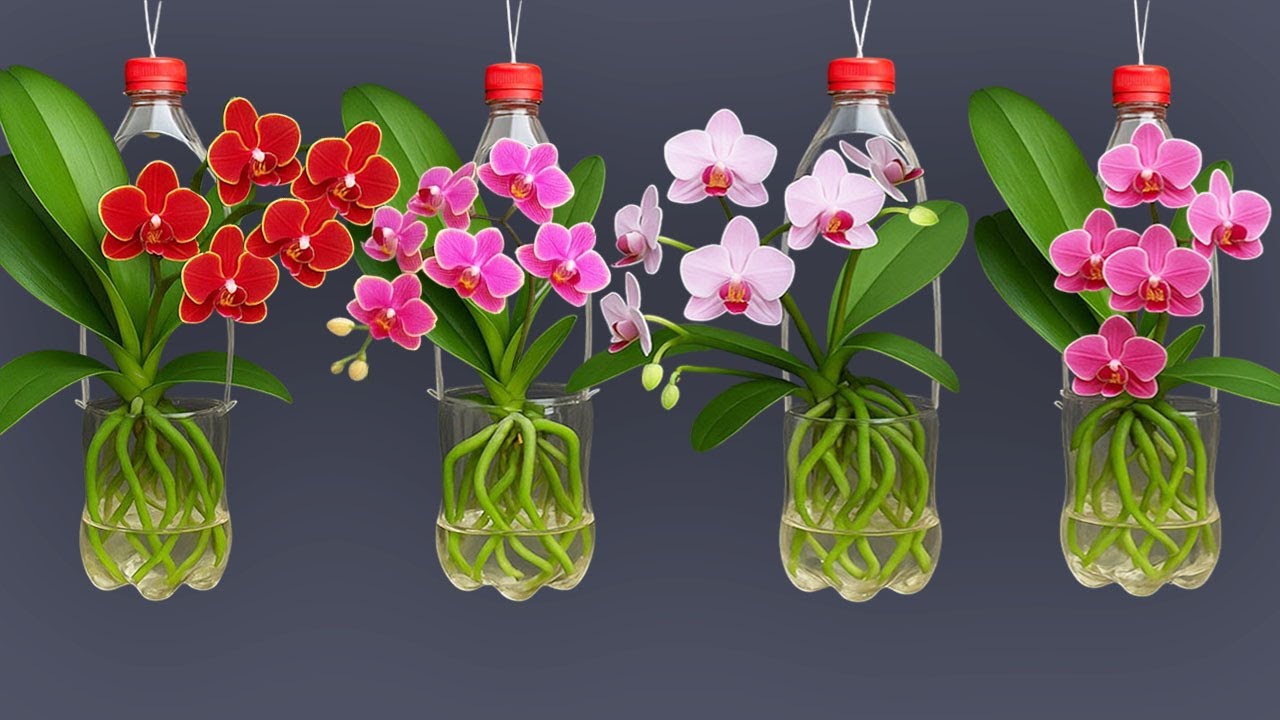
Hydroponics involves growing plants in nutrient-rich solutions without soil. For orchids, this means placing their roots in nutrient-enriched water or organic matter that retains moisture.
2. Aeroponics
Aeroponics is another technique that allows orchids to thrive. This method sprays a nutrient solution directly onto the plant’s roots, promoting growth without the use of traditional growing mediums.
3. Epiphytic Nature
Most orchids are epiphytes, meaning they naturally grow on other surfaces, such as trees. You can mimic this environment using wood chips or bark as an alternative medium.
The Best Mediums for Orchid Growth
Selecting the right medium is crucial for the health of your orchids. Here are popular options that work well without soil.
1. Bark Chips
Bark provides excellent aeration for orchid roots and allows for proper drainage. It retains moisture without becoming waterlogged.
2. Charcoal
Charcoal can help keep your growing medium free from diseases due to its natural filtering abilities. It also provides excellent drainage, making it an ideal component of your orchid potting mix.
3. Coconut Coir
Coconut coir is another great option that retains moisture well. It’s sustainable and adds organic matter to your growing environment, promoting healthy roots.
Light and Temperature Tips
Proper light and temperature control are essential for nurturing orchids without traditional methods.
1. Natural Light Exposure
Orchids generally require bright, indirect light. Placing them near a window where they receive filtered sunlight can be beneficial. Avoid direct sunlight that may scorch the leaves.
2. Temperature Control
Maintaining a stable temperature is vital. Most orchids thrive in temperatures between 65°F and 80°F. Using a thermometer and avoiding extreme conditions will help create a comfortable environment for your plants.
3. Humidity Levels
Orchids often prefer high humidity levels. You can increase humidity by placing water trays near your plants or using a humidifier in the room.
Common Mistakes to Avoid When Growing Orchids
While growing orchids without soil or water can be rewarding, there are common pitfalls to watch for.
1. Overwatering
Watering too frequently can lead to root rot. It’s essential to allow the medium to dry out between waterings.
2. Insufficient Light
Underestimating the light needs of your orchids can halt their growth. Ensure they receive adequate filtered sunlight throughout the day.
3. Ignoring Temperature Changes
Sudden temperature fluctuations can stress your orchids. Keep them in a stable environment to avoid shocking the plant.
Frequently Asked Questions
Can I grow orchids without any medium at all?
Yes, using methods like hydroponics or aeroponics, you can grow orchids without any medium by simply supporting their roots in a nutrient-rich solution.
How often should I fertilize my orchids?
It’s generally best to fertilize orchids every two weeks during the growing season, using a balanced orchid fertilizer to promote healthy growth.
What are the signs my orchids need more light?
If you notice elongated stems or small leaves, your orchids may not be getting enough light. Adjust their placement to ensure proper lighting.
Conclusion
Growing orchids without soil or water is an engaging way to enjoy these beautiful flowers year-round. By understanding the appropriate techniques and avoiding common mistakes, you can create a thriving environment for your orchids. What methods have worked for you when caring for your plants? Share your experiences in the comments below!