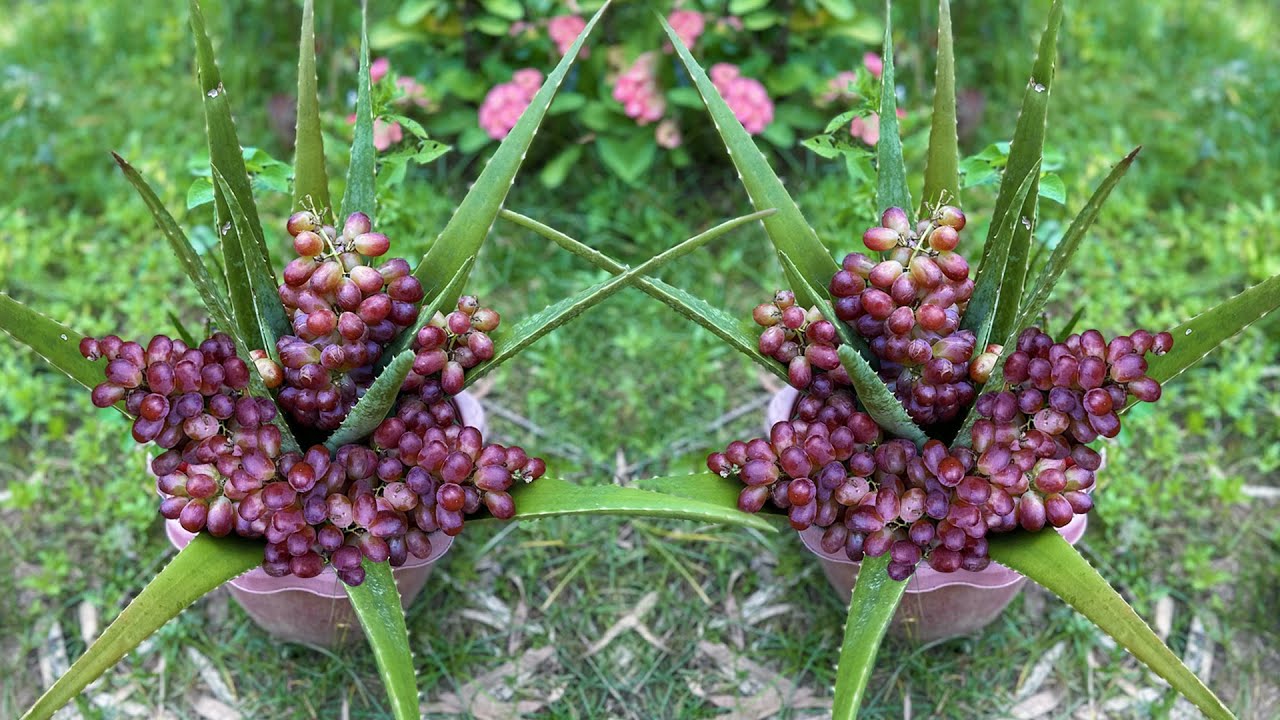
Graft Aloe Vera and Grapes: 5 Steps to Boost Your Fruit Harvest!
Graft Aloe Vera and Grapes: 5 Steps to Boost Your Fruit Harvest
- Introduction
- Grafting Process for Aloe Vera and Grapes
- Best Times to Graft
- Common Mistakes to Avoid
- FAQ
- Conclusion
Introduction
If your garden features both aloe vera and grapes, you might wonder how to make the most of their unique benefits. Grafting these two plants could enhance your grape harvest and provide additional benefits from aloe vera, which is known for its numerous health properties. However, the process can seem complex, leaving you uncertain about where to start. In this article, we will guide you through the steps to graft aloe vera and grapes effectively, so you can enjoy a fruitful garden.
Grafting Process for Aloe Vera and Grapes
The grafting process involves combining the tissues of both plants to create a new one with desirable traits. Here’s how you can do it:
- Gather materials: You will need a healthy aloe vera plant, a grape vine, clean cutting tools, grafting tape, and a rooting hormone.
- Choose the right branch: Select a young, healthy stem from the grape vine. This will be the rootstock for your graft.
- Make the cut: Using clean tools, make a diagonal cut on the grape vine stem, about a quarter of the way through. Ensure it creates a clean surface for the aloe vera.
- Prepare the aloe vera: Take a healthy leaf from your aloe vera plant. Make a diagonal cut at the base, mirroring the angle of the grape cut to ensure a good fit.
- Join and secure: Press the aloe vera leaf onto the cut on the grape stem. Wrap the junction with grafting tape to hold it in place and promote healing.
Tips for Successful Grafting
- Ensure a snug fit between the two plants for better tissue union.
- Work in the early morning when plants have high moisture levels.
Visualizing Your Graft
Consider taking a picture of the grafted area for future reference. Documenting its progress can be satisfying and helpful in understanding how well your graft is taking.
Best Times to Graft
Choosing the right time to graft aloe vera and grapes can significantly affect your success. Here are key timings to consider:
- Spring: This is the optimal time to graft as both plants are actively growing, promoting stronger unions.
- Fall: Grafting in early fall can also be effective, but be cautious as the temperature cools down, which can affect healing.
Understanding Plant Cycles
Pay attention to your plants’ growth cycles. Grafting during their active growth phase can maximize growth potential in the grafted portion.
Common Mistakes to Avoid
While grafting can be a rewarding venture, several mistakes can derail your success. Here are common issues to watch for:
- Forgetting to sterilize tools: Using unclean tools can introduce diseases and hinder the graft.
- Poorly aligned cuts: Misalignment can prevent proper joining of tissues, weakening the graft.
- Neglecting moisture needs: Ensure the grafted area remains moist to support healing.
Preventive Measures
Taking your time and double-checking each step can prevent a lot of headaches later. Be patient and observant during the process.
FAQ
What is grafting?
Grafting is a horticultural technique where tissues of one plant are inserted into those of another, allowing them to grow together. This method is often used to enhance plant qualities.
Can grafting be done on any types of plants?
No, not all plants are compatible. Typically, grafting works best between closely related species. Aloe vera and certain grapes work well due to their similar characteristics.
How long does it take for a graft to take?
The grafting takes usually a few weeks to several months, depending on plant health and environmental conditions. Keeping your graft moist and protected can speed up the healing process.
Conclusion
Grafting aloe vera and grapes is an excellent way to enhance your garden’s productivity while harnessing the benefits of both plants. By following these guidelines and avoiding common pitfalls, you can look forward to a fruitful harvest. Have you tried grafting before? Share your experiences in the comments below!