Grow 10+ Potatoes on a Pallet: Easy Steps for a Bountiful Harvest
Grow Potatoes on a Pallet: Easy Steps for a Bountiful Harvest
- Introduction
- Required Materials
- Preparing the Pallet
- Planting Potatoes
- Care and Maintenance
- Common Mistakes
- FAQ
- Conclusion
Introduction
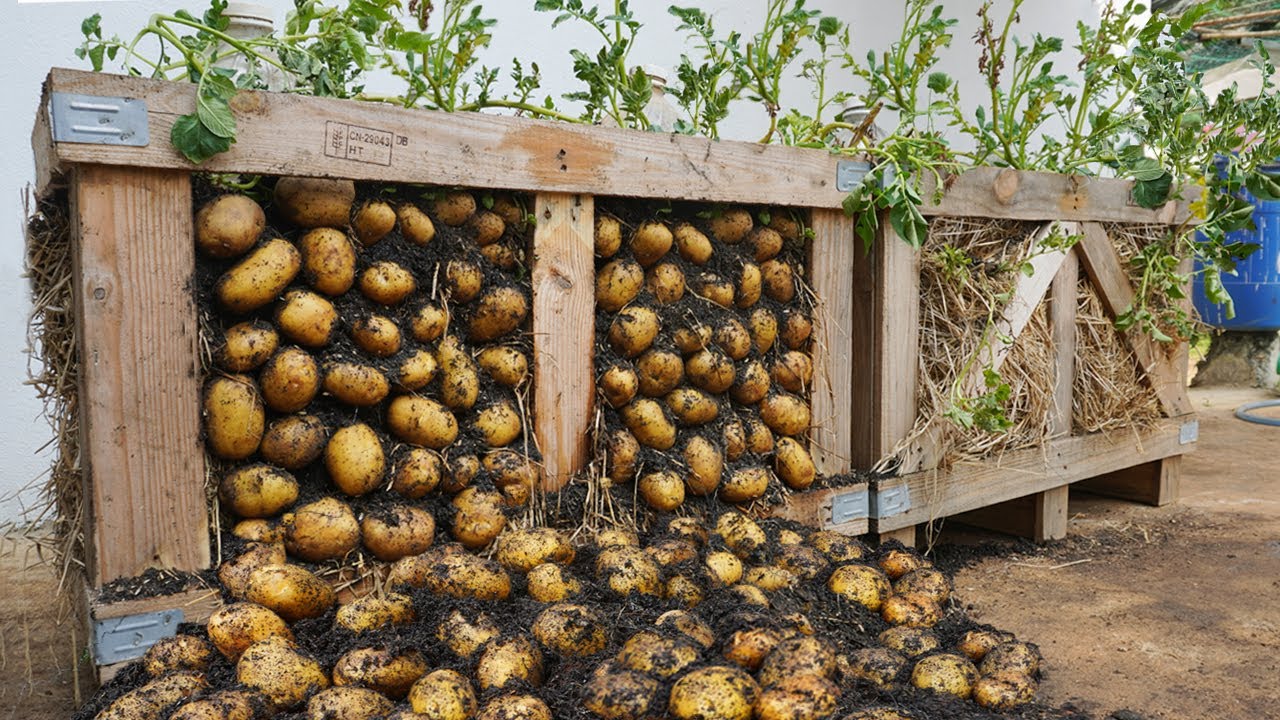
Have you ever thought about how to make the most of limited gardening space while still enjoying the fruits of your labor? Growing potatoes in a pallet is an innovative way to produce an abundant yield without needing a large plot of land. This method is not only space-efficient but can also add a rustic charm to your outdoor area. If you’re curious about how to achieve a bountiful harvest in a fun and sustainable way, keep reading to discover the essential steps!
Required Materials
Before diving into the process, it’s important to gather your materials. Here’s a list of what you will need for your potato-growing project:
- Wooden pallet: Ensure it’s untreated and clean.
- Potato seeds: Choose your favorite variety, such as Yukon Gold or Red Pontiac.
- Soil: Use a mix of potting soil and compost for optimal growth.
- Mulch: Straw or wood chips work well to retain moisture.
- Watering can or hose: Keep your plants hydrated throughout the growing season.
Preparing the Pallet
Getting your pallet ready is crucial for a successful potato harvest. Follow these steps to prepare your structure:
- Clean: Inspect the pallet for any dirt, debris, or harmful chemicals.
- Reinforce: Ensure the pallet is sturdy. You can use nails to fix any weak spots.
- Lay flat: Position the pallet in a sunny spot in your garden or yard.
- Fill with soil: Add a layer of soil to the bottom slats, about 6 inches deep.
Planting Potatoes
Once your pallet is ready, it’s time to plant your potatoes. Here’s how to do it:
- Cut: If using larger seed potatoes, cut them into pieces with at least one eye each.
- Place: Place the seed potatoes in the soil, ensuring the eyes face upward, spaced about 12 inches apart.
- Cover: Add more soil until the potatoes are covered, leaving the top slats open for air circulation.
- Water: Give your planted potatoes a good soaking to help them settle in.
Care and Maintenance
To ensure healthy growth, your potato plants will need care and attention:
- Water regularly: Check the soil moisture weekly; potatoes need consistent watering.
- Add mulch: As the plants begin to grow, add mulch to conserve moisture and prevent weeds.
- Fertilize: Consider applying a natural fertilizer once the plants are a few inches tall to boost growth.
- Check for pests: Keep an eye out for common threats like aphids or beetles.
Common Mistakes
Even with the best intentions, mistakes can happen. Here are some common pitfalls to avoid when growing potatoes in a pallet:
- Not using a clean pallet can introduce pests and diseases to your garden.
- Overwatering the potatoes can lead to rot; ensure proper drainage.
- Forgetting to fertilize may result in stunted growth.
- Not checking for pests regularly can lead to infestations that damage your crop.
FAQ
How many potatoes can I grow in a pallet?
You can typically grow 8 to 10 potato plants in a standard pallet, depending on the size and spacing.
What type of potatoes are best for pallet gardening?
Choosing early or mid-season varieties, like Yukon Gold or Red Pontiac, is ideal for pallet gardening since they typically produce well in limited space.
How long will it take for my potatoes to grow?
Generally, potatoes take about 70 to 100 days to mature, depending on the variety and growing conditions.
Conclusion
Growing potatoes on a pallet is a clever way to maximize your gardening efforts while enjoying a satisfying harvest. By following these steps and avoiding common mistakes, you’ll be on your way to a successful growing experience. What’s your favorite variety of potato to grow? Share your thoughts in the comments!