6 Warning Signs Your Houseplants Need Repotting and How to Do It
6 Warning Signs Your Houseplants Need Repotting and How to Do It
As houseplants continue to trend, many of us now have at least one in our homes. For avid gardeners, especially those in tight spaces, the number can be much higher. While caring for these green companions is essential, one crucial task often gets overlooked: repotting.
When Is The Best Time To Repot Houseplants?
Repotting can be a confusing task. Some gardeners tend to repot too soon, while others wait far too long. Understanding when to repot is vital for your plants’ health.
Repotting Too Early
It’s common for new plant owners to repot their plants right after bringing them home, thinking they’re providing the best care. However, nursery conditions are almost impossible to replicate indoors. Plants need time to adjust to their new environment, and immediate repotting can add unnecessary stress.
Repotting Too Late
On the flip side, an indoor plant left in the same pot for years may start to decline. If a plant that once thrived begins to wither, it could be due to a lack of space and nutrients. When the soil structure deteriorates, the roots cannot absorb adequate resources, leading to poor health.
6 Signs That Indicate It’s Time to Repot
-
1. The Roots Are Visible
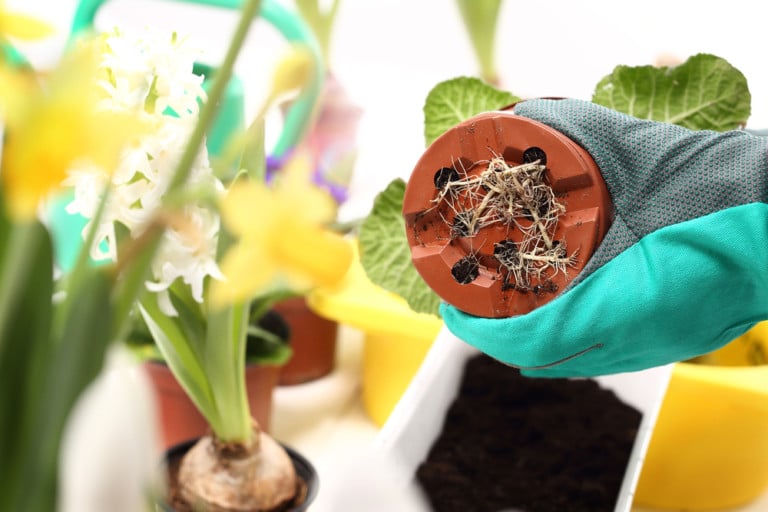
When roots start creeping through the pot’s drainage holes or above the soil line, it’s a clear indicator that the plant needs a larger home. Check the roots by gently pulling the plant from its pot; if more roots than soil are visible, repot immediately.
-
2. The Plant Is Losing Leaves
Leaf drop can signal stress. If you’ve ruled out overwatering or underwatering, it might be time to repot. An overcrowded pot or nutrient-deficient soil can lead to this distress response.
-
3. It Stops Growing
Indoor plants naturally grow slowly, but if your plant seems stagnant, it could indicate it has outgrown its pot. Repotting can provide the space it needs to thrive.
-
4. The Leaves Are Drooping
Wilting leaves can often be attributed to improper watering. If you’re confident in your watering routine but still see drooping, root constriction from being pot-bound could be the issue. Repotting in fresh soil might restore its vigor.
-
5. The Leaves Are Yellow
Yellow leaves are a common issue with various causes. If fertilization doesn’t solve the problem and the soil is nutrient-depleted, repotting with fresh soil is crucial to restore the plant’s health.
-
6. The Plant Looks Too Large For The Pot
If your plant appears oversized for its pot, even if it seems healthy, it’s time to repot. Ideally, the plant shouldn’t exceed 2-3 times the pot’s size to maintain balance and health.
How To Repot Your Houseplants
Understanding when to repot is important, but knowing how to do it correctly is just as crucial.
Choosing the Right Pot
Select a new pot that is one or two sizes larger than the current one. Avoid choosing a pot that is too large, as this can lead to overwatering and root rot.
Creating the Perfect Soil Mix
Use a soil mix specifically designed for houseplants. Avoid regular potting or garden soil, as they lack the necessary drainage and nutrient composition. A good mix often includes potting soil, bark, perlite, and a water-retaining material like coconut coir.
Repotting Steps
When you’re ready to repot, gently squeeze the sides of the pot to loosen the plant, turn it sideways, and pull it out. It’s best to do this just before watering. Tease out the roots and remove any bad soil, checking for signs of rot.
Fill the bottom third of the new pot with potting mix, place the plant inside, and fill in around the plant, compacting the soil. Leave a bit of space above the soil line for watering. Once settled, water thoroughly and return the plant to its original spot, ensuring it’s comfortable in its new home.
Conclusion
Repotting may not be the most enjoyable task, but it is vital for your plants’ long-term health. Keep an eye out for the signs mentioned above and take action when necessary. This will ensure your green companions thrive in their best conditions.