7 Surprising Ways to Use Citrus Leaves You Need to Discover
7 Surprising Ways to Use Citrus Leaves You Need to Discover
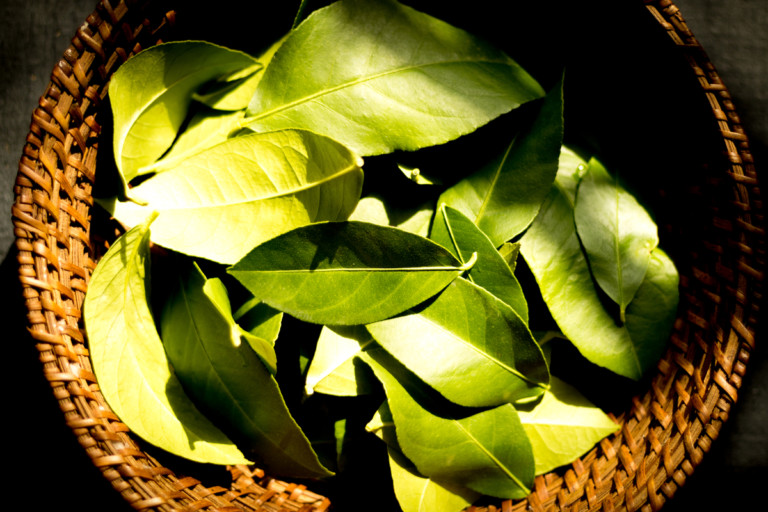
Citrus trees—whether lemon, lime, mandarin, grapefruit, or other delightful varieties—are fantastic additions to any garden or home. Beyond their beautiful, fragrant flowers and bright fruits, citrus trees provide versatile leaves that can be utilized in numerous ways. Discover the many unexpected uses for citrus leaves in your home, kitchen, and medicine cabinet!
Around The Home
1. Leafy Decor
Smaller citrus trees are becoming popular as indoor plants. Just brushing past them releases a light, refreshing scent. You don’t need to grow these trees indoors to enjoy the benefits of their leaves. Citrus leaves add a unique touch to home decor.
- Create a stunning table centerpiece by loosely scattering leaves around your dinner table for a Mediterranean vibe.
- Wrap leaves around balustrades or craft a unique wreath to elevate your home’s style.
- Incorporate additional fruits like lemons for a tropical extravaganza.
- Add depth to flower bouquets with deep green citrus leaves that contrast beautifully with colorful blooms.
2. Citrus Potpourri
If you love the scent of citrus leaves but want something more potent, try making your own citrus potpourri. This delightful home fragrance alternative is easy to create and doubles as decor.
For your potpourri, gather:
- Citrus leaves of your choice
- Flower heads or petals
- Sprigs of rosemary
- Dryable scented extras (like cinnamon sticks, lavender, and essential oils)
To make:
- Preheat your oven to 200°F.
- Arrange all ingredients on a baking tray and bake until brittle, about two hours.
- Let cool and then display in a bowl, refreshing with essential oil as desired.
Potpourri also makes a fantastic gift! Place your mixture in breathable bags for long-lasting citrus scents in closets.
In The Medicine Cabinet
When using citrus leaves for medicinal purposes, ensure they are pesticide-free. It’s best to source from your own trees or trusted sources.
3. Lemon Leaf Tea
Citrus leaves are rich in vitamin C and flavonoids, making them ideal for herbal teas. Lemon leaf tea is not only a comforting drink but also boasts anti-inflammatory properties.
To brew, you will need:
- 2 cups of water
- 10 washed lemon leaves
Instructions:
- Boil water and add lemon leaves.
- Reduce heat and simmer for 5 minutes.
- Strain and enjoy! Consider adding honey for sweetness and antibacterial benefits.
For a unique twist, make a hot toddy by adding spirits and garnishing with cinnamon and citrus slices.
In The Kitchen
4. Lemon Leaf Soda
Refresh yourself with lemon leaf soda, a Spanish-inspired drink that can also replace tonic water in cocktails.
Gather these ingredients:
- A bowl of washed lemon leaves
- A gallon of water
- The juice of one lemon
- 1 cup of honey or sugar
- Contents of one probiotic capsule or 1 tsp probiotic powder
Steps:
- Boil water and steep lemon leaves for 8 hours or overnight.
- Strain and mix in sugar/honey, lemon juice, and probiotic powder.
- Store in sealable containers for fermentation, which can take up to a month.
Enjoy refreshing lemon leaf soda for months!
5. Meat Wrap
Citrus leaves can enhance the flavor of meats. Italians often wrap meats in citrus leaves for a zesty flavor infusion.
For a delicious appetizer, wrap homemade meatballs in citrus leaves, secure with toothpicks, and bake at 390°F for 15 minutes.
6. Mozzarella and Citrus Leaves
Another delightful Italian dish uses citrus leaves to wrap fresh mozzarella before grilling. This recipe highlights the unique culinary heritage of Positano.
Ingredients:
- 9 ounces of fresh mozzarella
- 8 washed lemon leaves
Instructions:
- Refrigerate the mozzarella overnight for firmness.
- Wrap cheese pieces in lemon leaves and fry until blisters form, then finish in the oven to melt.
- Serve hot with crispy bread!
7. Citrus Up Your Curries
Citrus leaves are perfect for enhancing curries. Lime leaves are commonly used in Thai cooking, but lemon leaves can substitute perfectly.
Try a Thai-inspired dish featuring butternut squash and spinach for a warm, winter curry that captures the essence of citrus.
Conclusion
Citrus trees provide more than just tasty fruits; their leaves are a treasure trove of possibilities. From creating unique decor to enhancing culinary experiences and boosting your health, citrus leaves offer endless benefits. Explore these surprising uses and enrich your home and life!