11 Compelling Reasons to Raise Quail Over Ducks and Chickens + Starter Guide
“`html
11 Compelling Reasons to Raise Quail Over Ducks and Chickens + Starter Guide
If you’ve ever found yourself debating whether chickens or ducks are the better backyard birds, you’re not alone. However, consider this: quail might just be the best option to add to your homestead. Discover why quail are an exceptional choice for your poultry needs!
Why Choose Quail Over Other Backyard Birds?
While chickens and ducks are popular choices, quail offer a range of benefits that make them worthy contenders in the backyard poultry debate. Let’s dive into the compelling reasons to consider raising quail.
1. Quail Eggs
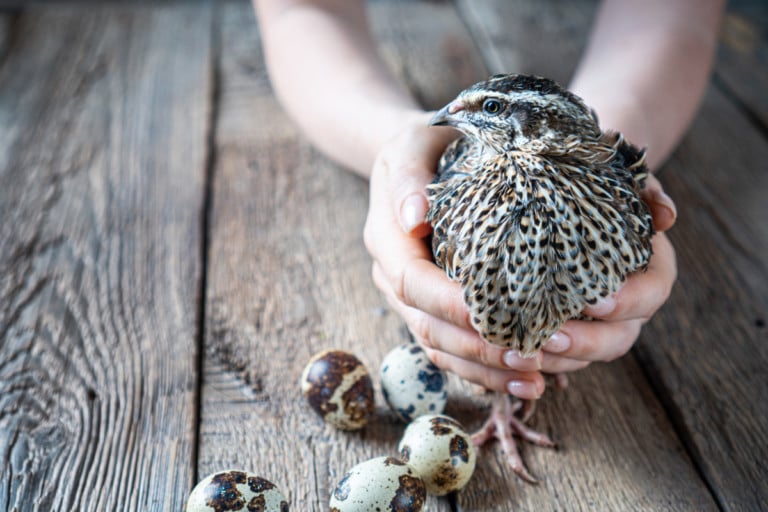
Dreaming of fresh eggs for breakfast? Quail are your fast track to egg production. They start laying as early as six to eight weeks, compared to ducks at five to six months and chickens at around 18 weeks. With each hen producing up to 300 eggs a year, quail provide ample supply.
Quail eggs are not just frequent; they are nutritionally rich, boasting up to six times more vitamin B1 and fifteen times more B2 than chicken eggs. They are also loaded with iron and potassium, making them a terrific addition to any healthy diet.
2. Quail Meat
In addition to their eggs, quail also provide a source of meat. They mature quickly, ready for processing at just six to eight weeks old, making them an efficient option for those interested in self-sufficiency.
3. Space Requirements
Quail, particularly the Coturnix variety, require significantly less space than chickens or ducks. One square foot per bird is recommended, making them suitable even for urban environments. A simple rabbit hutch can accommodate several quail, simplifying their care.
4. Feed Requirements
As omnivorous scavengers, quail will eat a wide range of foods. Their diet can consist of greens, seeds, and insects, with a daily intake of about 20 grams per bird. This versatility makes them easy to feed and care for.
5. Quiet Nature
Quail are known for their gentle demeanor. Unlike roosters or ducks, they are significantly quieter, making them ideal for backyard settings, especially in close-knit neighborhoods. Their soft coos are more reminiscent of songbirds than the disruptive sounds of larger birds.
6. Rapid Maturation
Quail mature quickly, allowing for early identification of males and females within three weeks. They begin laying eggs shortly after maturing, providing a swift return on your investment.
7. Hardiness
Quail are incredibly hardy birds, typically facing fewer health issues than chickens. They can thrive in various temperature extremes, so long as they have access to clean water and shelter from predators.
8. Profit Potential
Raising quail can be a profitable venture. The demand for quail eggs and meat is growing, particularly among gourmet chefs. Consider marketing your products to local restaurants and specialty stores to maximize your income.
9. Nutritional Value
Quail meat is considered a delicacy with significantly higher nutritional content than chicken. It offers four times the vitamin C, three times the iron, and is a complete source of protein with essential amino acids.
10. Not Considered Livestock
For those living in urban areas, quail might be the ideal poultry choice as they are often classified as game birds rather than livestock. This can make local regulations less restrictive, allowing you to keep them in your backyard.
11. Family-Friendly
Quail are gentle and skittish, making them safe around children and family gatherings. Unlike more aggressive or noisy birds, quail can comfortably coexist with your loved ones, adding charm without the chaos.
How to Get Started with Raising Quail
If you’re ready to dive into quail raising, spring and summer are ideal seasons to start. Here are some steps to get you going:
- Choose a housing system, such as a secure cage or a semi-free range setup to protect against predators.
- Obtain either quail eggs for incubation or young chicks from a reputable breeder.
- Ensure clean water and a suitable diet rich in vitamins and minerals are available.
- Provide a clean, well-ventilated living space; avoid relying on nesting boxes, as quail prefer to lay eggs wherever they feel comfortable.
- Be mindful of nearby predators like cats and stay on top of their living conditions.
Conclusion
Raising quail can be an enriching experience, providing nutritious eggs and meat along with the joys of caring for these delightful birds. Consider your space, noise concerns, and family dynamics as you embark on this rewarding journey. With the right preparation and care, you can successfully integrate quail into your homestead!
“`