1 Spoon to Make Your Orchid Bloom All Year Round – Discover the Secret!
1 Spoon to Make Your Orchid Bloom All Year Round
- Introduction
- Understanding Orchids
- Essential Techniques for Orchid Care
- Common Mistakes to Avoid
- FAQ
Introduction
Orchids often leave you in awe with their stunning blooms, yet maintaining their beauty all year round can feel overwhelming. If you’ve ever marveled at a friend’s lush orchid collection, only to find your own plant lacking, you’re not alone. Many orchid enthusiasts struggle to keep their plants thriving and blooming consistently. The good news is that with the right techniques and a few adjustments to your care routine, you can encourage your orchids to produce beautiful flowers throughout the year. Keep reading to discover how.
Understanding Orchids
To care for orchids effectively, it’s essential to understand their unique needs.
1. Orchid Types
There are several types of orchids, with Phalaenopsis being the most popular for home gardeners. Each type has specific care requirements, but most share similar basic needs.
2. Natural Habitat
Orchids typically grow in tropical climates, where they thrive in humid environments with filtered light. Mimicking these conditions at home can greatly benefit your plants.
3. Blooming Cycle
Understanding the blooming cycle of your orchids can help you provide the right care at the right time. Most orchids will bloom once a year, but some can flower multiple times with the proper care.
Essential Techniques for Orchid Care
With a basic understanding of orchids, you can implement key care techniques to promote year-round blooming.
1. Optimal Watering
- Check moisture levels by sticking your finger in the potting mix; it should be slightly dry to the touch before watering.
- Water deeply, allowing excess to drain away. This keeps roots healthy and prevents rot.
- Adjust your watering schedule based on the season; orchids may need less water in winter.
2. Fertilization
- Use a balanced, water-soluble fertilizer specifically designed for orchids every two weeks during the growing season.
- Switch to once a month during the dormancy period.
- Mix one tablespoon of fertilizer with a gallon of water for effective feeding.
3. Lighting Conditions
Provide bright, indirect sunlight for most orchids. If you notice your plant stretching towards the light, it may need more exposure. Conversely, if leaves are yellowing, it might be receiving too much direct sunlight.
Additionally, consider rotating your orchid every week for even light distribution.
Common Mistakes to Avoid
Even experienced plant lovers can struggle with orchids. Here are some common mistakes to be aware of:
- Overwatering: Many orchids succumb to root rot, which is often caused by excessive watering. Ensure your potting medium is properly drained.
- Ignoring humidity: Orchids thrive in humidity. Using a humidity tray can help maintain the moisture level around your plants.
- Inconsistent lighting: Failing to provide stable light conditions can hinder blooming. Regularly assess and adjust their placement as needed.
- Not repotting: Orchids need to be repotted every couple of years to refresh the growing medium and encourage healthy growth.
FAQ
Q: How often should I water my orchids? A: Water your orchids when the potting medium feels slightly dry, typically every 5-12 days, depending on humidity and temperature.
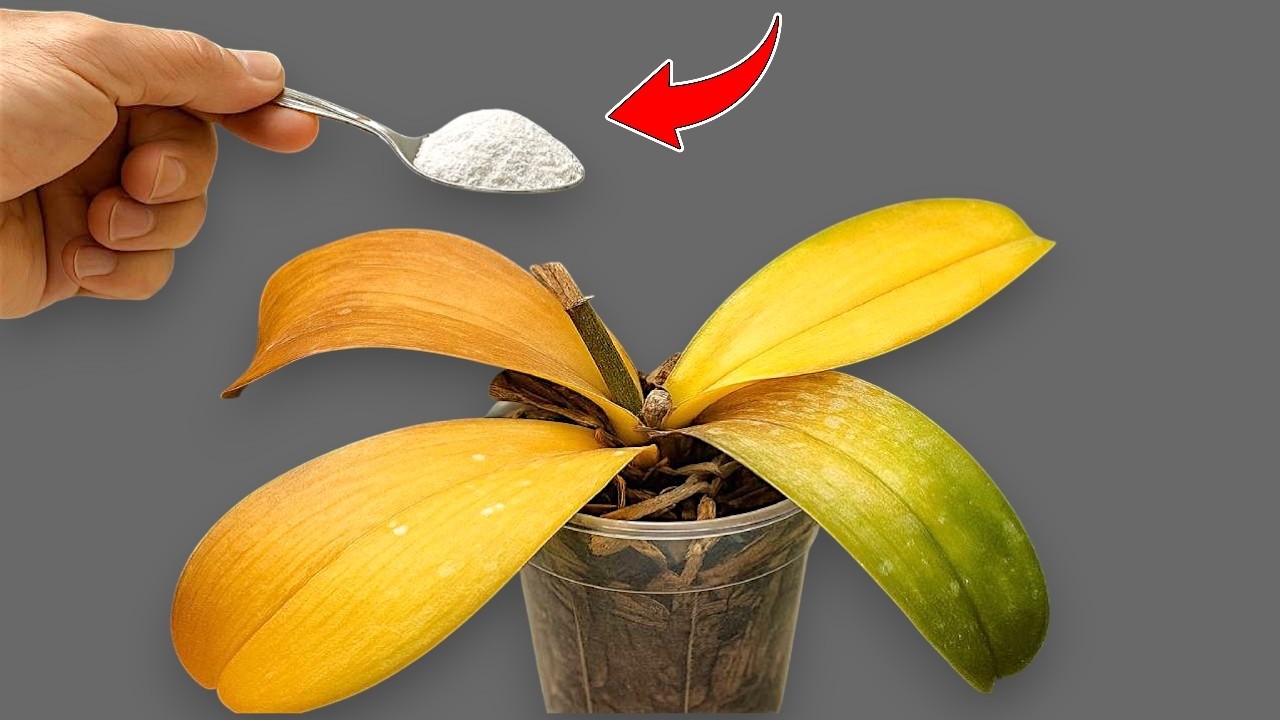
Q: Why are my orchid leaves turning yellow? A: Yellowing leaves can indicate problems with watering or lighting. Check both to adjust your care approach.
Q: Can I use regular fertilizer for my orchids? A: It’s best to use a specially formulated orchid fertilizer, as general fertilizers may not provide the necessary nutrients.
Conclusion
Ensuring your orchids bloom year-round requires attention to watering, fertilization, and light conditions. By avoiding common mistakes and applying these essential techniques, you can foster thriving plants full of life. What challenges have you faced with your orchids? Feel free to share your experiences in the comments!