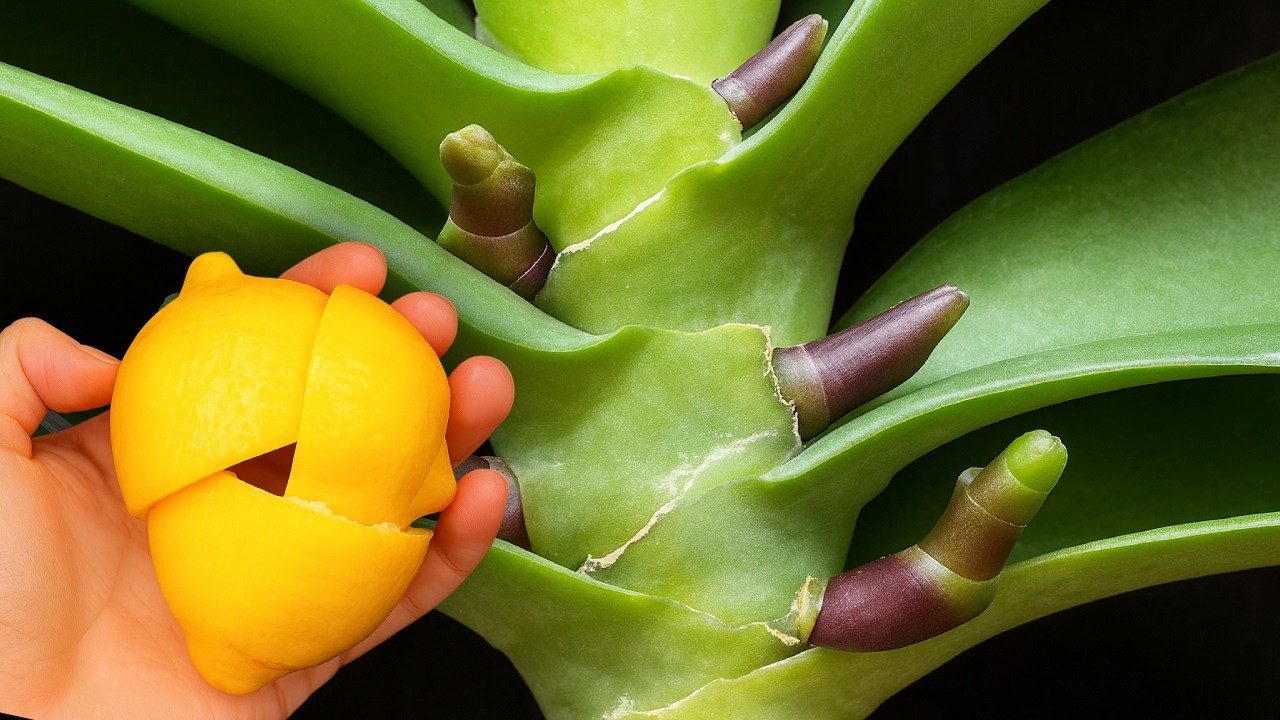
Grow Vibrant Roots and Flowers: 1 Lemon a Month for Year-Round Blooming!
Grow Vibrant Roots and Flowers: Enjoy Year-Round Lemon Harvests
- Introduction
- Required Materials
- Planting Steps
- Care Tips for Optimal Growth
- Common Mistakes to Avoid
- FAQ
- Conclusion
Introduction
Imagine walking into your garden and being greeted by the fresh aroma of lemons and vibrant flowers. Cultivating lemons at home can be a delightful experience, but many gardeners face the challenge of maintaining healthy plants that yield fruit year-round. If you’re wondering how to create a thriving lemon garden that not only produces fruit but also enhances your landscape with beautiful blooms, keep reading to discover practical steps you can take.
Required Materials
Before diving into the joys of lemon gardening, it’s essential to gather the right tools and materials. This will set you up for success in growing a healthy lemon tree that will bring you joy throughout the year.
- Potting soil: Choose well-draining potting soil to ensure your lemon tree has the nutrients it needs.
- Pots: Select large pots with drainage holes, preferably 10-12 inches in diameter for optimal growth.
- Lemon seeds: Opt for organic lemon seeds or young saplings to start your gardening journey.
- Watering can: Ensure you have a watering can with a spout for gentle watering.
- Fertilizer: A balanced, slow-release fertilizer will promote healthy growth.
Planting Steps
Getting your lemon tree off to a good start is crucial for its growth and fruit-bearing potential. Follow these straightforward steps to plant your lemons effectively.
- Prepare the pot: Fill your pot with potting soil, leaving about two inches of space from the top.
- Plant the seeds: If using seeds, plant them about half an inch deep in the soil. For saplings, dig a hole large enough to accommodate the roots.
- Water the soil: Gently water after planting. Make sure the soil is moist but not overly saturated.
- Find a sunny spot: Place the pot in an area where it receives plenty of sunlight, ideally six to eight hours a day.
It’s essential to monitor humidity levels, especially if you live in a dry climate, as this can help your lemon tree thrive.
Care Tips for Optimal Growth
With your lemon tree planted, keeping it healthy and vibrant is your next focus. Here are key care tips to ensure strong growth and bountiful blooms.
Watering Guidelines
Proper watering is crucial for lemon trees. Water your plants when the top inch of soil feels dry. Ensure the pot has good drainage to prevent root rot.
Fertilization Schedule
Feed your lemon tree every six to eight weeks using a balanced fertilizer during the growing season. This ensures it receives necessary nutrients for optimal growth.
Pruning Techniques
Pruning helps improve air circulation and encourages bushier growth. Trim any dead branches and shape your tree to promote even growth, ideally in early spring.
Common Mistakes to Avoid
Even seasoned gardeners can make mistakes when growing lemon trees. Here are common pitfalls to watch out for, along with their solutions.
- Overwatering: One of the most frequent mistakes is overwatering, leading to root rot. Make sure to check soil moisture before watering.
- Poor sunlight: Not providing enough sunlight can hinder growth. Ensure your lemon tree gets adequate sunlight daily.
- Ignoring pests: Aphids and spider mites can harm your plants. Regularly check for signs of pests and take action as needed.
- Inconsistent temperatures: Sudden temperature changes can stress your tree. Keep it in a stable environment, away from drafts.
FAQ
How long does it take for a lemon tree to produce fruit?
It typically takes about three to five years for a lemon tree to start producing fruit, depending on the variety and growing conditions.
Can I grow a lemon tree indoors?
Yes, lemon trees can thrive indoors as long as they receive sufficient sunlight and are kept in a warm environment.
What is the best fertilizer for lemon trees?
A balanced fertilizer designed for citrus trees is ideal, as it provides the necessary nutrients for healthy growth and fruiting.
Conclusion
With the proper materials and steps, you can cultivate a lemon tree that will not only provide you with delicious fruit but also enhance your garden’s beauty. What challenges have you faced in your gardening journey that you’d like to share?