This forgotten trick allows you to grow veggies at home without buying any seeds…
This Forgotten Trick Allows You to Grow Veggies at Home Without Buying Any Seeds
If you’re looking for a way to grow your own **vegetables** without breaking the bank, you’re in the right place! This simple yet effective trick will help you cultivate a vibrant garden without the need to purchase seeds. Let’s dive into how you can make this happen!
What You Need to Get Started
Before we begin, here’s a quick list of what you’ll need:
- Kitchen scraps (like veggie peels or fruit seeds)
- Soil or compost
- Containers (pots, trays, or even old containers)
- Water
- Sunlight
Step-by-Step Guide to Growing Vegetables Without Seeds
Step 1: Collect Your Kitchen Scraps
Start by gathering **kitchen scraps** from your meals. Items like carrot tops, potato eyes, and leftover celery can be transformed into new plants. Choose scraps that are still fresh and healthy to give your plants a strong start.
Step 2: Prepare the Soil
Mix the soil using equal parts of **compost** and garden soil. This combination will provide nutrients and ensure proper drainage. If you don’t have compost, enriched garden soil can work too. Make sure your soil is loose and well-aerated for optimal growth.
Step 3: Plant Your Scraps
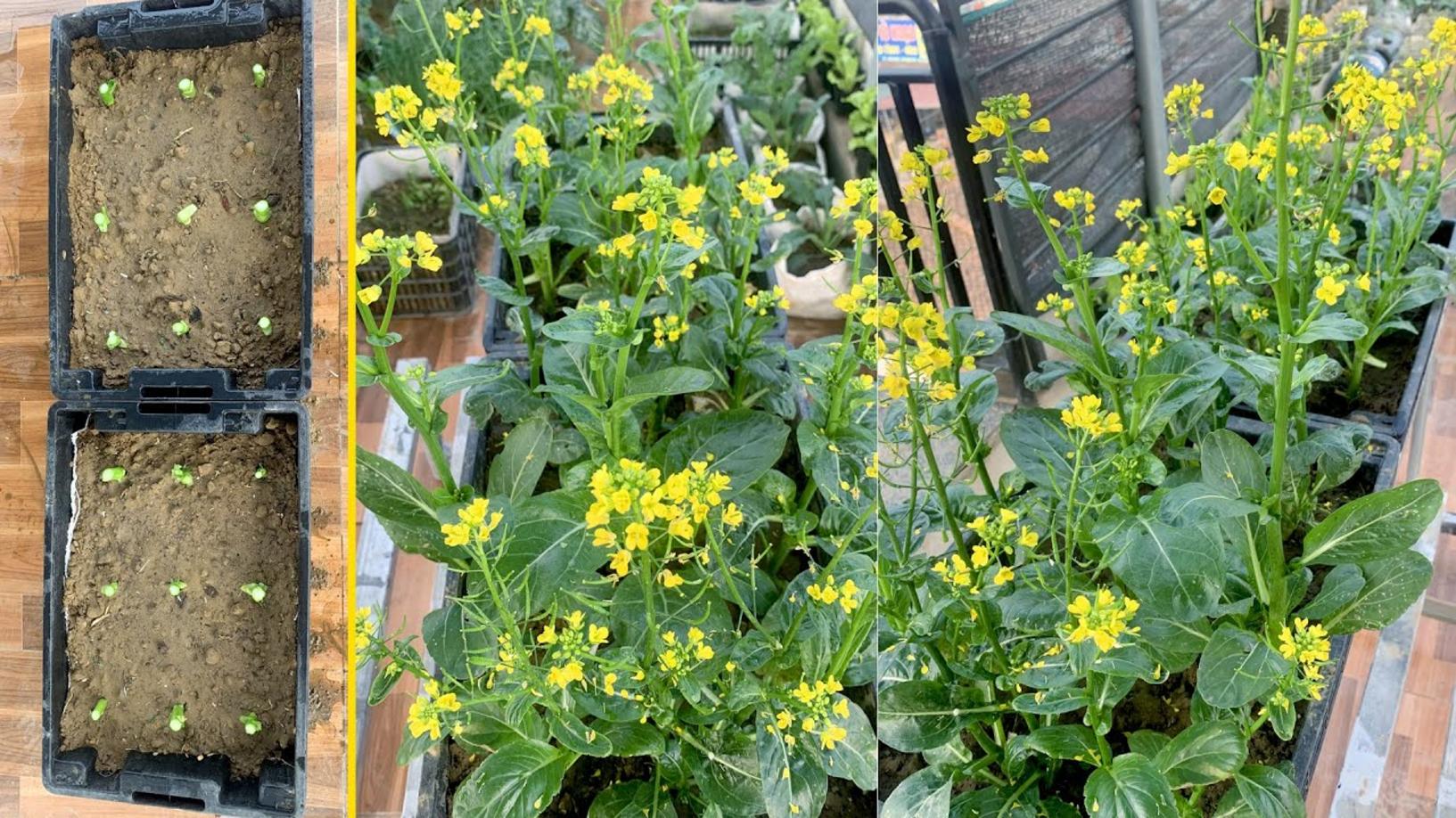
Place your kitchen scraps into the prepared soil. For instance, bury potato eyes just beneath the surface, or place celery bottoms in shallow soil with the cut end up. Ensure you leave enough space between plants for them to grow.
Step 4: Water and Provide Sunlight
Water your plants generously after planting but avoid overwatering. Keep the soil moist but not soggy. Position your containers in a spot that receives **at least six hours of sunlight** each day for healthy growth.
Step 5: Patience is Key
Watch your plants closely. Growth may take a few weeks, but don’t get discouraged! Continue to water and care for them daily. You’ll be amazed at what happens as new veggies begin to grow from what you once discarded.
Common Mistakes to Avoid
- Overcrowding: Don’t plant too many scraps in one pot. Give each plant space to thrive.
- Ignoring Light: Ensure your plants get enough sunlight. If they’re not growing, move them to a brighter location.
- Improper Watering: Stay attentive to the moisture level; too much or too little can harm your plants.
Conclusion: Your Garden Awaits!
Now that you know this **forgotten trick**, it’s time to transform your kitchen scraps into a flourishing garden. Not only is this method budget-friendly, but it’s also an incredible way to reduce waste and embrace sustainability. Start planting today and watch your veggies thrive right at home!
Don’t forget to share your gardening journey with friends and family. And if you found this information helpful, consider subscribing to our channel for more amazing gardening tips. Happy growing!