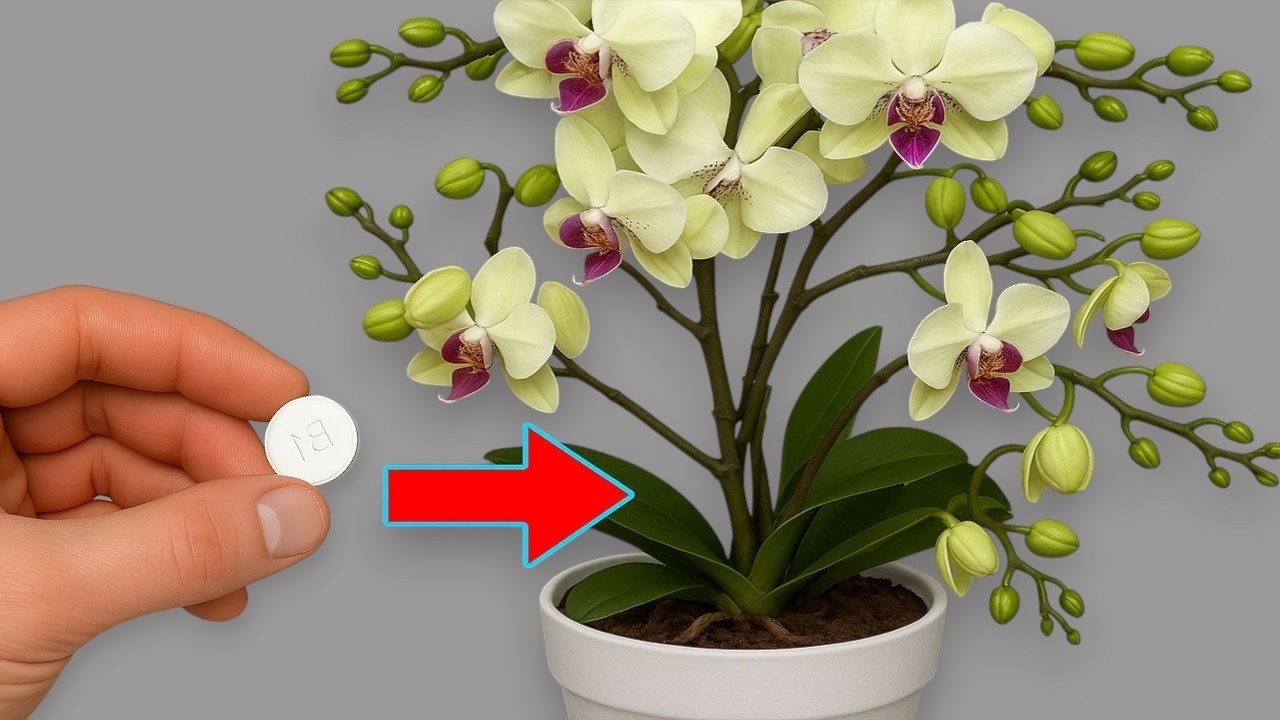
Unlock 100 Roots: How to Make Your Orchid Bloom All Year Round!
Unlocking the Secrets to Making Your Orchid Bloom All Year Round
- Understanding Orchids
- Optimal Care for Year-Round Blooms
- Common Mistakes to Avoid
- Frequently Asked Questions
Have you ever felt the frustration of nurturing your orchids, only to see them fall short of blooming? You may find yourself watering them regularly, adjusting light conditions, and yet, those beautiful flowers seem elusive. Understanding what it takes to make your orchids thrive can seem daunting. However, there are effective strategies that can encourage your orchids to bloom throughout the year. Explore these insights to give your plants the best chance at year-round beauty.
Understanding Orchids
To successfully make your orchids bloom all year round, it’s crucial to understand their unique needs and cravings. Orchids are not just any houseplant; they come from diverse environments and have specific requirements that must be met.
Types of Orchids
Different types of orchids have varying needs:
- Phalaenopsis: These are among the most popular and typically require less light.
- Cattleyas: Known for their vibrant blooms, they thrive in bright light.
- Dendrobiums: These love a balance of light and humidity.
Natural Habitat
Understanding the natural habitat of your orchids can help you replicate their environment:
- Most orchids thrive in warm temperatures between 65°F to 80°F (18°C to 27°C).
- They prefer high humidity levels; a humid environment can lead to healthier blooms.
- Orchids often grow in filtered light; direct sunlight can scorch their leaves.
Optimal Care for Year-Round Blooms
Providing your orchids with optimal care can significantly affect their blooming cycle. Here are essential steps to follow:
Watering Routine
Establishing a proper watering routine is vital:
- Test the moisture: Check the potting medium; it should be dry to the touch before watering.
- Water thoroughly: Ensure water drains adequately, preventing root rot.
- Use distilled water: This avoids mineral buildup in the potting mix.
Fertilizing for Growth
Regular fertilizing supports healthy growth and encourages blooms:
- Use a balanced orchid fertilizer every two weeks during the growing season.
- Reduce feeding during the dormant period—typically winter months.
- Consider a fertilizer with a higher phosphorus content to enhance blooming.
Light and Temperature Control
Light is essential for your orchids:
- Position wisely: Place your orchids near a window with filtered light.
- Adjust temperatures: Provide a slight temperature drop at night to encourage blooming.
- Avoid drafts: Keep your orchids safe from cold air and drastic temperature changes.
Common Mistakes to Avoid
Avoiding common pitfalls can set your orchids up for success. Here are key mistakes to steer clear of:
Overwatering
Giving your orchids too much water can harm them:
- Make sure to let the potting mix dry out between waterings.
- Avoid leaving your orchids in standing water.
Neglecting Light Needs
Insufficient or excessive light can prevent blooming:
- Pay attention to the light requirements specific to your orchid species.
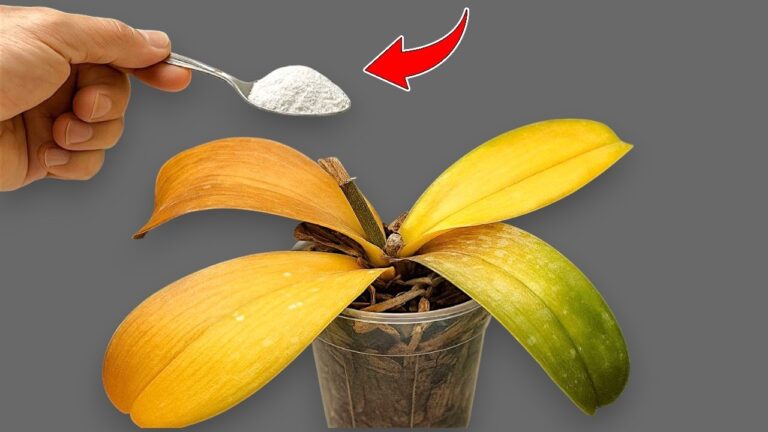
- Move your orchids if they show signs of light stress, like yellowing leaves.
Ignoring Potting Medium
A suitable potting medium is crucial for orchid health:
- Ensure proper drainage with a well-suited orchid potting mix.
- Repot every couple of years to refresh the medium and prevent compaction.
Frequently Asked Questions
How often should I water my orchids?
Watering once a week is common, but make sure to check the potting medium for moisture before watering.
What is the ideal temperature for orchids?
Orchids generally prefer temperatures between 65°F to 80°F during the day and slightly cooler at night.
Why isn’t my orchid blooming?
Poor light, improper watering, or not meeting temperature needs are common reasons your orchid may not bloom.
In summary, understanding the unique needs of your orchids, providing optimal care, and avoiding common mistakes can help your orchids flourish and bloom throughout the year. Have you had experiences with orchids that you’d like to share? Your tips could help others on their orchid journey!