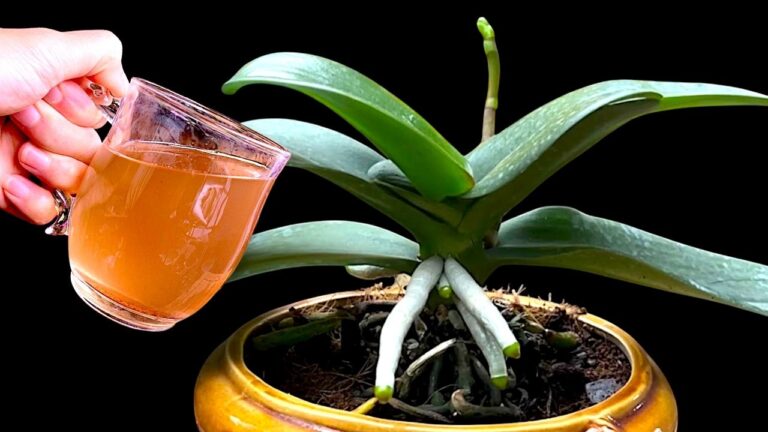

Transform Your Orchid: 10 Tips to Make It 100x Stronger Than Garlic!
Transform Your Orchid: 10 Essential Tips for Thriving Plants
- Introduction
- Creating the Perfect Environment for Your Orchid
- Essential Care Tips for Orchids
- Common Mistakes to Avoid When Caring for Orchids
- FAQ
- Conclusion
Introduction
Have you ever watched your beautiful orchid slowly lose its vibrant colors? It can be disheartening to see a plant that once flourished begin to wilt. This situation is all too common, and many people struggle with knowing how to rejuvenate their orchids. While it may seem challenging, with the right knowledge, you can transform your orchid into a thriving piece of living art. Let’s explore some effective tips for nurturing your orchids back to health.
Creating the Perfect Environment for Your Orchid
The first step in caring for your orchids is to understand their natural habitat. These plants thrive in specific conditions that you can replicate at home.
1. Choose the Right Location
- Identify areas in your home that receive bright, indirect sunlight.
- Avoid placing your orchid in direct sunlight, as this can scorch the leaves.
- Ensure proper air circulation around the plant for optimal growth.
2. Maintain Humidity
Orchids love humidity, which mimics their tropical origins. Here are some ways to keep them comfortable:
- Use a humidity tray filled with water and pebbles beneath the pot to increase moisture levels.
- Consider using a humidifier, especially in dry seasons.
- Group multiple plants together to create a micro-environment of humidity.
Essential Care Tips for Orchids
Once your orchids are in a suitable environment, focusing on their care is crucial. Here are key considerations to enhance their well-being.
3. Watering Wisely
Proper watering is vital. Here’s how to ensure you’re not over or under-watering:
- Check the top inch of the potting medium; if it’s dry, it’s time to water.
- Use room temperature water to avoid shocking the roots.
- Avoid letting your orchid sit in water, as this can lead to root rot.
4. Fertilize Appropriately
Feeding your orchids will provide the nutrients they need to bloom beautifully:
- Utilize a balanced orchid fertilizer every 2-4 weeks during the growing season.
- Dilute the fertilizer to half-strength to prevent over-fertilization.
- Monitor plant response to adjust feeding frequency and strength.
5. Pruning and Repotting
Regular pruning and repotting contribute to a healthy orchid:
- Trim dead or yellowing leaves to promote better growth.
- Repot every 1-2 years using an orchid-specific potting mix.
- Avoid repotting immediately after blooming; wait until after the blooming cycle.
Common Mistakes to Avoid When Caring for Orchids
- Overwatering is one of the most common issues; ensure the potting medium dries out between waterings.
- Ignoring signs of pests, such as webbing or discoloration, can lead to severe infestations.
- Using regular houseplant soil instead of orchid potting mix can choke roots.
- Neglecting to clean leaves can hinder photosynthesis; gently wipe leaves with a damp cloth.
- Forgetting to acclimatize plants to new locations may cause shock; introduce changes slowly.
FAQ
How often should I water my orchid? Water your orchid when the top inch of the potting medium feels dry, typically every 1-2 weeks depending on humidity.
Can orchids bloom more than once a year? Yes, many orchids can rebloom multiple times a year with proper care and conditions.
What type of light do orchids need? Orchids prefer bright, indirect sunlight; direct sunlight can harm their leaves.
Conclusion
With the right care and environment, your orchid can thrive and bloom beautifully. Being aware of common mistakes can help you avoid setbacks. What are some of your favorite tips for keeping plants healthy? Share your thoughts in the comments!