Unlock 100 Orchid Blooms: One Simple Tip for Year-Round Growth!
Unlock 100 Orchid Blooms: One Simple Tip for Year-Round Growth!
- Understanding Orchid Requirements
- Providing Optimal Light
- Watering Techniques for Orchids
- Common Mistakes to Avoid
- Frequently Asked Questions
Many orchid lovers find themselves perplexed when their beautiful plants fail to bloom as expected. You may have nurtured your orchids with care, providing them with the right fertilizers and potting materials. Yet, your flowers are sparse, and the vibrant displays you imagined seem just out of reach. Understanding the key factors that influence orchid growth might be the missing piece. Here’s what you need to know to make the most of your orchids.
Understanding Orchid Requirements
Before diving into specific techniques, it’s essential to grasp the unique needs of orchids. These plants thrive in conditions that mimic their natural habitats, which often include warm, humid environments and well-draining potting mixes.
1. Ideal Temperature Range
Orchids generally prefer temperatures between 65°F to 75°F during the day and about 10 degrees cooler at night. Sudden temperature fluctuations can stress the plant, impacting its blooming capability.
2. Humidity Levels
Maintaining a humidity level of around 50% to 70% is crucial for healthy growth. You may consider using a humidifier or placing a tray of water near your orchids to enhance humidity. Additionally, misting the leaves periodically can help.
3. Potting and Drainage
Use a well-draining medium, such as bark or sphagnum moss, to prevent root rot. Make sure your pots have adequate holes for drainage, ensuring that water doesn’t accumulate. This helps create a suitable environment for your orchids to thrive.
Providing Optimal Light
One of the most critical factors in encouraging orchards to bloom is providing them with adequate light. Finding the right balance can make all the difference in their growth.
1. Type of Light
Orchids do best in bright, indirect light. Direct sunlight can scorch their leaves, while too little light leads to weak growth and fewer blooms. Consider placing your orchids near a north or east-facing window for moderate light exposure.
2. Artificial Lighting Options
If natural light is limited, you can use grow lights to supplement. LED grow lights are energy-efficient and can be positioned to provide the necessary spectrum of light without heating up your orchids excessively.
3. Observing Leaf Color
Keep an eye on your orchids’ leaves. Dark green leaves may indicate insufficient light, while yellowing leaves can suggest they are receiving too much light. Adjust their placement accordingly to encourage optimal growth.
Watering Techniques for Orchids
Improper watering is a common issue that can hinder orchid growth and blooming. Understanding the right practices can help ensure your orchids thrive.
1. Watering Frequency
Water your orchids every 1 to 3 weeks, depending on the ambient conditions. Allow the potting medium to dry out slightly between waterings. Overwatering can lead to root rot, while underwatering can stress your plant.
2. Water Quality
Use distilled or rainwater to avoid chlorine and other chemicals typically found in tap water. These can affect your orchid’s health. If using tap water, let it sit overnight to allow chlorine to dissipate.
3. Watering Technique
When watering, soak the roots and let excess water drain away. If you notice water accumulating in the pot’s bottom, be sure to dump it out to prevent root suffocation.
Common Mistakes to Avoid
Even seasoned growers can make mistakes when caring for orchids. Here are some common pitfalls to watch out for.
1. Overwatering
This is perhaps the most frequent mistake. Always check the medium’s moisture level before adding more water to your orchids.
2. Neglecting Humidity
Low humidity can lead to stressed plants. Ensure that your orchids have a humidifier or a pebble tray nearby to keep humidity levels optimal.
3. Inadequate Light
Placing orchids in too little or too much sunlight can significantly affect blooming. Regularly assess their light conditions and make adjustments as necessary.
Frequently Asked Questions
How often should I fertilize my orchids?
Fertilize your orchids every 2 to 4 weeks during the growing season using a balanced orchid fertilizer diluted to half strength. This will provide essential nutrients without overwhelming the plants.
Why are my orchid leaves turning yellow?
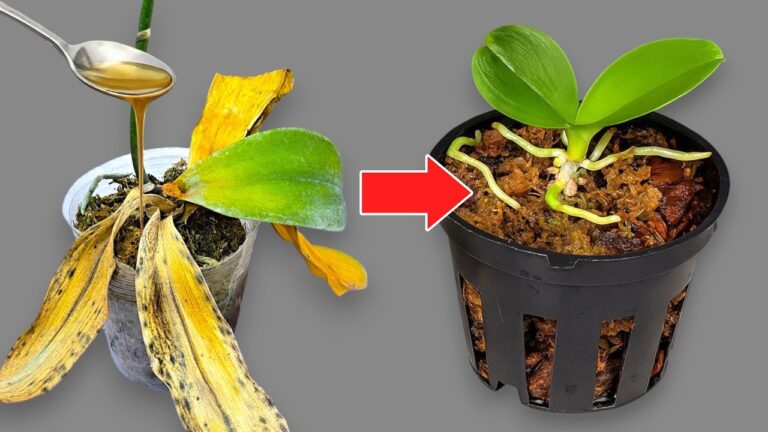
Yellowing leaves can indicate that your orchid is getting too much light or water. Examine both watering habits and light exposure to address this issue.
When do orchids typically bloom?
Orchids can bloom at different times depending on the species, but many bloom once a year, often in late winter or early spring, when the conditions are just right.
Understanding and addressing the needs of your orchids can significantly increase your chances of achieving that stunning display of blooms you desire. What challenges have you faced in your orchid care journey? Your experiences could help others in the community.