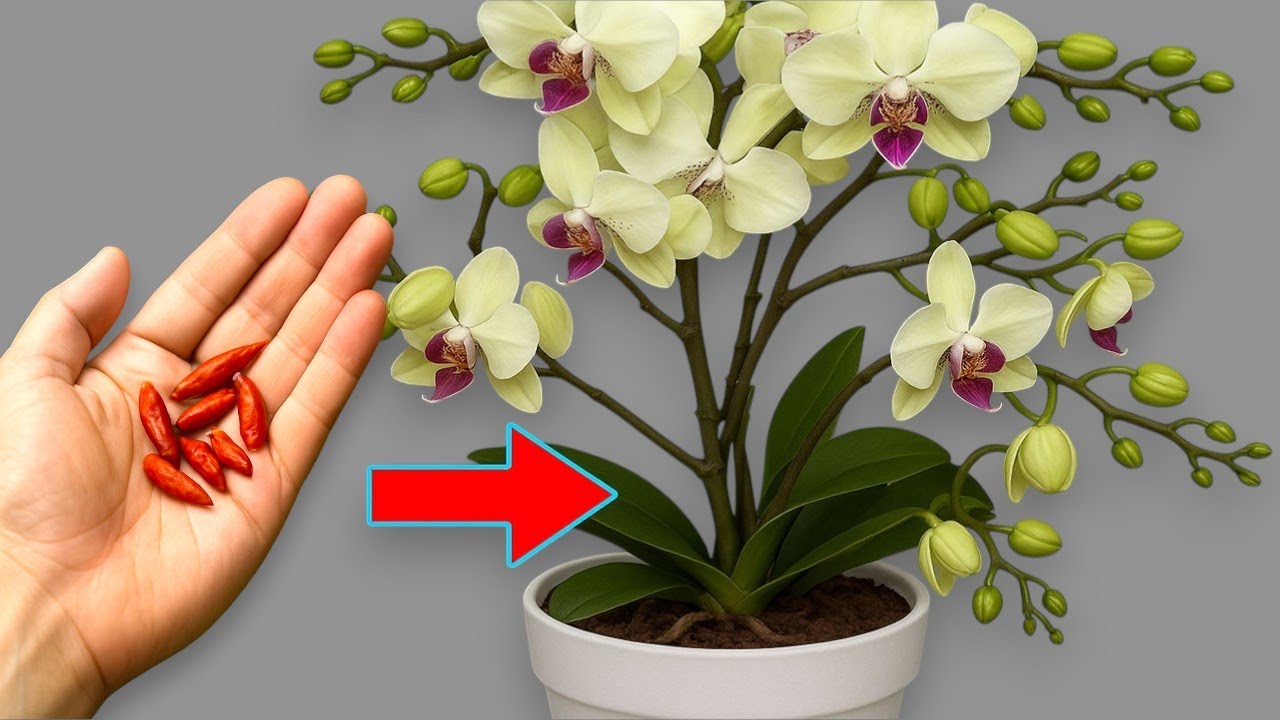
100 Orchid Roots: The Secret to Year-Round Blooms You Need to Try!
100 Orchid Roots: The Secret to Year-Round Blooms You Need to Try
Introduction
Picture your living space adorned with vibrant, blooming orchids that transform the ambiance into a lush haven. Yet, so often, these beautiful plants fail to thrive or produce those stunning blooms year-round. Many enthusiasts struggle with understanding what orchids truly need, especially when it comes to their roots. Gaining a deeper understanding can change your entire approach to orchid care. Read on to discover essential insights and tips to help your orchids flourish.
Understanding Orchid Roots
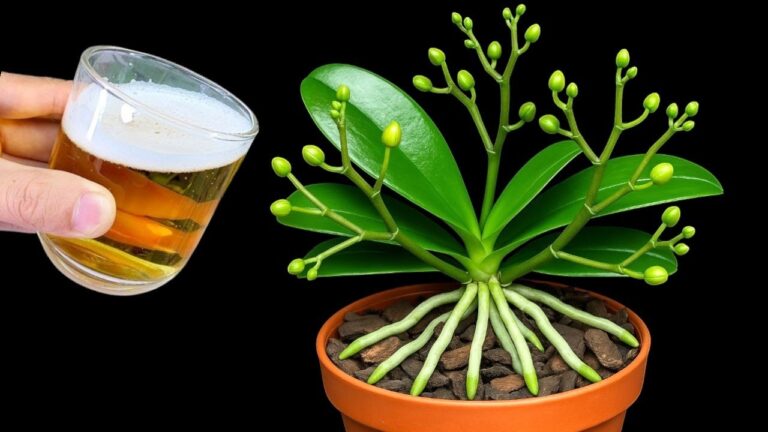
Diving into orchid care begins with recognizing the unique characteristics of orchid roots. Unlike many other plants, these roots have adapted beautifully to their environments.
Types of Orchid Roots
Orchid roots can be categorized into two main types:
- Air roots: These roots absorb moisture and nutrients from the air and should remain exposed.
- Substrate roots: These roots grow into the growing medium or potting mix, drawing nutrients from it.
The Importance of Healthy Roots
Healthy roots are crucial for your orchids since they are responsible for nutrient uptake and water absorption. When roots are strong, the entire plant flourishes, resulting in more blooms over time.
Visual Signs of Root Health
Look for specific signs indicating root health:
- Roots should be green and firm. Brown or mushy roots can indicate rot.
- Air roots should be silver or green, signaling they are healthy and functioning properly.
Care Tips for Orchid Roots
Taking care of your orchids’ roots requires some specific practices. Here are some essential tips to ensure vibrant, year-round blooms.
Choosing the Right Potting Medium
Orchids thrive best in a potting mix that allows for proper drainage. Common choices include:
- Pine bark to provide good aeration.
- Coconut husk for moisture retention.
- Perlite or charcoal to enhance drainage.
Watering Guidelines
Understanding when and how to water is vital for root health:
- Check moisture: Always check the potting medium before watering. Let it dry slightly between waterings.
- Watering method: Water thoroughly, allowing excess to drain out. Avoid allowing roots to sit in standing water.
- Humidity levels: Orchids prefer humidity levels of 40% to 70%. Increasing humidity around them can promote root growth.
Light and Temperature Needs
Orchids enjoy bright, indirect light. Too much direct sunlight can scorch their leaves, affecting the roots. For temperature:
- Daytime temperatures should range between 70°F to 85°F.
- Night temperatures can be cooler, ideally around 60°F to 70°F.
Common Mistakes
As with any gardening endeavor, learning from mistakes can lead to better outcomes. Here are some common pitfalls when caring for orchid roots:
Overwatering
One of the most frequent mistakes is overwatering, which can lead to root rot. Ensure to let the potting medium dry between waterings.
Ignoring Light Requirements
Many orchid owners either place their plants in too much direct sunlight or too little light, both of which can harm root health and overall growth.
Neglecting Fertilization
Skimping on fertilizer can prevent your orchids from getting the nutrients needed for healthy roots. Use a balanced orchid fertilizer during the growing season for best results.
FAQ
How often should I water my orchids?
Typically, water your orchids every 1-2 weeks, allowing the potting mix to dry slightly between waterings. Factors like temperature and humidity can affect this frequency.
What should the potting medium for orchids be?
Orchids thrive in a mix that provides excellent drainage. Suitable ingredients include bark, coconut husk, and perlite.
How do I know if my orchid roots are healthy?
Healthy roots should be green and pliable. If you notice brown, mushy roots, it’s a sign of rot that requires immediate attention.
Conclusion
By understanding orchid roots and how to care for them, you can create an environment that encourages consistent blooming. Paying attention to their needs and avoiding common mistakes will help your plants thrive. What tips have you found most helpful in your orchid care journey?