This simple method transforms kitchen scraps into thriving ginger plants …
This Simple Method Transforms Kitchen Scraps into Thriving Ginger Plants
Growing Ginger from Kitchen Scraps
Are you looking for a rewarding gardening project that also helps reduce kitchen waste? Growing **ginger** from scraps is not only easy but incredibly satisfying. In just a few steps, you can transform old ginger roots into vibrant, green plants right in your home. Ready to get started? Let’s dive in!
Step-by-Step Instructions
1. Gather Your Materials
To kick things off, you will need:
- Old **ginger roots**
- A plastic bottle or container
- Water
- A sunny spot in your home or garden
2. Prepare the Ginger
Choose **fresh ginger rhizomes** with visible eyes or nodes. These are the spots where new shoots will emerge. Use a sharp knife to cut the ginger into smaller pieces, ensuring each piece has at least one eye.
3. Set Up Your Water Container
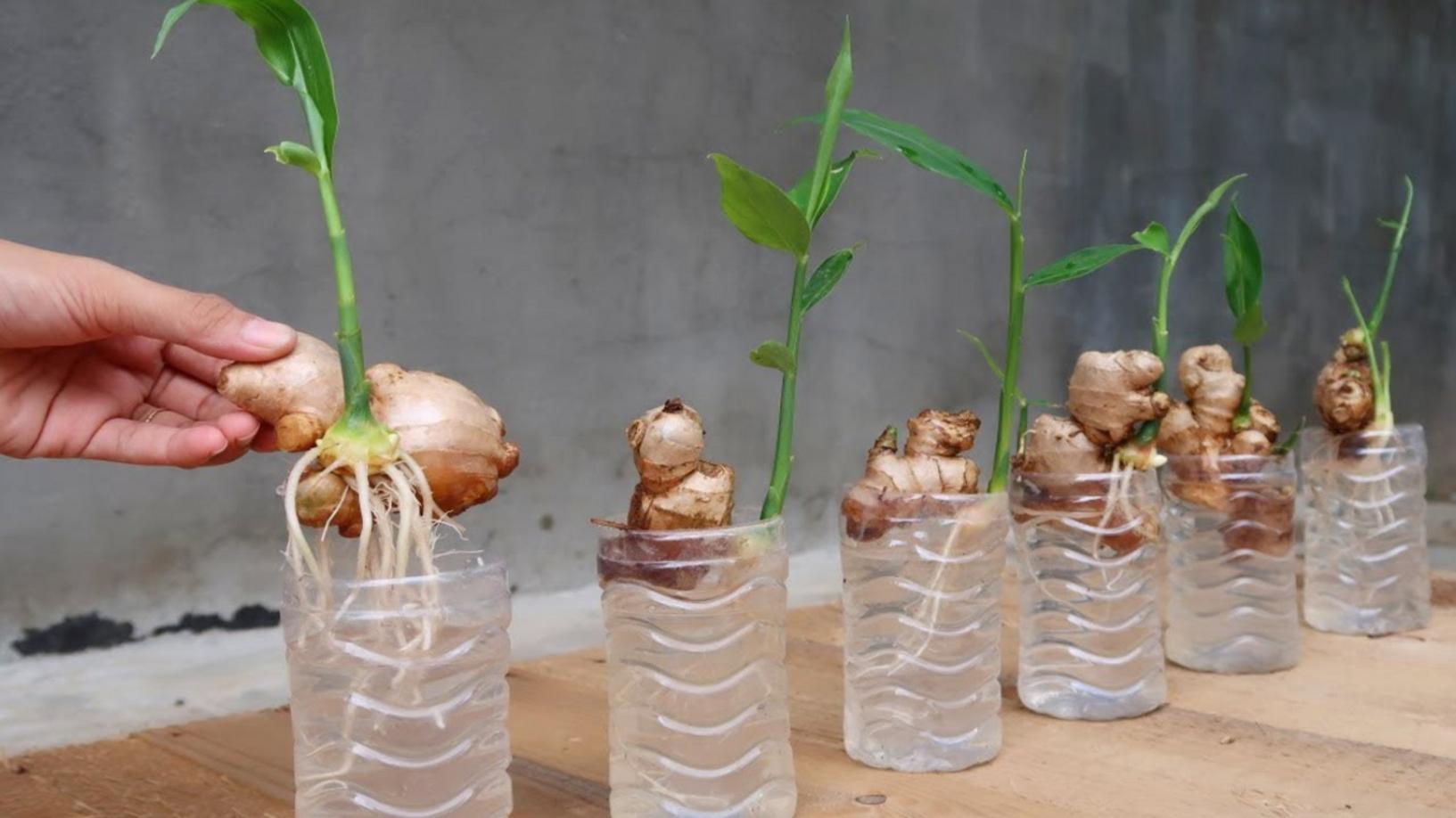
Cut the plastic bottle to create a container for your ginger. Fill it with water, ensuring it’s deep enough to submerge the ginger pieces. Place the cut ginger into the water with the eyes facing up.
4. Wait for Roots to Form
Keep your ginger container in a **bright, warm location**. In about a week, you should see roots starting to develop. This is a sign that your ginger is happy and ready for the next step!
5. Transplanting into Soil
Once the roots are about 2-3 inches long, it’s time to move your ginger to soil. Choose a pot with good drainage and fill it with a mix of potting soil and compost. Place the rooted ginger in the soil, ensuring the eyes are just above the surface.
Practical Tips for Success
- Water Consistently: Ginger loves moisture, but avoid soggy soil. Water regularly, allowing the top inch of soil to dry out between sessions.
- Provide Warmth: Ginger thrives in warm conditions. If you’re in a cooler climate, consider bringing the pot indoors during cold spells.
- Fertilize Monthly: Use a balanced fertilizer to nourish your ginger plant as it grows. This will encourage strong roots and healthy growth.
Common Mistakes to Avoid
- Using Old or Spoiled Ginger: Ensure your ginger is fresh. Old or decayed pieces won’t sprout.
- Overwatering: Too much water can cause root rot. Make sure your container has proper drainage.
- Ignoring Light Requirements: Ginger needs plenty of indirect sunlight. Avoid placing it in harsh direct sunlight to prevent leaf burn.
Conclusion: Start Your Ginger Journey Today!
Transforming **kitchen scraps** into thriving ginger plants is a rewarding and eco-friendly project. With just a few simple steps, you can enjoy the beauty of growing your own herbs at home. So, grab some old ginger roots, follow these steps, and watch as your garden flourishes. Don’t forget to share your progress and connect with fellow gardening enthusiasts. Happy planting!