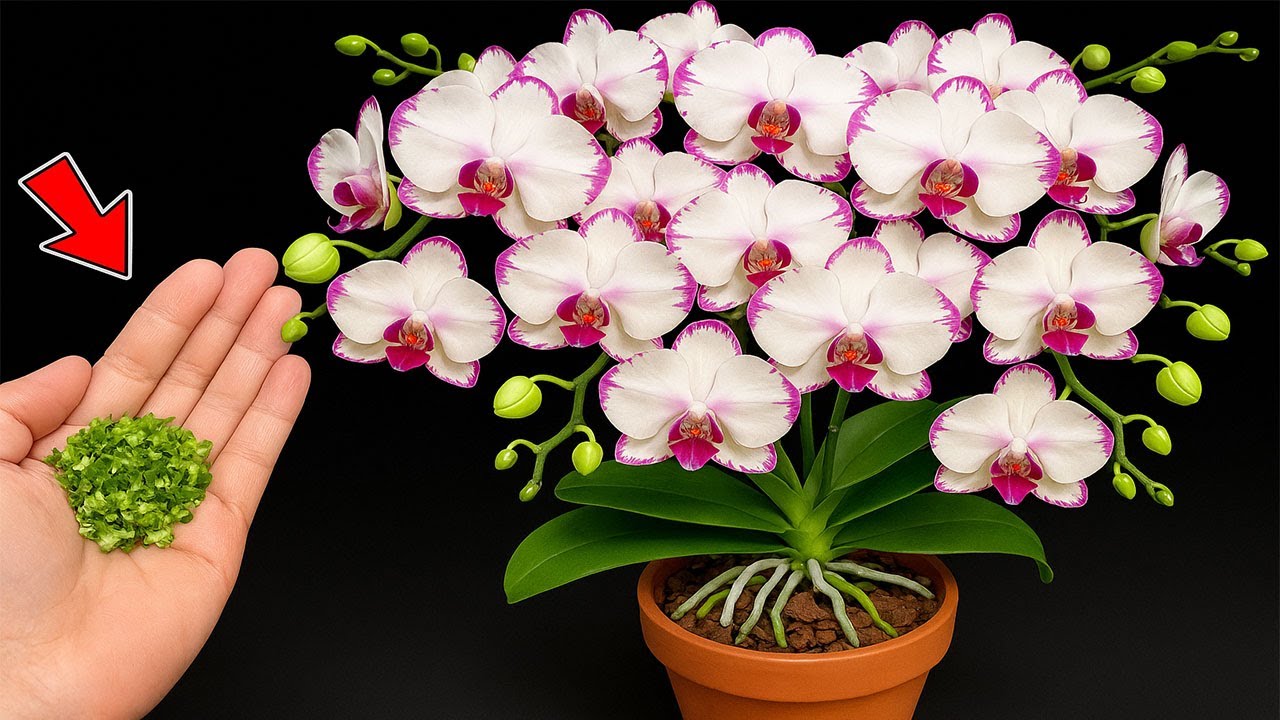
Transform Your Space: 5 Tips for Year-Round Orchid Blooms!
5 Tips for Year-Round Orchid Blooms
- Introduction
- Creating the Ideal Environment
- Proper Watering Techniques
- Providing the Right Light
- Common Mistakes to Avoid
- FAQ
- Conclusion
Introduction
Picture this: you’ve nurtured your beautiful orchids, but the blooms seem to vanish before your eyes. It can be disheartening to see these exquisite plants lose their flowers. Perhaps you’ve tried various methods, yet the vibrant colors remain elusive. You want your orchids to bloom consistently throughout the year. Let’s delve into the essential steps that can help you achieve this beautiful goal.
Creating the Ideal Environment
To ensure your orchids thrive and bloom all year round, first consider their environment. Orchids have specific needs, and adjusting their surroundings can profoundly impact their flowering potential.
Temperature Control
Orchids flourish in specific temperature ranges. During the day, aim for a temperature of 75–85°F, and at night, allow it to drop to around 60–70°F. This difference encourages blooming.
Humidity Levels
Orchids prefer humidity levels between 40–70%. You can increase humidity by:
- Using a pebble tray filled with water underneath the orchid pots.
- Grouping plants together to create a micro-habitat.
- Using a humidifier during dry seasons.
Proper Watering Techniques
Watering is vital for keeping your orchids healthy and promoting blooms. However, overwatering can be detrimental.
Frequency of Watering
On average, water your orchids every 7–10 days. The frequency may vary based on your environment, so always check the potting medium. Ensure it dries out slightly between waterings.
Water Quality
Use distilled or rainwater whenever possible. Tap water often contains chemicals that can harm your orchids over time. If using tap water, allow it to sit out for 24 hours to dissipate chlorine before watering.
Providing the Right Light
Light is crucial for blooming. Understanding the light requirements of your specific type of orchid ensures they bloom beautifully.
Natural Light Sources
Most orchids thrive in bright, indirect light. South or east-facing windows often provide the best lighting conditions. If direct sunlight causes leaf burn, consider using sheer curtains to diffuse the light.
Supplemental Lighting
If natural light is scarce, especially during winter, consider using grow lights. Position them about 12–18 inches above the plant and keep them on for about 12–14 hours daily.
Common Mistakes to Avoid
While nurturing orchids, it’s easy to fall into certain traps that hinder their growth and blooming potential. Here are some common mistakes to steer clear of:
Overwatering
One of the most frequent issues is overwatering, which can lead to root rot. Always ensure your potting medium dries adequately between waterings.
Neglecting Repotting
Orchids need to be repotted every 1–2 years. Old potting mediums can break down and retain too much moisture, preventing healthy root growth.
Ignoring Seasonal Changes
Orchids may require different care throughout the seasons. Adjusting temperatures and watering schedules according to seasonal changes will help maintain their blooming cycle.
FAQ
How often should I fertilize my orchids?
Fertilizing every 2–4 weeks during the growing season is ideal. Use a balanced orchid fertilizer to support healthy blooms.
Can I use regular potting soil for orchids?
No, orchids require a specific potting medium that allows for proper drainage and air circulation. Consider using a special orchid mix.
What should I do if my orchid doesn’t bloom?
Ensure it’s getting enough light, the right temperature, and proper watering. Sometimes it may need more time to rest before blooming again.
Conclusion
By creating the right environment, mastering proper watering techniques, and providing adequate light, your orchids can thrive and bloom throughout the year. What strategies have you found most effective for keeping your orchids blooming? Share your experiences in the comments below!