7 Tips for Growing Chayote on Your Balcony – Unlock Your Urban Gardening Success!
7 Tips for Growing Chayote on Your Balcony
- Introduction
- Choosing the Right Containers
- Creating Ideal Growing Conditions
- Effective Planting Techniques
- Care and Maintenance Tips
- Common Mistakes to Avoid
- FAQ
- Conclusion
Introduction
If you’ve dreamed of growing your own food but only have a small balcony to work with, you’re certainly not alone. Urban spaces can feel limiting, yet many gardeners find joy in cultivating their own vegetables in confined areas. One plant that thrives in such conditions is chayote, a versatile and nutritious vegetable. If you’re curious about how to incorporate chayote into your urban gardening setup, keep reading for practical tips to help you succeed.
Choosing the Right Containers
Container choice plays a crucial role in the growth of your chayote. Here are some essentials to consider:
1. Size Matters
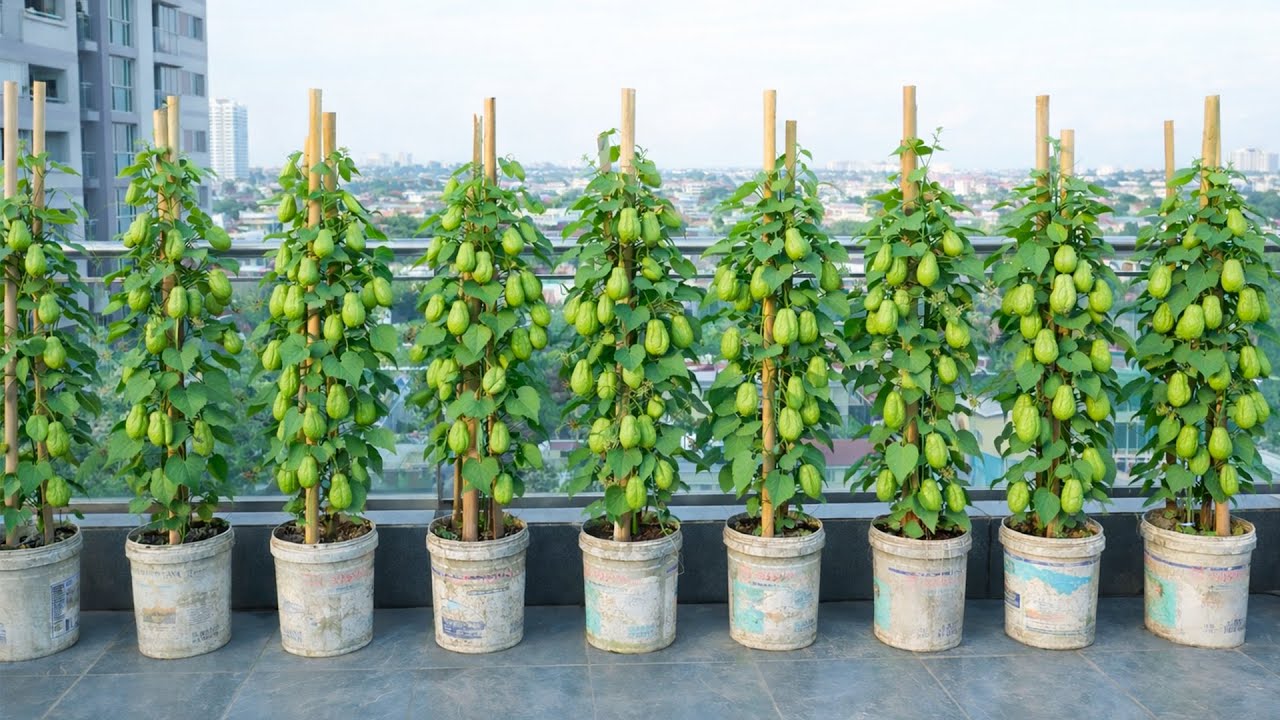
- The minimum container size for chayote is about 5 gallons. This provides enough space for roots to grow.
- Consider using larger containers to improve drainage and allow for healthier growth.
2. Material Considerations
- Plastic pots are lightweight and often retain moisture well.
- Clay pots help with aeration but can dry out quicker, so monitor moisture levels closely.
3. Drainage is Key
Make sure your containers have proper drainage holes to prevent root rot. You can also elevate pots slightly to enhance drainage.
Creating Ideal Growing Conditions
Chayote prefers specific conditions to flourish. Here are ways to create the perfect environment:
1. Sunlight Requirements
Chayote needs at least 6 to 8 hours of direct sunlight daily. Position your containers accordingly to maximize exposure.
2. Soil Composition
- Use a rich, well-draining soil mix. A blend of potting soil, compost, and perlite works wonders.
- Consider adding organic fertilizer to boost nutrients in the soil.
3. Watering Needs
Water your chayote regularly to keep the soil moist but not soggy. A good rule of thumb is to check the soil’s top inch; if it feels dry, it’s time to water.
Effective Planting Techniques
Getting your chayote planted successfully is key to healthy growth. Follow these guidelines:
1. Preparing the Seeds
Choose a healthy chayote from the store. Allow it to sprout before planting by placing it in a shallow dish of water.
2. Planting Process
- Once sprouts appear, plant the chayote in your prepared container, burying it about 3 inches deep.
- Water it lightly after planting to encourage root establishment.
3. Adding Support Structures
As the chayote grows, it requires support. Use trellises or stakes to provide stability, especially as it starts to vine.
Care and Maintenance Tips
Routine care can help you nurture your chayote plants effectively. Here are some important tips:
1. Fertilization
- Feed your plants every 4 to 6 weeks with a balanced, organic fertilizer.
- Consider using compost tea as a natural booster for growth.
2. Pest Management
Keep an eye out for pests such as aphids and spider mites. Hand-picking or using neem oil can be effective ways to control these. Always take precautionary measures to avoid infestations.
3. Harvesting
Chayote is typically ready to harvest in 120 to 150 days. Pick the fruits when they’re young and firm for the best flavor and quality.
Common Mistakes to Avoid
While growing chayote is rewarding, there are common pitfalls to watch out for:
- Overwatering: This can lead to root rot. Always check the soil moisture before watering.
- Poor Light Conditions: Lack of sunlight can hinder growth. Make sure your plants get enough light.
- Ignoring Fertilization: Without regular feeding, plants can become weak and yield lower results.
- Neglecting Support: Failing to provide proper support can damage the plants as they grow.
FAQ
What is the best time of year to plant chayote?
Chayote is best planted in the spring after the last frost to ensure optimal growth.
How much water does chayote need?
Chayote requires regular watering to keep the soil consistently moist, especially during hot weather.
Can I grow chayote in smaller pots?
While it’s possible, smaller pots can restrict growth and yield; larger containers are recommended for best results.
Conclusion
By following these tips for growing chayote on your balcony, you’ll help ensure a bountiful harvest. What challenges have you faced in your balcony gardening journey? Share your experiences in the comments below!