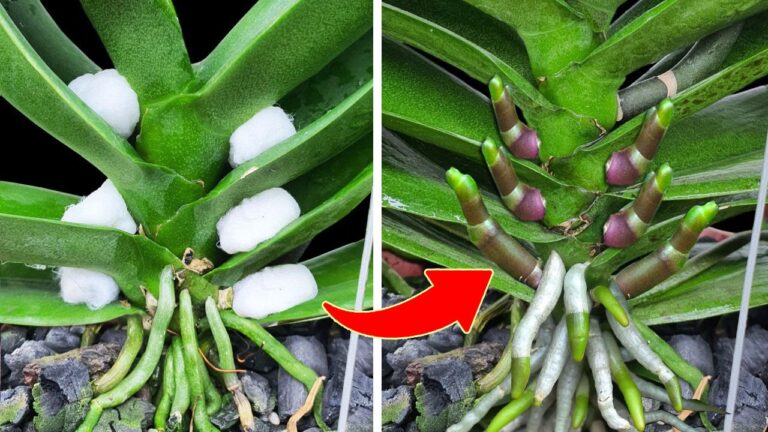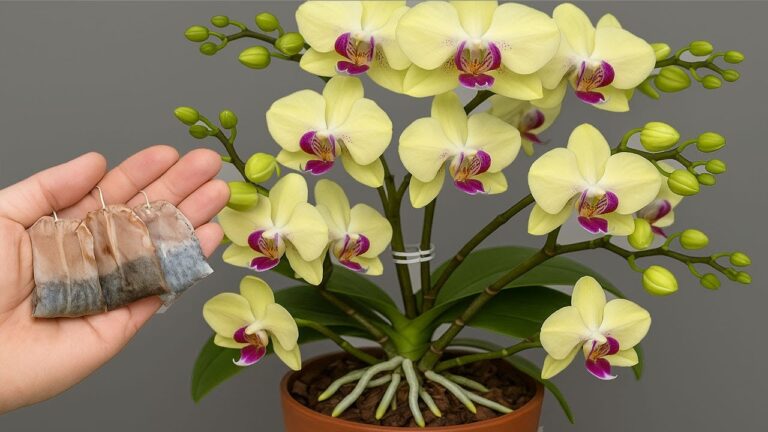

1 Spoon Weekly for 1001 New Orchid Roots and Flowers Instantly!
How to Grow Your Orchid Roots and Flowers Effectively
Orchids can often be a source of frustration for many plant lovers. You may find yourself wondering why your orchid isn’t blooming or how to encourage healthy root growth. The unique needs of these beautiful plants can be puzzling, leading to uncertainty about their care. Yet, nurturing these exquisite flowers can be incredibly rewarding with the right information. Let’s delve deeper to discover how you can enhance your orchid’s growth and blooms.
Understanding Your Orchid’s Needs
To cultivate healthy orchids, it’s essential to understand their specific requirements. Orchids thrive in environments that cater to their natural habitat, which often includes humidity and proper light exposure.
1. Light Requirements
Choosing the right spot in your home for your orchids is crucial. Orchids prefer bright, indirect light. Here are some tips:
- Identify the light source: Place your orchids near an east or west-facing window.
- Avoid harsh sunlight: Excessive direct sunlight can scorch the leaves.
2. Humidity and Temperature
Humidity plays a significant role in orchid health. Here’s how to create an ideal environment:
- If your home is dry, consider using a humidifier or placing a tray of water near your orchids.
- Maintain a temperature range of 65°F to 75°F (18°C to 24°C), which is ideal for most orchid varieties.
Optimal Care Tips for Orchids
Once you understand your orchids’ needs, it’s time to implement some care strategies to encourage robust growth and flowering.
1. Watering Guidelines
Improper watering can lead to orchid decline. Follow these steps:
- Check the medium: Water your orchid when the potting material feels dry to the touch.
- Water thoroughly: Allow water to drain out from the bottom of the pot; this helps prevent root rot.
2. Fertilization
Using the right fertilizer helps support growth and flowering:
- Fertilize every two to four weeks during the growing season, usually spring and summer, with a balanced orchid fertilizer.
- Reduce fertilization during the dormant winter period.
3. Repotting Process
Repotting your orchid can refresh the growing medium. Here’s how:
- Choose the right time: Repot after blooming, typically every one to two years.
- Use appropriate medium: Choose a bark or sphagnum moss mix that offers good drainage.
Common Mistakes to Avoid
Even experienced gardeners can make errors when caring for orchids. By being aware of common pitfalls, you can enhance your success with these beautiful plants.
1. Overwatering
One of the leading causes of orchid failure is overwatering. Ensure your potting medium dries out between watering sessions.
2. Inadequate Light
Insufficient light can result in weak growth and poor flowering. Always monitor your orchids to ensure they are receiving the right light levels.
3. Neglecting to Fertilize
Orchids require nutrients to thrive. Skipping fertilization can lead to nutrient deficiencies and stunted growth.
FAQ
Q: How often should I water my orchids?
A: Depending on the environment, most orchids need watering once every 1-2 weeks. Check the potting medium to guide you.
Q: Why aren’t my orchids flowering?
A: Factors like inadequate light, incorrect watering, or lack of nutrients could hinder flowering.
Q: When should I repot my orchid?
A: Ideally, repot after blooming, generally every 1 to 2 years, to refresh the medium and encourage growth.
In summary, understanding your orchids’ specific needs while providing optimal care is essential for boosting growth and blooming. What challenges have you faced while caring for your orchids? Share your experiences in the comments below!