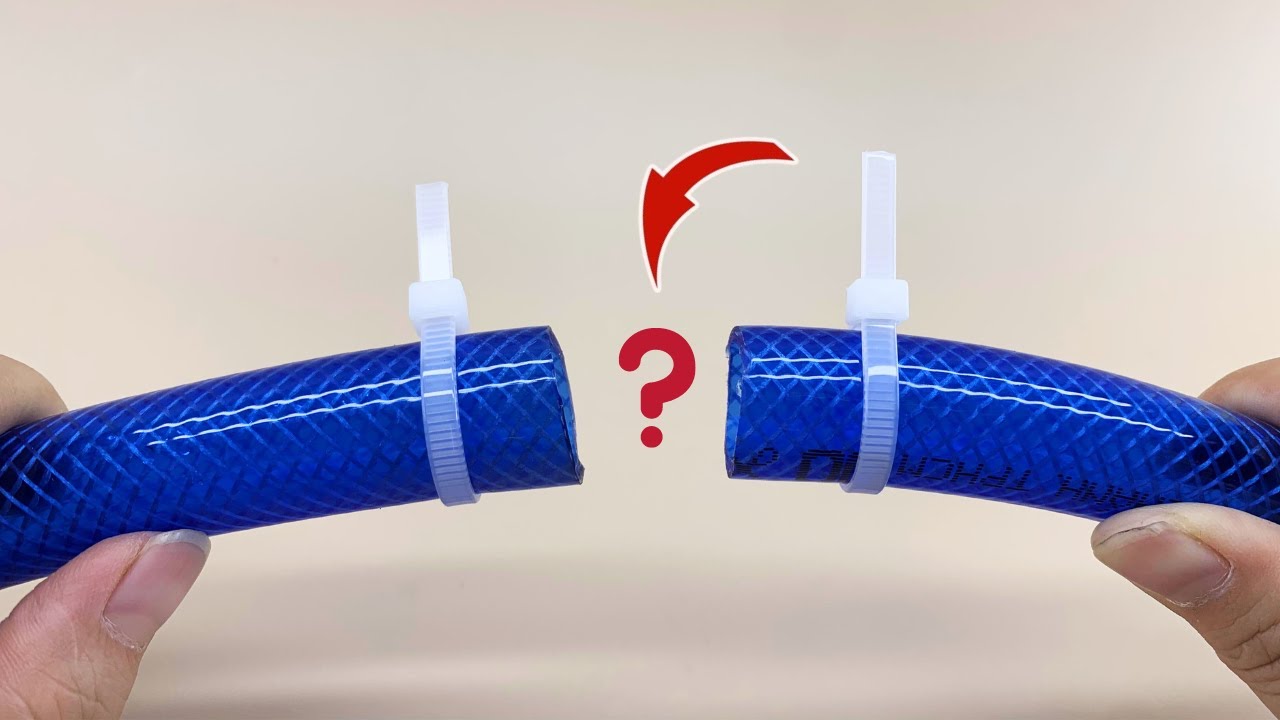
Join Two Hoses in 5 Simple Steps Without Buying an Expensive Adapter!
Join Two Hoses in 5 Simple Steps Without Buying an Expensive Adapter
Introduction
Have you ever found yourself in the middle of a garden project, only to realize that your hose isn’t long enough to reach the desired area? This situation can be frustrating, especially when you’re eager to water those new plants or wash down the patio. Instead of purchasing an expensive adapter, there are clever ways to join your hoses effectively. Explore these straightforward techniques that can make your garden maintenance easier and more efficient.
Required Materials
Before you begin your project, gather the necessary materials to ensure a smooth process. Here’s what you’ll need:
- Two garden hoses
- A pair of hose connectors
- Clamps (optional, for a secure fit)
- Scissors or a utility knife
Step-by-Step Guide
Follow these five steps to easily connect two hoses without an adapter:
- Cut the end of each hose: Using scissors or a utility knife, ensure that the ends of both hoses are cleanly cut and free of damage.
- Attach hose connectors: Slide one end of each hose into the connectors until they fit snugly.
- Secure with clamps: If you are using clamps, position them over the hose connectors and tighten them to prevent leaks.
- Check for leaks: Turn on the water supply and inspect the connection for any dripping or leaking. Adjust as necessary.
- Enjoy your extended reach: Now that your hoses are connected, you can easily water your garden without any fuss!
Practical Tips for a Successful Connection
- Ensure that the hose diameters match for a seamless connection.
- Check that the connectors are compatible with your hose model.
Alternative Connection Methods
If you find that connectors aren’t available, consider these alternatives:
- Using duct tape to secure the ends of the hoses together, though this may not be as durable.
- Using a short piece of tubing as a bridge between the two hoses for added stability.
Common Mistakes
When trying to connect two hoses, avoid these typical pitfalls:
- Not checking for compatibility: Ensure the connectors and hoses fit snugly.
- Forgetting to secure the connection: Loose fittings can lead to leaks.
- Using damaged hoses: Always inspect your hoses before making the connection.
FAQ
What if my hose connectors don’t fit?
Consider purchasing adjustable connectors that can accommodate various hose sizes. Alternatively, using duct tape for temporary solutions might help.
Can I connect hoses of different diameters?
It’s best to use hoses of the same diameter for a reliable connection. If necessary, look for specialized adapters designed for mismatched sizes.
How can I prevent leaks in my hose connections?
Ensure that all fittings are tight and secure. Regularly inspect hoses and connectors for wear and replace them as needed.
Conclusion
Connecting two hoses without an expensive adapter is not only possible but also straightforward. With a few simple steps and materials, you can extend your gardening reach effortlessly. What techniques have you used to manage hose connections, and have they proven to be effective? Share your thoughts in the comments below!