7 Surprising Ways Vaseline Can Transform Your Sink Clean-Up Effort
7 Unexpected Ways to Use Vaseline for Effortless Sink Clean-Up
- Introduction
- Preparing Your Sink for Cleaning
- Using Vaseline on Faucets and Handles
- Preventing Stains in Your Sink
- Common Mistakes to Avoid
- FAQ
- Conclusion
Introduction
Have you ever stared down at the grimy buildup in your sink, wondering how it got there? Cleaning can often feel like an uphill battle, especially with the residues that just refuse to budge. While regular cleaners can help, there’s a household staple that can completely transform your approach: Vaseline. Here are several ways you can incorporate Vaseline into your sink clean-up routine that will make the whole process smoother and more effective.
Preparing Your Sink for Cleaning
Before diving into the cleaning process, it’s essential to get your sink ready. Proper preparation can make your clean-up much more efficient.
1. Gather Your Supplies
- Collect necessary items: Vaseline, a soft cloth, a sponge, and your preferred sink cleaner.
- Remove any items in and around the sink, including dishes, soap bottles, and sponges.
- Rinse the sink briefly with hot water to loosen any stuck debris.
2. Inspect Your Sink
Take a moment to look over your sink. Are there water spots, rust, or other stains that need special attention? Knowing the condition helps you decide how to best use Vaseline in your cleaning routine.
Using Vaseline on Faucets and Handles
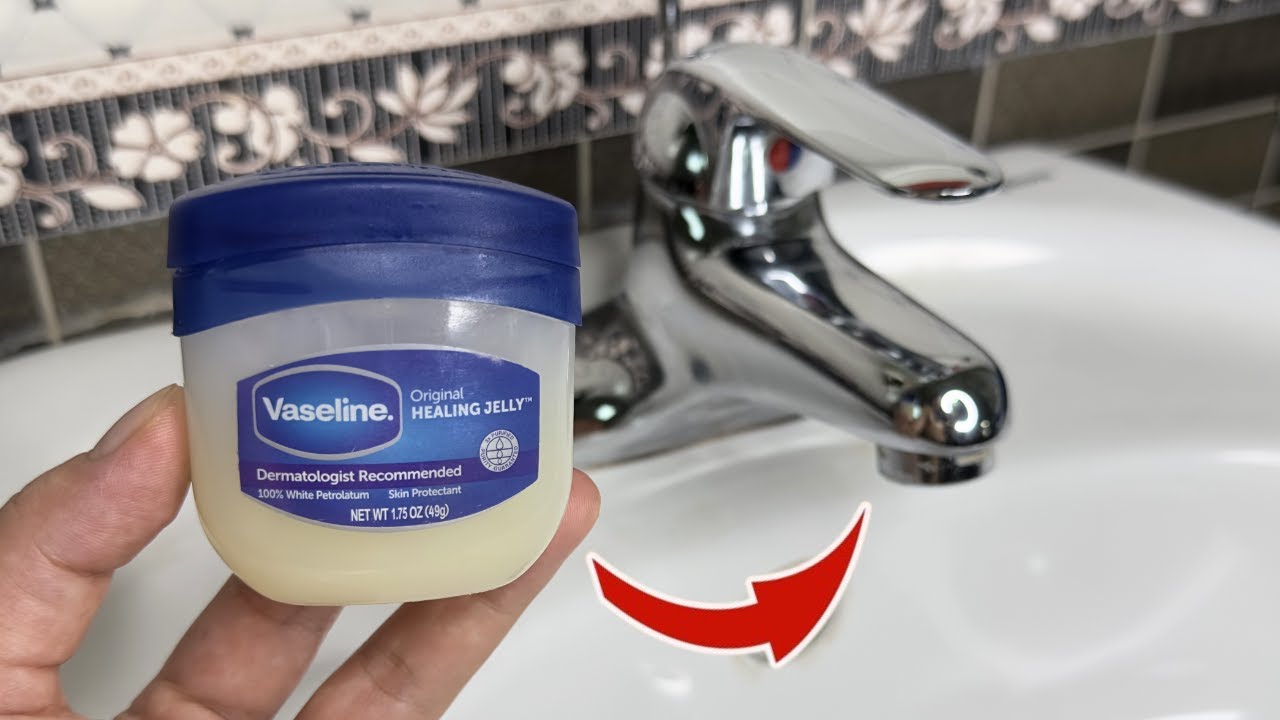
Your sink’s faucet and handles often get neglected in the cleaning process, but they play a significant role in how your sink looks overall. Vaseline can provide both shine and protection.
1. Apply Vaseline for Shine
To give your faucets a polished look, follow these steps:
- Take a small amount of Vaseline on a clean cloth.
- Rub it onto the faucet and handles, covering all areas.
- Buff with a clean side of the cloth to bring out the shine.
2. Protect Against Water Spots
Vaseline can also be used to help prevent those pesky water spots from forming:
- Coat the faucets lightly with Vaseline.
- Focus on any areas prone to spotting.
- Wipe away any excess with a dry cloth.
Preventing Stains in Your Sink
Keeping your sink free of stains is vital in maintaining its overall appearance and cleanliness. Using Vaseline strategically can help.
1. Create a Barrier
Applying a thin layer of Vaseline inside your sink can help repel staining agents:
- Spread a thin layer across the bottom and sides of the sink.
- Allow it to sit for a few minutes to form a protective barrier.
- Wipe clean the sink with a damp sponge before using.
2. Regular Maintenance
To maintain your sink’s appearance over time:
- Reapply Vaseline every few weeks, especially in high-use kitchens.
- Clean the sink regularly with gentle soap to avoid buildup.
- Check for any stubborn stains that may develop and handle them promptly.
Common Mistakes to Avoid
To maximize the effectiveness of Vaseline in your clean-up efforts, be aware of these common pitfalls.
- Ignoring stubborn stains before applying Vaseline can lead to ineffective cleaning.
- Over-Applying Vaseline can create residue that attracts more dirt, so use it sparingly.
- Forgeting to regularly maintain your sink can lead to deeper stains and more work later.
FAQ
Can I use Vaseline on all types of sinks?
Vaseline is generally safe for use on stainless steel and porcelain sinks, but it’s best to avoid using it on composite or specially finished surfaces unless specified by the manufacturer.
How often should I use Vaseline on my sink?
Applying Vaseline every few weeks can help maintain a clean and shiny sink. Adjust the frequency based on usage and stains.
Is Vaseline effective for draining clogs?
No, Vaseline is not a solution for drains. It’s used for maintenance and stain prevention, but it doesn’t tackle plumbing issues.
Conclusion
Using Vaseline in your sink cleaning routine can provide both shine and long-lasting protection against stains. By following the right steps and avoiding common mistakes, you can enjoy a cleaner sink with less effort. What are your favorite cleaning hacks? Share your tips in the comments below!