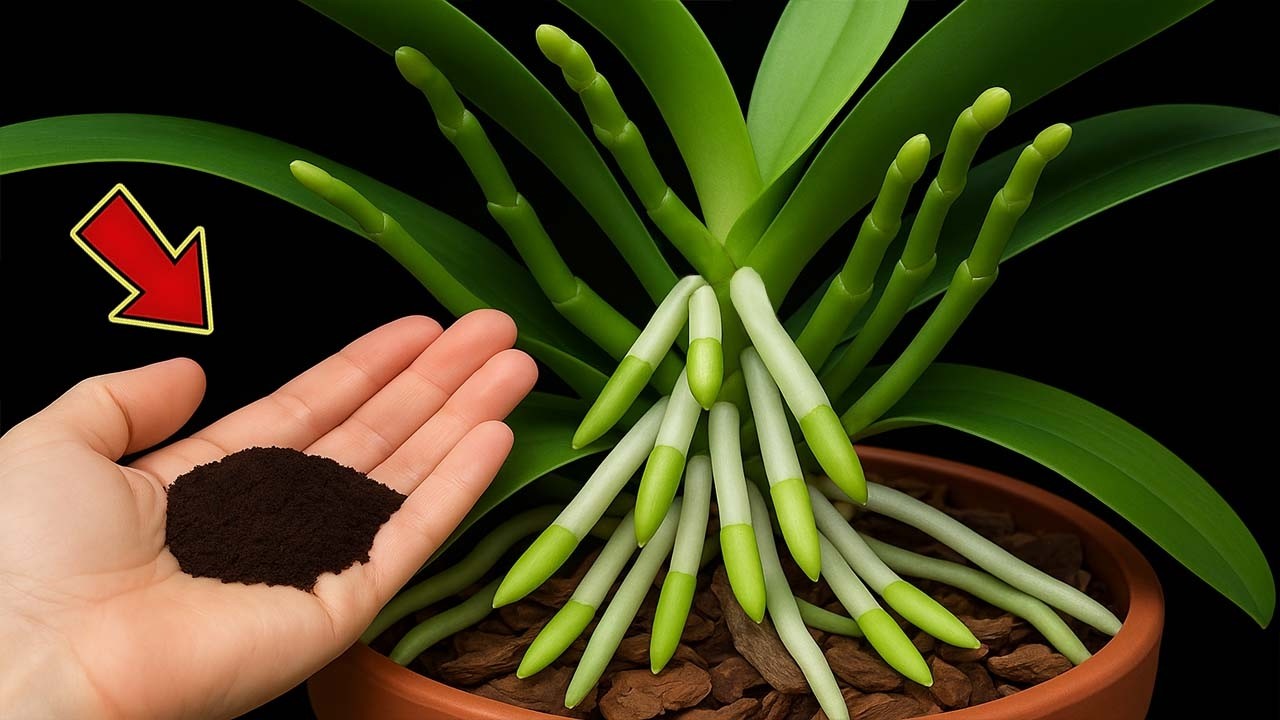
10 Easy Tips to Make Your Orchids Bloom All Year Round!
10 Essential Tips to Make Your Orchids Bloom All Year Round
- Understanding Orchid Needs
- Right Light Cultivation
- Proper Watering Techniques
- Common Mistakes to Avoid
- FAQ
Understanding Orchid Needs
Orchids can be stunning additions to your home, but they can also be quite challenging to care for. If you find yourself frustrated by your orchid’s lack of blooms, you’re not alone. Many enthusiasts struggle with knowing exactly how to meet their orchids’ specific needs. Understanding the fundamentals of orchid care is the first step toward encouraging these beautiful plants to flourish and bloom throughout the year. Let’s explore some key insights into what your orchids require to thrive.
1. Nutritional Requirements
Orchids need a balanced fertilizer for healthy growth. Look for a fertilizer high in phosphorus, which supports blooming. You can apply it every two weeks during the growing season:
- Choose a balanced orchid fertilizer.
- Dilute it to half strength during application.
- Feed your plants every two weeks, adjusting based on their response.
2. Choosing the Right Potting Medium
The medium you choose can significantly affect your orchid’s health. Orchids thrive in pots that allow excellent drainage. Use a mix that retains some moisture but also permits airflow, such as:
- Bark chips
- Sphagnum moss
- Pearlite
Right Light Cultivation
Light is crucial for your orchids’ blooming patterns. Different orchids have varied light requirements, so pinpointing the right amount will optimize their growth. Here are a few tips for managing light effectively:
1. Assessing Indoor Light
Observe the light direction in your home. Orchids generally prefer:
- Bright, indirect sunlight.
- East or south-facing windows for optimal light exposure.
2. Using Grow Lights
If natural light is limited, consider using artificial grow lights. These should complement natural daylight hours:
- Install LED grow lights for a balanced spectrum.
- Schedule light exposure for 12 to 14 hours a day.
Proper Watering Techniques
One of the most critical aspects of orchid care is how you water your plants. Overwatering or underwatering can lead to poor growth and loss of blooms. Follow these principles to master watering:
1. Checking Moisture Levels
Always check the potting medium before watering. Use your finger to assess moisture. Always remember:
- Water only when the top inch of media feels dry.
- Orchids prefer less frequent but thorough watering.
2. Watering Technique
When you do water, use a method that effectively hydrates your orchids without causing rot:
- Water the orchid deeply until water drains from the bottom.
- Ensure the pot has good drainage holes.
Common Mistakes to Avoid
Even with the best intentions, we can make mistakes that hinder our orchids’ blooming potential. Here are some common pitfalls to be mindful of:
Mistake 1: Overwatering
Too much water can lead to root rot. Ensure your potting medium and drainage are suitable to prevent this.
Mistake 2: Lack of Humidity
Orchids enjoy humidity. Make sure to mist your plants or use a humidity tray to maintain appropriate moisture levels in the air around them.
Mistake 3: Ignoring Temperature Changes
Orchids thrive in a stable temperature environment. Avoid placing them near heating vents or air conditioning units, which can cause stress.
FAQ
Q: How often should I repot my orchids?
A: Typically, you should repot your orchids every 1-2 years or when the potting medium breaks down.
Q: Why is my orchid not blooming?
A: Lack of light, improper watering, or insufficient nutrients could be reasons. Assess these factors for optimal care.
Q: Can I keep my orchid outside in summer?
A: Yes, but ensure they are protected from direct sunlight and temperature extremes.
Conclusion
By understanding your orchids’ needs, providing the right light, and watering correctly, you can enjoy vibrant blooms all year round. What strategies have you used to help your orchids thrive? Share your experiences in the comments below!