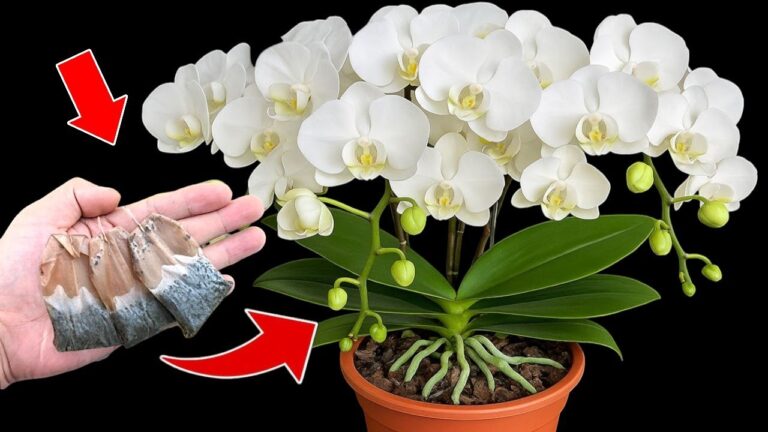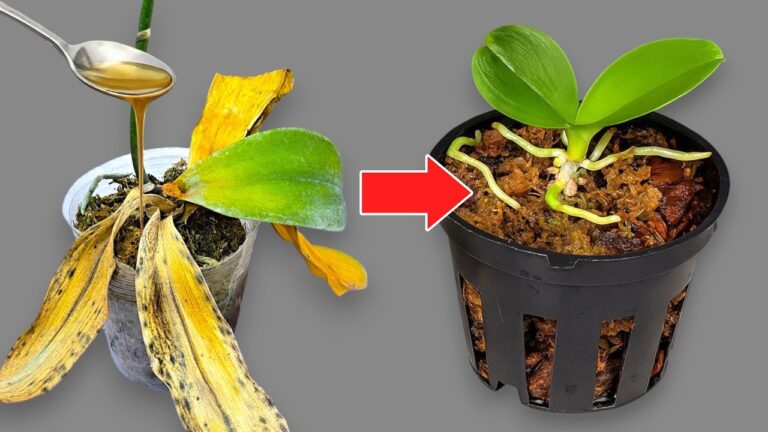
Boost Your Orchids: 1 Simple Pour for Hundreds of Blooms and Healthy Roots!
Boost Your Orchids: One Simple Pour for Abundant Blooms and Healthy Roots
- Understanding Orchid Needs
- Preparing the Nutrient Solution
- Applying the Solution
- Common Mistakes
- Frequently Asked Questions
Understanding Orchid Needs
Orchids are beautiful and intricate plants, yet many enthusiasts struggle to keep them flourishing. It can be disheartening when your orchids fail to bloom or when their leaves start to yellow. Understanding the essentials for their care is the first step in nurturing these stunning flowers. Fostering a healthy growing environment will result in vibrant blooms and robust roots. Keep reading to discover the straightforward method to enhance their health.
Preparing the Nutrient Solution
The key to boosting your orchids lies in providing them with the right nutrients. A simple liquid nutrient solution is often sufficient for meeting their needs.
Essential Ingredients
- 1 tablespoon of liquid orchid fertilizer
- 2 cups of water
- 1 tablespoon of Epsom salts (magnesium sulfate)
Mixing Instructions
Creating your nutrient solution is simple:
- Combine the orchid fertilizer and Epsom salts in the water.
- Stir gently until completely dissolved.
- Let the solution sit for a few hours to aerate, ensuring it’s well-mixed.
Benefits of the Nutrient Solution
This solution provides essential nutrients that orchids absorb effectively. It provides them not only with the necessary minerals but also aids in enhancing blooming and root development. Once prepared, you can confidently apply it to your orchids to nourish them in the way they crave.
Applying the Solution
Now that your nutrient solution is ready, it’s time to nourish your orchids properly.
Frequency of Application
Applying the solution every two weeks during the growing season can yield impressive results. Keeping a consistent feeding schedule encourages your orchids to thrive.
Application Steps
- Water your orchids with plain water before applying the nutrient solution. This helps in preventing root burn.
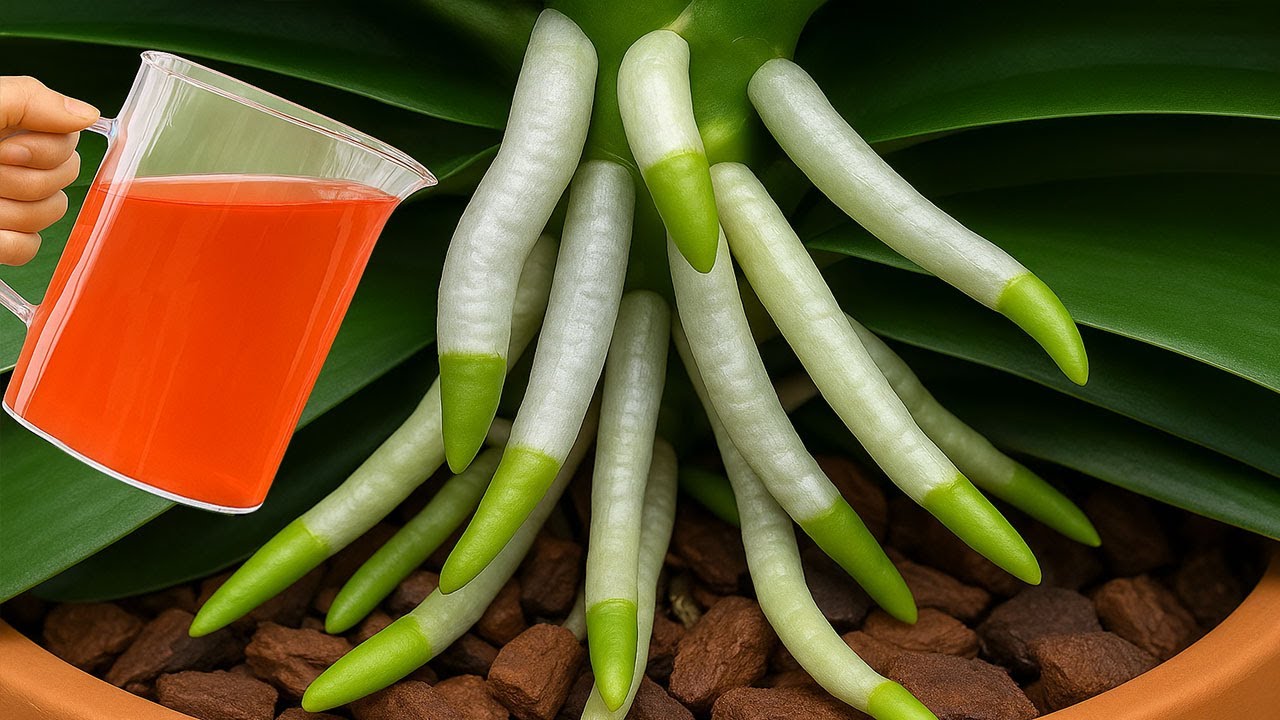
- Pour one cup of nutrient solution around the base of the plant, avoiding the leaves and blooms.
- Allow the excess solution to drain thoroughly to prevent stagnant water in the pot.
Observing Changes
After several applications, pay close attention to how your orchids react. You’ll likely see robust roots developing and an increase in the number of blossoms. This improvement is a great sign that your plants are receiving the nourishment they need.
Common Mistakes
Overwatering
One of the most frequent mistakes is overwatering. Orchids prefer to dry out between waterings. Ensure your pot has good drainage to avoid excess moisture.
Using the Wrong Fertilizer
Another common error is using regular houseplant fertilizer. Orchids require specific nutrients, so always choose a formula designed for them.
Neglecting Light Requirements
Orchids need bright, indirect light. Placing them in too dim or direct sunlight can adversely affect their growth.
Ignoring Temperature and Humidity
Orchids thrive in warm environments with high humidity. Maintaining the right climate can often be overlooked but is crucial for their prosperity.
Frequently Asked Questions
How often should I water my orchids?
Water your orchids every 1 to 2 weeks, allowing the potting medium to dry out slightly between waterings. Adjust based on humidity and temperature levels in your home.
Can I use tap water for my orchids?
Yes, you can use tap water, but it’s best to let it sit for 24 hours to allow chlorine to dissipate, ensuring it’s gentler on your plants.
What should I do if my orchids don’t bloom?
Check their light, water, and nutrient needs. Ensure they are receiving adequate care and consider adjusting their environment to stimulate blooming.
Conclusion
By preparing a simple nutrient solution and applying it regularly, you can support your orchids in producing abundant blooms and establishing healthy roots. Have you tried any special care techniques with your orchids? Share your experiences in the comments below!