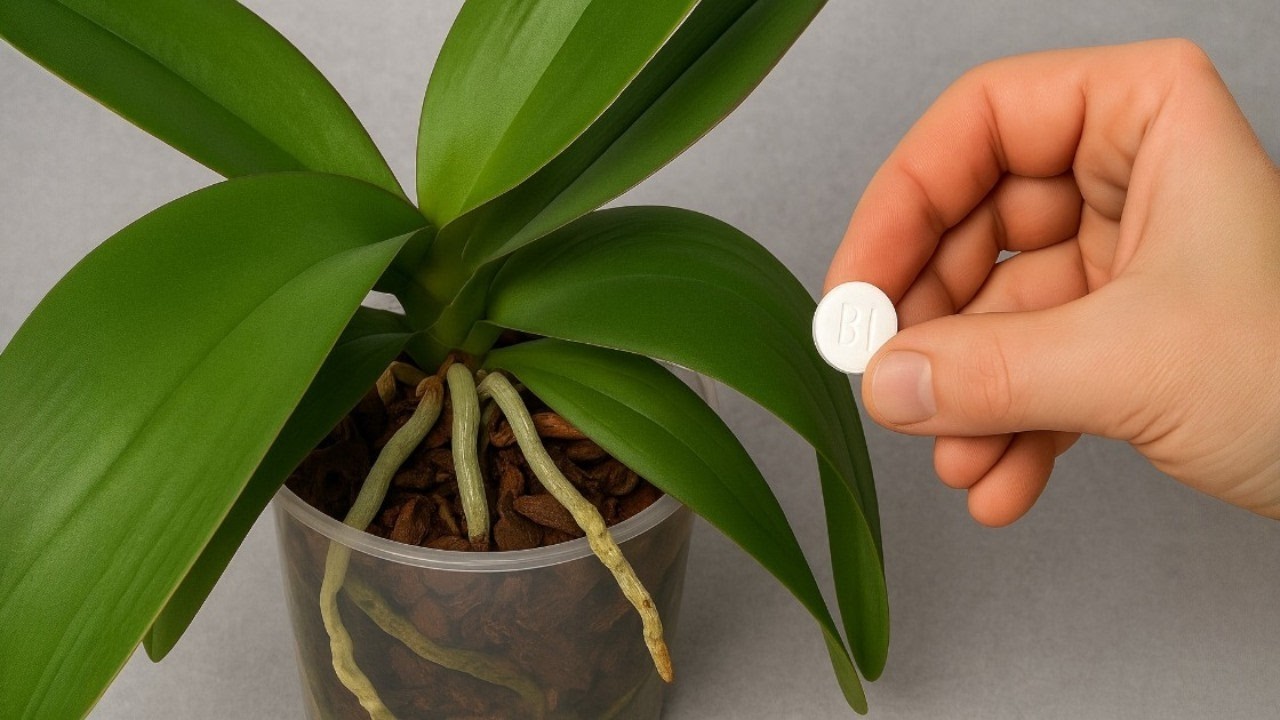
Boost Orchid Growth by 200%: 5 Secrets for Year-Round Blooms! 🌸
5 Secrets to Boost Orchid Growth for Year-Round Blooms
- Understanding Orchid Needs
- Optimal Lighting for Orchids
- Watering Techniques for Orchids
- Common Mistakes to Avoid in Orchid Care
- FAQ
Have you ever struggled to keep your orchids blooming and healthy? You follow care guides but still find your beautiful plants lacking vibrancy or consistency in blooms. Understanding what your orchids require can turn your struggles into triumphs, allowing you to enjoy these stunning flowers year-round. Let’s explore five essential secrets to boost orchid growth and keep those flowers blossoming beautifully in your home.
Understanding Orchid Needs
Before diving into specific care techniques, it’s crucial to grasp the fundamental requirements of orchids. These lovely plants have unique preferences that differ from more common houseplants.
1. Soil Type
Orchids thrive in well-draining mixes that mimic their natural habitat. Most prefer a blend of bark, perlite, and sphagnum moss. This structure helps facilitate proper aeration while retaining moisture.
2. Temperature Range
These plants enjoy a temperature range that fluctuates between 65°F (18°C) at night and 75°F (24°C) during the day. Keeping them within this range helps promote healthy growth and blooming.
3. Humidity Levels
A humidity level of around 50-70% is ideal. Consider placing a humidifier nearby or using pebble trays to maintain moisture in the air.
Optimal Lighting for Orchids
Light is one of the most essential factors in orchid care. Understanding how to provide the right amount is key to ensuring robust plants.
1. Natural Lighting
Most orchids require bright, indirect sunlight. A south or east-facing window is often perfect, allowing light to filter through sheer curtains. Direct sunlight can scorch their leaves, so be cautious.
2. Artificial Lighting
If natural light is limited, consider using fluorescent or LED grow lights. These can help supplement light during shorter days or cloudy seasons.
3. Monitoring Light Levels
Use a light meter or simply observe your orchids. If their leaves become yellow or scorched, they might be receiving too much light. Dark green leaves, on the other hand, can indicate a need for more sunlight.
Watering Techniques for Orchids
Proper watering techniques impact orchid health significantly. Too much or too little can lead to root rot or dehydration.
1. Assessing Water Needs
Orchids typically need to be watered every 1-2 weeks, depending on the environment. A good rule of thumb is to wait until the top inch of the potting mix is dry before watering.
2. Watering Methods
When watering, ensure water runs through the drainage holes in the pot. Avoid letting the plant sit in standing water, which can cause root damage.
3. Water Quality
Use filtered or rainwater when possible. Tap water’s chemicals can build up in the soil and hinder growth.
Common Mistakes to Avoid in Orchid Care
Even seasoned orchid enthusiasts can overlook essential details. Here are common pitfalls to steer clear of.
1. Overwatering
One of the most frequent mistakes is overwatering. Ensure that your orchids are in pots with proper drainage and adjust your watering schedule to avoid soggy roots.
2. Ignoring Pests
Pests such as mealybugs or aphids can damage your orchids. Regularly inspect your plants for signs of infestations and treat them promptly.
3. Inconsistent Care
Orchids thrive on a consistent care routine. Make it a habit to check their conditions weekly to ensure they’re receiving the right light, water, and nutrients.
FAQ
What is the best potting mix for orchids? A combination of bark, perlite, and sphagnum moss is ideal as it allows good drainage and airflow to the roots.
How often should I feed my orchids? Fertilize your orchids about once a month with a balanced fertilizer suitable for orchids to encourage growth and blooming.
Can I grow orchids indoors year-round? Yes, many orchids can thrive indoors year-round if provided with the right light, temperature, and humidity levels.
By understanding the unique needs of your orchids, providing optimal lighting, and ensuring proper watering techniques, you can create a thriving environment for your plants. Have you encountered any challenges with your orchids? Feel free to share your experiences and tips in the comments!