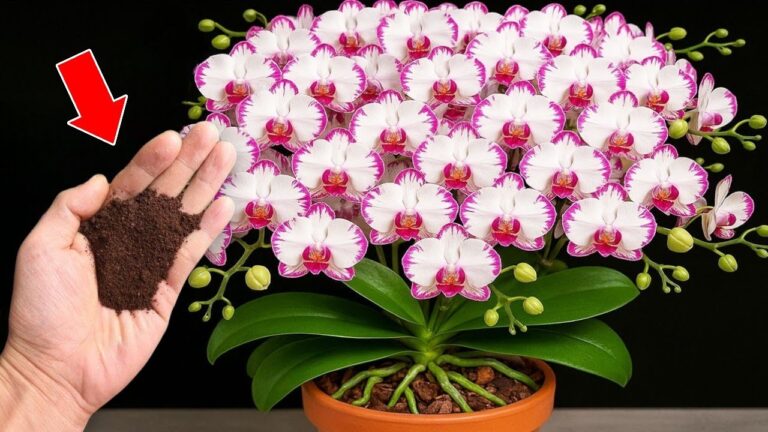
Discover 1 Secret to Make Your Orchid Bloom with 100 Roots Year-Round! 🌸
How to Make Your Orchid Bloom with 100 Roots Year-Round
Understanding Orchids
Owning an orchid can be a rewarding experience, yet many people find themselves perplexed when their beloved plant fails to bloom. The secret often lies in understanding the unique needs of orchids. These beautiful flowers, which vary greatly in species and care requirements, thrive in specific conditions that mimic their native habitats. Instead of highlighting just one secret, let’s explore how you can create an ideal environment for your orchids to flourish, encouraging them to bloom continuously throughout the year.
Essential Care Tips for Orchids
To encourage prolific growth and blooming in your orchids, focusing on optimal care practices is essential. Here are some tips to ensure your orchids are healthy and ready to bloom:
1. Providing the Right Light
- Identify the type of orchid you own, as light requirements can vary.
- Place your orchid near a window that receives bright, indirect sunlight.
- Monitor your plant’s response to light; if the leaves turn yellow, it may be getting too much light.
2. Ideal Watering Techniques
Watering is crucial for your orchid’s health. Here are some guidelines to follow:
- Check the potting medium; it should dry out partially between waterings.
- Use room temperature water, and ensure drainage holes are clear.
- A general rule is to water every 1-2 weeks, depending on humidity and temperature.
3. Nutrients and Fertilizers
Your orchids will benefit from a balanced fertilizer:
- Use a fertilizer specifically designed for orchids, typically with a ratio of 30-10-10.
- Fertilize every month during the growing season, and reduce feeding during the winter.
4. Temperature and Humidity
Orchids thrive in specific temperature ranges:
- Maintain a daytime temperature of 75-85°F and a nighttime temperature of 60-70°F.
- Humidity levels should ideally be between 50-70%; consider using a humidifier if needed.
Common Mistakes to Avoid
Even the most dedicated orchid caretakers can make mistakes. Here are common pitfalls to avoid to ensure your orchid blooms beautifully:
- Overwatering can lead to root rot; always allow the top part of the medium to dry first.
- Insufficient light is another reason orchids fail to bloom; assess your plant’s location.
- Ignoring pests can harm your plant; regularly inspect for signs of infestation.
- Not repotting every couple of years can cause growth issues; use fresh potting medium.
FAQ
What type of light do orchids need?
Most orchids thrive in bright, indirect sunlight. Direct sunlight can scorch their leaves.
How often should I water my orchids?
Water your orchids every 1-2 weeks, allowing the potting medium to dry out partially between waterings.
Why isn’t my orchid blooming?
Factors like insufficient light or improper watering can prevent orchids from blooming. Assess your care routine to identify any issues.
Conclusion
By focusing on the specific needs of your orchids, you can create an environment where they thrive, promoting lush growth and stunning blooms. Assess your care techniques and let us know your experiences with orchids in the comments below.