Discover 3 Simple Steps to Propagate Orchids Using Just One Potato!
Propagate Orchids: A Simple Guide Using Just One Potato
- Introduction
- Understanding Orchid Propagation
- Required Materials
- Step-by-Step Process
- Common Mistakes to Avoid
- FAQ
- Conclusion
Introduction
If you’ve ever admired the delicate beauty of orchids, you might have wondered how to spread that elegance throughout your home. Whether you have a green thumb or are just starting out, propagating orchids can feel daunting, especially if you’re unsure where to begin. The process might seem complicated, but with the right technique, you can turn an everyday potato into a helpful tool for your propagation efforts. Continue reading to explore this unique approach!
Understanding Orchid Propagation
Orchid propagation is the method of creating new plants from existing ones. Knowing the basics will make the task easier and more rewarding.
Why Propagate Orchids?
By propagating orchids, you expand your collection while saving money. Moreover, many orchids are perennials that can thrive for years. Sharing these beautiful blooms with friends and family enhances their enjoyment as well.
Types of Orchid Propagation
There are several techniques for orchid propagation, including:
- Division: This involves separating a mature orchid into multiple sections.
- Keiki: New growth that develops on a mature plant can be removed and planted separately.
- Seed: Though challenging, it is possible to grow orchids from seeds.
Required Materials
To successfully propagate your orchids using a potato, gather the following materials:
- One healthy potato: Choose a firm, fresh potato without any spots or blemishes.
- Orchid cuttings: Aim for healthy sections with at least one node.
- Sturdy pot with drainage: This will provide stability and air circulation.
- Quality potting medium: A mixture suitable for orchids, providing both moisture retention and drainage.
Step-by-Step Process
Follow these simple steps for your orchid propagation:
- Prepare the Potato: Cut the potato in half lengthwise. Ensure you have a clean, sharp knife. Each half should have some eyes or sprouts, as this is where growth will occur.
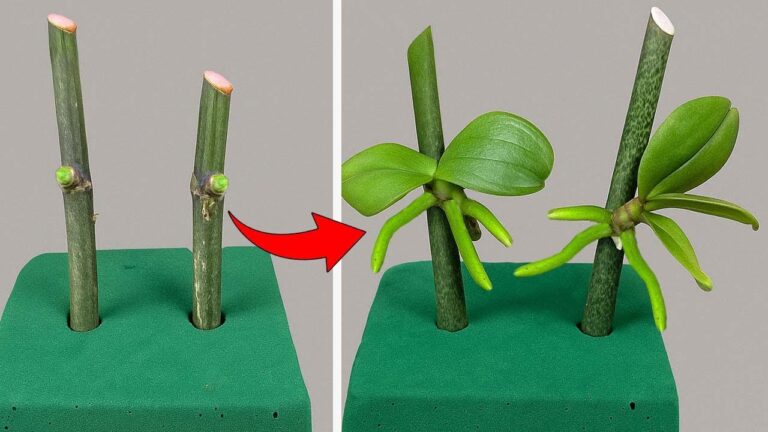
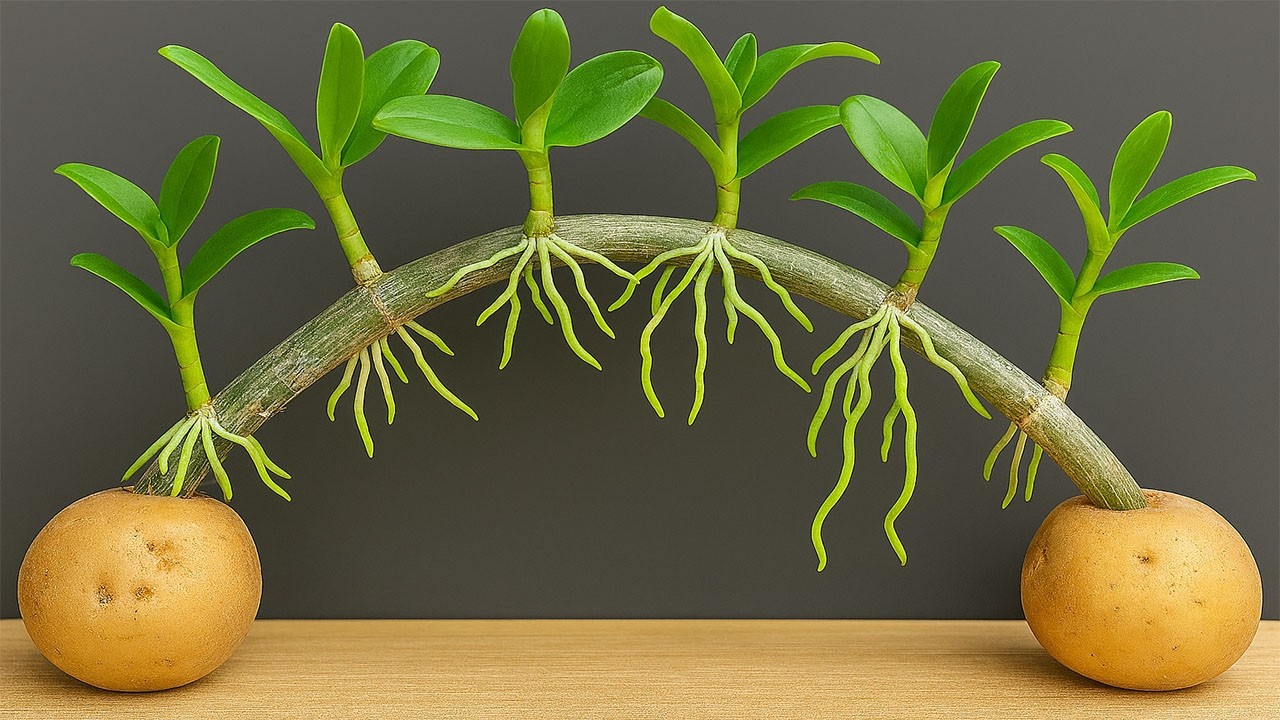
- Attach Orchid Cuttings: Insert the cut ends of your orchid cuttings into the flesh of the potato, making sure each cutting is positioned securely.
- Plant in Pot: Place the potato halves with the attached cuttings into your pot, then fill the space around them with the potting medium, ensuring they remain upright.
- Water and Care: Lightly water the potting medium. Place the pot in a warm, bright spot, avoiding direct sunlight. Maintain moisture without over-watering.
Monitoring Growth
Keep an eye on your cuttings. It may take weeks for roots to form and new growth to emerge from the potato. Be patient, as orchids typically have a slower growth rate.
Light and Temperature
Orchids thrive in bright, indirect light and warm temperatures. Aim for a consistent environment for optimal propagation results.
Common Mistakes to Avoid
While propagating orchids, it’s essential to steer clear of common pitfalls:
- Overwatering: Too much water can lead to root rot. Ensure the potting medium is moist but not soggy.
- Choosing the Wrong Potato: Use only healthy potatoes. Damaged or old potatoes may hinder growth.
- Insufficient Light: Failing to provide adequate lighting can stunt the growth of your orchids.
FAQ
How long does it take to propagate orchids using this method? It typically takes several weeks for roots to form and new growth to show, so patience is key.
Can I use other vegetables for propagation? While this method highlights potatoes, other starchy vegetables may work, but results can vary.
What if my cuttings wilt? If your orchid cuttings begin to wilt, reassess your watering and light conditions.
Conclusion
Propagating orchids using a potato can be a rewarding and creative method to expand your plant family. By following the steps and avoiding common mistakes, you’ll be on your way to nurturing healthy new orchids. How many orchids do you hope to propagate using this unique technique? Share your thoughts in the comments!