7 Tips for Growing Orchids in Water Bottles Without Root Rot
7 Tips for Growing Orchids in Water Bottles Without Root Rot
- Introduction
- Understanding Orchid Requirements
- Selecting the Right Water Bottle
- Efficient Growing Methods
- Common Mistakes to Avoid
- FAQ
- Conclusion
Introduction
Picture this: You’ve fallen in love with the vibrant beauty of orchids and want to bring a touch of nature indoors. Yet, your previous experiences with these delicate plants have left you feeling unsure about their care. Concerns about root rot can loom large, especially when using unconventional methods like water bottles. Understanding your orchid’s needs is essential for a successful growing experience. Read on to discover practical tips that will help you foster healthy orchids without the fear of overwatering.
Understanding Orchid Requirements
Before diving into growing orchids in water bottles, it’s crucial to know what your orchids require to thrive.
Light and Temperature Needs
- Orchids generally prefer bright, indirect sunlight. Avoid placing them in harsh direct sunlight, which can scorch their leaves.
- Maintain a temperature range between 65°F to 75°F (18°C to 24°C) during the day, with a slight drop at night.
Watering and Humidity
Proper watering is key to preventing root rot:
- Check the moisture level in the bottle. Roots should be moist but not soggy.
- Avoid letting the water sit stagnant; change it weekly to ensure freshness.
- Consider adding humidity by placing a pebble tray filled with water underneath the bottle.
Nutrients and Fertilizing
Orchids need nutrients to flourish:
- Use a diluted orchid fertilizer about once a month.
- Monitor for signs of nutrient deficiency, such as yellowing leaves or stunted growth.
Selecting the Right Water Bottle
The choice of water bottle can significantly affect your orchid’s growth.
Size and Shape Considerations
Choose a bottle that provides enough space for the roots:
- A wide mouth bottle allows for better air circulation and easier root management.
- A tall bottle may be suitable for certain orchid varieties that have longer root systems.
Material and Visibility
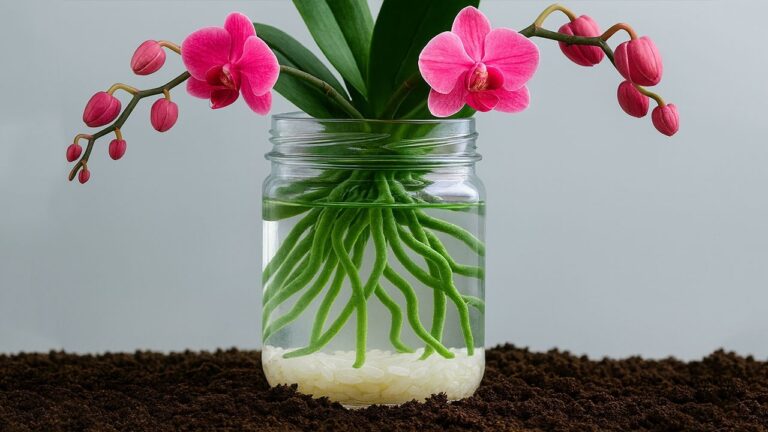
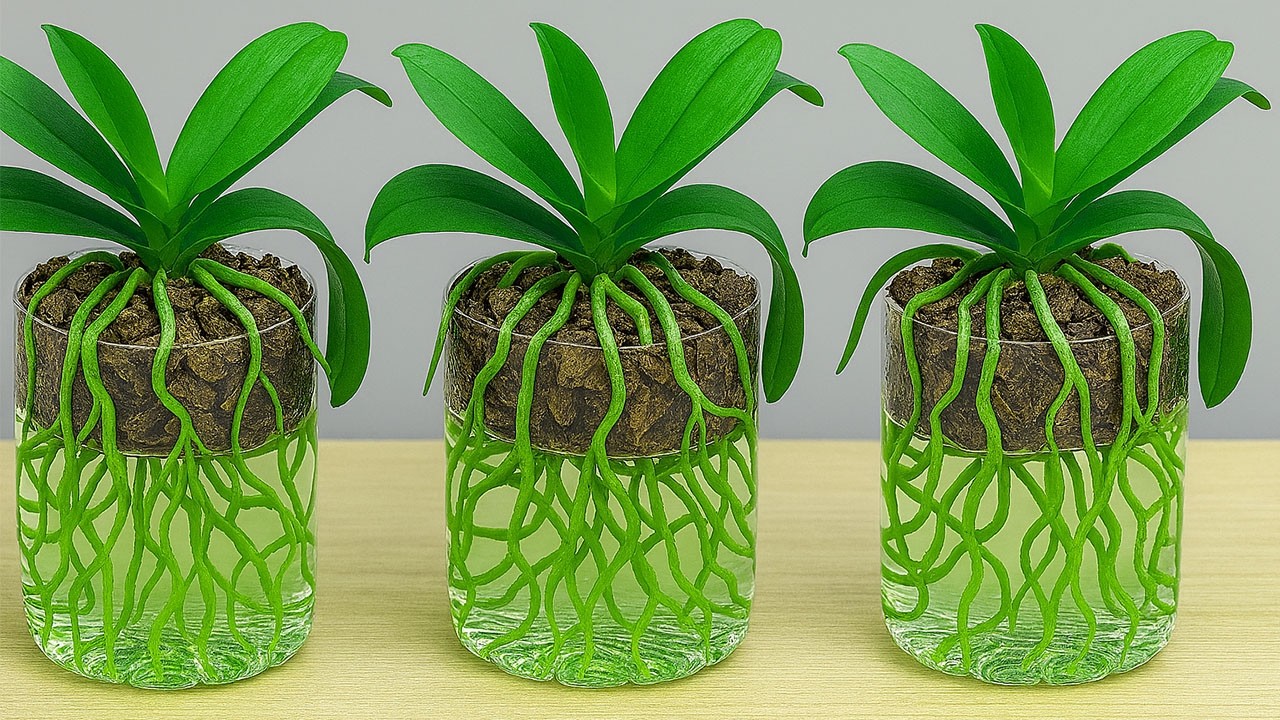
Opt for clear plastic or glass bottles. Clear materials allow you to observe moisture levels and root health easily.
Drainage Options
Since orchids need good drainage, consider:
- Using bottles with built-in drainage holes or cutting some into the sides.
- Adding a few small rocks at the bottom of the bottle to improve drainage.
Efficient Growing Methods
Applying effective growing methods can make all the difference in your orchid care journey.
Using Hydroponics
Hydroponic growing can be beneficial:
- Allows more control over nutrient delivery.
- Prevents root rot by avoiding waterlogged conditions.
Monitoring Root Health
Regular inspection is vital. Make the following a habit:
- Check the roots every few weeks for signs of rot, which appears as black or mushy areas.
- Trim any unhealthy roots with sterilized scissors to encourage healthy growth.
Creating an Optimal Environment
Further foster a supportive atmosphere:
- Position the bottle in a spot with stable light and temperature.
- Rotate the bottle periodically to ensure balanced light exposure on all sides.
Common Mistakes to Avoid
Even experienced plant lovers can stumble. Here are typical mistakes to be wary of:
Overwatering
One of the biggest issues with growing orchids in water bottles is overwatering. Ensure you are allowing the roots to breathe by not filling the bottle too high.
Ignoring Drainage
Without proper drainage, roots can become waterlogged. Be sure to add stones or use appropriate bottles with holes.
Neglecting Light Needs
Too much or too little light will stunt your orchid’s growth. Adjust the bottle’s location if you notice changes in leaf color.
Forgetting to Change Water Regularly
Stale water can lead to rot or attract pests. Establish a routine for changing the water weekly.
FAQ
How often should I water my orchids in a bottle?
Watering frequency depends on environmental conditions, but aim to check the water weekly and refresh it as needed.
Can I use any type of water for orchids?
It’s best to use distilled or rainwater, as tap water can contain chemicals that may harm the orchids.
What signs indicate that my orchid is healthy?
Healthy orchids have vibrant green leaves, firm roots, and frequent blooms. Monitor for any changes to address issues proactively.
Conclusion
Growing orchids in water bottles can be a rewarding experience when done with care. By paying attention to their requirements and avoiding common pitfalls, you’ll nurture beautiful plants. What challenges have you faced with your orchids in the past? Share your experiences in the comments below!