6 Reasons to Mulch Your Garden This Fall and Tips for Success
6 Reasons to Mulch Your Garden This Fall and Tips for Success
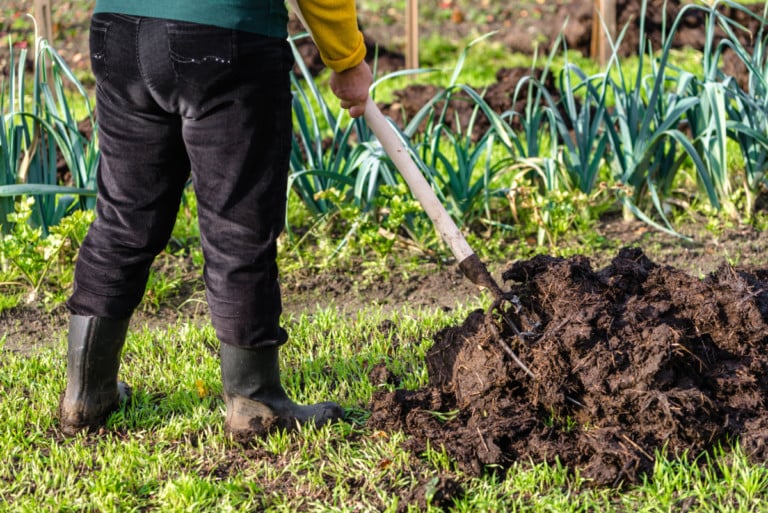
As the gardening season concludes, it’s time to prepare your garden for the winter. You’ve harvested a year’s worth of produce, and now it’s essential to give your soil a well-deserved rest. This article will guide you on how to effectively mulch your garden to enhance soil health, cultivate resilient crops, and safeguard your plants against the cold temperatures of winter. Though mulching may seem simple, it can be daunting for beginner gardeners. Let’s delve into the benefits of mulching and the essentials of doing it in the fall.
Why Mulch Your Vegetable Garden?
Exposed soil can lead to various problems for your garden. Here are six compelling benefits of applying mulch this fall:
-
1. Helps with Temperature Extremes
Winter temperatures can fluctuate dramatically. Mulch acts as insulation, protecting plant roots and the microbial life within your garden from these temperature extremes.
-
2. Improves Moisture Retention
Mulching creates a barrier that traps moisture and slows evaporation, ensuring your soil stays pliable and rich through the winter months.
-
3. Suppresses Weeds
By covering the soil in the fall, you prevent weed seeds from germinating, giving you a head start in spring and allowing your vegetable seeds to compete more effectively.
-
4. Improves Soil Nutrients
Mulch protects your soil while gradually breaking down to enrich it with essential nutrients, fostering a habitat for beneficial microorganisms.
-
5. Reduces Soil Erosion
Applying mulch helps prevent soil erosion, preserving your fertile ground through winter storms and changing weather conditions.
-
6. Keeps Things Presentable
A well-applied layer of mulch not only enhances the appearance of your garden but also provides structure and definition as you transition to the colder months.
9 Best Vegetable Garden Mulch Options
The first step in mulching your garden is choosing the right material. Here are some top options:
-
1. Straw or Seedless Hay
Straw is excellent for insulation and water absorption. Ensure you purchase from a reputable supplier to avoid harmful herbicides.
-
2. Shredded Leaves
Shred your fall leaves before applying them as mulch to trap air and enhance decomposition speed.
-
3. Pine Needles
Pine needles can acidify the soil, so monitor pH levels and apply garden lime if necessary.
-
4. Wood Chips/Shredded Bark
Wood chips are fantastic for weed suppression and offer long-lasting benefits. Use them in areas where you won’t be tilling the soil soon.
-
5. Grass Clippings
Grass clippings decompose quickly and provide nitrogen. Keep the layer thin to prevent matting.
-
6. Sawdust
Sawdust prevents weed growth, but be cautious of its acidity; apply garden lime as needed.
-
7. Compost
Compost enriches the soil but requires large quantities, so consider using it in combination with other mulch types.
-
8. Cardboard/Newspaper
These biodegradable options protect the soil while decomposing. Ensure you wet them to prevent them from blowing away.
-
9. Bonus: Plant a “Living Mulch” with Cover Crops!
Growing cover crops like mustard can enhance soil nutrients over the winter months.
How To Spread Mulch
To effectively apply mulch, follow these steps:
- Dampen the Soil: Water your garden before starting to prevent mulch from blowing away and make weed removal easier.
- Remove Weeds: Clear out as much of the weeds as possible.
- Spread the Mulch: Evenly distribute the mulch around your plants, leaving space around stems to avoid suffocation.
- Water Again: Water the mulch to help it settle and ensure it stays in place through winter.
7 Tips for Mulching Your Garden in the Fall
Follow these tips for a successful mulching experience:
- 1. Don’t Mulch Too Deeply: Keep layers to three inches or less to avoid soggy soil.
- 2. Keep Mulch Away from Stems: This helps prevent suffocation and disease.
- 3. Mulch Your Yard: Consider mulching your lawn by leaving shredded leaves in place.
- 4. Late Mulch is Better than None: Any time is a good time to mulch!
- 5. Consider Removing Mulch in Spring: As plants emerge, some mulch may need to be adjusted.
- 6. Leave Decaying Mulch Intact: It nurtures beneficial organisms in the soil.
- 7. Apply Fertilizer First: Enhance nutrient availability by using nitrogen-rich fertilizer before mulching.
Conclusion
Investing time in mulching your garden this fall will pay off with healthier soil and more robust plants come spring. By learning how to effectively mulch, you’ll enhance your gardening skills and set the stage for impressive harvests in the upcoming growing season.