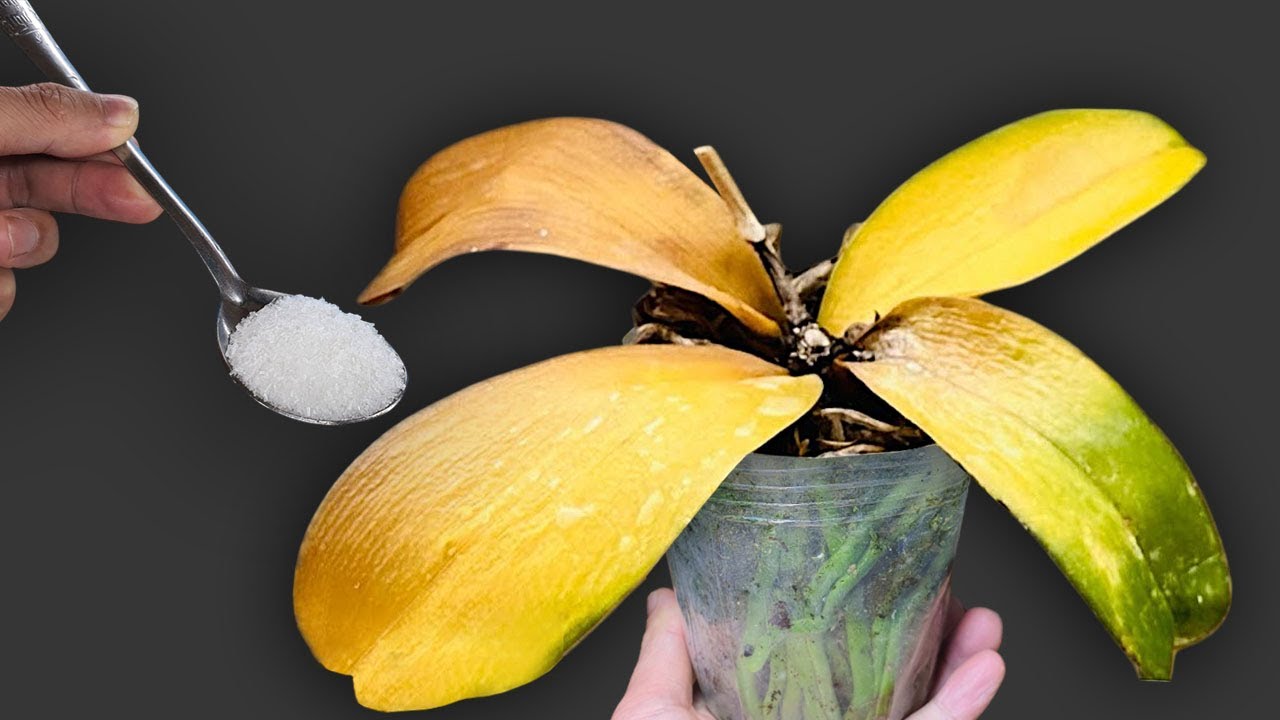
Revive Your Orchid with Just 1 Spoon: Blooming All Year Round!
Revive Your Orchid with Just 1 Spoon: Tips for Year-Round Blooming
- Introduction
- Understanding Orchids
- Essential Care Tips for Orchids
- Common Mistakes to Avoid
- FAQ
- Conclusion
Introduction
Seeing your orchid droop or lose its blooms can be disheartening. You likely want to preserve that stunning beauty, but the care can be quite challenging. If you’ve ever felt at a loss for how to nurture your orchid back to life, you’re not alone. Many people struggle to keep their orchids thriving. Discovering simple yet effective solutions can make all the difference, helping your plants bloom beautifully throughout the year.
Understanding Orchids
Before diving into specific care tips, it’s essential to understand what makes orchids unique. This knowledge can help you create the best possible environment for them to thrive.
1. Orchid Species
There are over 25,000 species of orchids, each with its own unique needs. Some common varieties include:
- Phalaenopsis – known for its elegant blooms and ease of care.
- Cattleya – famous for vibrant, fragrant flowers.
- Dendrobium – characterized by its long stems and numerous flowers.
2. Natural Habitat
Orchids typically grow in tropical climates, often in subtropical forests where they receive filtered sunlight and high humidity. Recreating these conditions at home can be key to their survival.
3. Orchid Lifespan
While orchids can live for many years, their blooming period depends on proper care, light levels, and humidity. Understanding their lifespan helps you set realistic expectations.
Essential Care Tips for Orchids
Proper care can revive your orchid and encourage it to bloom consistently. Below are some fundamental tips to follow.
1. Watering Guidelines
Watering your orchid correctly is vital for its health:
- Check the potting medium for dryness before watering.
- Use room-temperature water to avoid shocking the roots.
- Avoid overwatering; typically, once a week is sufficient.
2. Light Requirements
Light is a critical factor for your orchid’s health:
- Place your orchid in a location where it receives bright, filtered light.
- Avoid direct sunlight, which can scorch the leaves.
- Consider rotating your orchid every few weeks for even light exposure.
3. Fertilizing Your Orchid
Using the right fertilizer can enhance growth:
- Choose a balanced orchid fertilizer formulated for your specific type.
- Fertilize every 2-4 weeks during the growing season.
- Use only half the recommended strength to avoid root burn.
4. Humidity and Temperature
Creating a suitable environment can make a big difference:
- Keep humidity levels around 50-70%.
- Utilize a humidifier or pebbles in a tray of water.
- Set your orchid in temperatures between 65°F and 75°F for optimal growth.
Common Mistakes to Avoid
Even with good intentions, mistakes can happen. Here are some common pitfalls to be aware of.
- Overwatering — Many orchid owners struggle with this. Always check the potting medium first.
- Choosing the wrong pot — Ensure that your orchid’s pot has adequate drainage holes.
- Ignoring pests — Regularly check your plant for signs of pests, such as webbing or discoloration.
- Neglecting to repot — Orchids grow best when they are repotted every one to two years.
- Boosting humidity too much — Extreme humidity can lead to root rot; striking a balance is vital.
FAQ
How often should I water my orchid?
Typically, orchids require watering once a week, but it’s essential to check the potting medium for dryness first.
What kind of fertilizer is best for orchids?
A balanced orchid fertilizer specifically formulated for your type of orchid works best, applied every 2-4 weeks during the growing season.
Why are my orchid leaves turning yellow?
Yellow leaves can indicate overwatering, insufficient light, or lack of nutrients. Assess your care routine for potential adjustments.
Conclusion
Reviving your orchid requires understanding, patience, and the right care strategies. By focusing on watering, light, and humidity levels, you can enjoy beautiful blooms year-round. What tips have worked for you in caring for your orchids? Share your experiences in the comments!