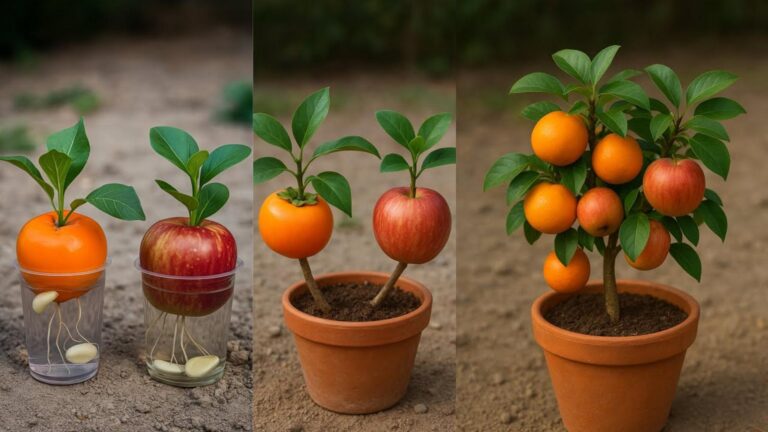
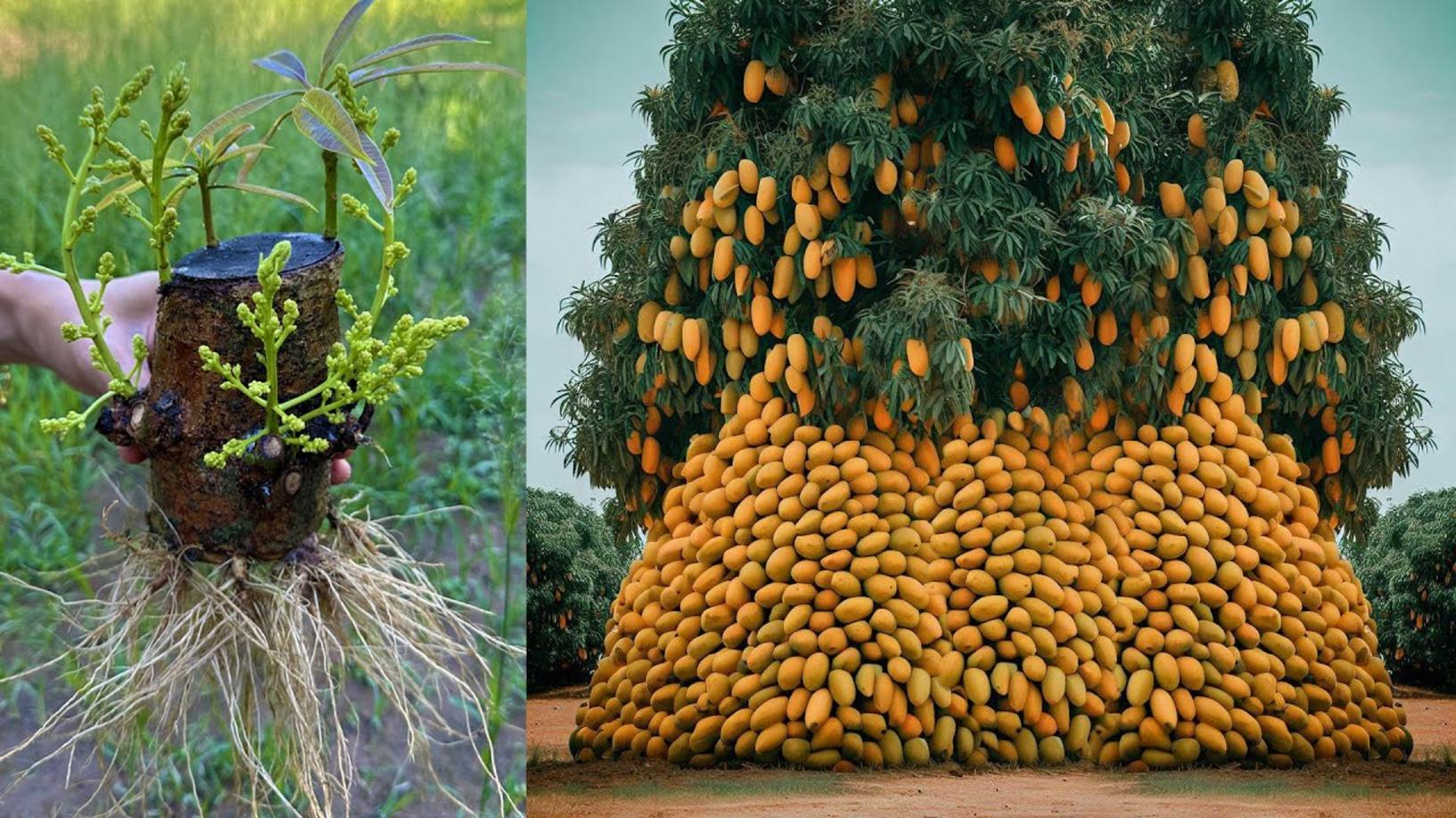
This forgotten trick transforms mango cuttings into fruit-bearing trees…
This Forgotten Trick Transforms Mango Cuttings into Fruit-Bearing Trees
Have you ever dreamed of growing your own mango tree? With the **forgotten trick** of grafting, you can turn mango cuttings into flourishing, fruit-bearing trees. This technique not only promotes healthy growth but also ensures a quicker yield. Let’s dive into the step-by-step process, practical tips, and common mistakes to avoid as you embark on this exciting gardening journey.
Step-by-Step Guide to Grafting Mango Trees
1. Select the Right Cutting
Choose a healthy mango cutting from a mature tree. Look for a stem that’s about 6 to 8 inches long. Ensure it has at least two to three leaves and is free from disease.
2. Prepare the Rootstock
Select a compatible rootstock, usually from a younger mango tree. The rootstock should be vigorous and healthy to support the grafting process.
3. Make the Grafting Cut
Using a sharp knife, make a slanted cut on the bottom of the cutting. The angle should be around 45 degrees. This increases the surface area for better sap flow.
4. Create a Matching Cut on the Rootstock
At the same location on the rootstock, make a similar slanted cut. Ensure both cuts align well for successful grafting.
5. Join the Cuts Together
Carefully place the cutting against the rootstock and align the cambium layers (the greenish layer beneath the bark). This alignment is crucial for **successful grafting**.
6. Secure the Graft
Wrap the graft union tightly with grafting tape or parafilm. This helps to keep the cuts together and prevents moisture loss.
7. Nurture Your Grafted Tree
Place the grafted tree in a shaded area with indirect sunlight. Water it regularly to keep the soil moist, but not soggy. After a few weeks, you should see new growth!
Practical Tips for Successful Grafting
- Use Sterile Tools: Always ensure your cutting tools are sterilized to prevent infections.
- Timing Matters: The best time to graft mango trees is during the late spring to early summer when new growth begins.
- Monitor Humidity: Cover the grafted area with a plastic bag to maintain humidity, removing it briefly to allow air circulation.
Common Mistakes to Avoid
- Improper Alignment: Failing to align the cambium layers can result in graft failure.
- Overwatering: Too much water can rot the cutting; ensure good drainage.
- Neglecting Care: Don’t overlook the need for moisture and nutrients while the graft establishes.
Conclusion: Your Mango Tree Awaits!
Grafting your mango tree from cuttings is an **exciting way** to cultivate fruit-bearing trees in your garden. By following these steps and tips, you’ll have a flourishing mango tree to enjoy for years to come. So, gather your supplies and give grafting a try! Remember, every great gardener began with a single cutting. Are you ready to start your mango journey?