Unlock 7 Secrets to Make Your Orchids Bloom This Spring with Just One Teaspoon!
Unlock Secrets to Make Your Orchids Bloom This Spring
- Introduction
- Understanding Orchid Needs
- Best Feeding Practices
- Common Mistakes to Avoid
- FAQ
- Conclusion
Introduction
As spring approaches, many orchid enthusiasts find themselves eagerly anticipating the arrival of vibrant blooms. You might be wondering why your beautiful orchids aren’t flourishing as expected, leaving you frustrated and confused. With the right care and attention, it’s entirely possible to coax those delicate flowers into a stunning display. Learning effective methods can make all the difference, and you’ll soon discover how simple tweaks in your routine can lead to thriving orchids.
Understanding Orchid Needs
Orchids are unique plants with specific requirements. Knowing these can significantly enhance their growth. Here are the essentials:
1. Light Requirements
Orchids thrive in bright, indirect sunlight. Positioning them near east or west-facing windows can provide the optimal lighting environment. Too much direct sun can burn their leaves, while too little can inhibit blooming.
2. Watering Essentials
A crucial part of orchid care is understanding their watering needs. Overwatering is a common mistake that can lead to root rot. A good practice is to water your orchids when the potting mix feels dry about an inch below the surface.
3. Humidity Levels
Orchids enjoy humid environments. Consider using a humidity tray or a room humidifier to maintain moisture, especially in dry seasons. This simple addition can help your plants thrive.
Best Feeding Practices
To ensure your orchids flourish, feeding them correctly is vital. Here’s how to do it effectively:
1. Choosing the Right Fertilizer
Look for a balanced fertilizer (like 30-10-10) specifically formulated for orchids, which provides the necessary nutrients without overwhelming them.
2. Feeding Frequency
Feed your orchids every two weeks during the growing season and reduce this frequency in winter. A gentle approach in this regard promotes healthy growth without risking over-fertilization.
3. Using Just One Teaspoon
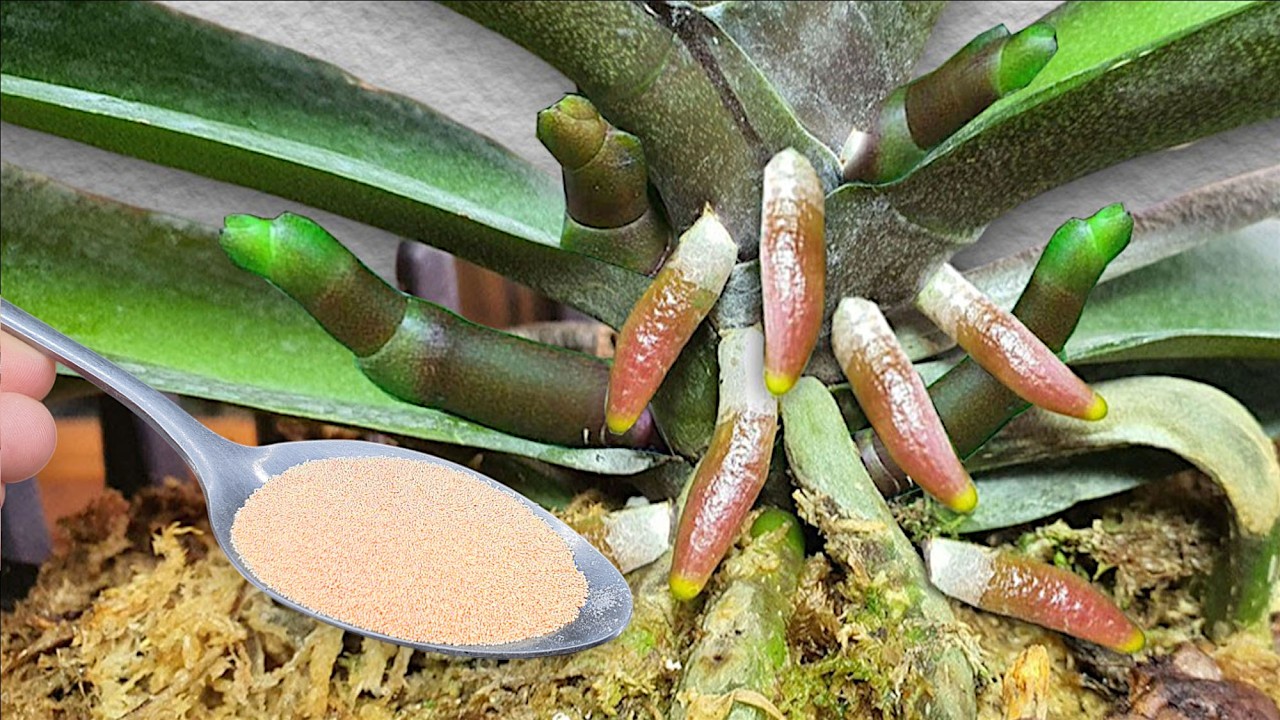
When it’s time to fertilize, remember that a little goes a long way. Using just one teaspoon mixed in water can be sufficient for nurturing your plants effectively. This simple measurement can prevent buildup in the potting medium.
Common Mistakes to Avoid
Even experienced growers can falter. Here are some common pitfalls to steer clear of:
1. Overwatering
Too much water can suffocate roots, leading to wilting or death. Always check the dryness of the potting medium.
2. Neglecting to Repot
Orchids can outgrow their pots, which affects their health. Repotting every couple of years in fresh medium can provide better aeration and nutrients.
3. Ignoring Temperature Changes
Orchids prefer stable temperatures. Sudden changes can stress the plants, resulting in fewer blooms. Aim for a consistent environment.
FAQ
Why are my orchids not blooming?
Orchids may not bloom due to insufficient light, improper watering, or lack of nutrients. Assess your care routine to identify the issue.
How often should I fertilize my orchids?
Fertilizing every two weeks during the growing season is recommended, with a reduced frequency in winter to avoid over-fertilization.
What type of potting mix should I use?
A special orchid potting mix, typically containing bark, charcoal, and other materials for good drainage and aeration, is essential for healthy growth.
Conclusion
Understanding your orchids’ needs and implementing proper feeding techniques can significantly improve their blooming potential. By focusing on the right practices, you can witness a vibrant display of flowers this spring. What has been your experience with growing orchids? Share your thoughts in the comments!