Bloom 10+ New Flowers All Year with This Simple Orchid Care Tip!
Simple Orchid Care Tips for Year-Round Blooming
- Introduction
- Understanding Orchids
- Essential Orchid Care Tips
- Common Mistakes to Avoid
- FAQ
- Conclusion
Introduction
Caring for orchids can often feel overwhelming, especially when you notice they’re not blooming as consistently as you’d like. You might be anxiously checking your plant for signs of life, wondering if it’s the environment, watering schedule, or something else entirely. The key to ensuring these beautiful flowers thrive lies in understanding their specific needs and care routines. By adjusting a few factors in their environment, you can encourage year-round blooms. Let’s explore the tips that can help your orchids flourish.
Understanding Orchids
Orchids are unique plants that require specific conditions to thrive. Understanding these needs is the first step toward successful blooming.
1. Types of Orchids
There are thousands of species of orchids, with popular ones including the Phalaenopsis and Cattleya. Each type has its own preferences regarding light, water, and temperature.
2. Natural Habitat
Orchids typically grow in tropical environments. This means they can benefit from higher humidity and warm temperatures, which you can replicate at home.
3. Growth Cycle
Knowing the growth cycle of your orchid can help you optimize care. Many orchids have a resting period after blooming, so it’s important to adjust care accordingly during this time.
Essential Orchid Care Tips
With a basic understanding of orchids, let’s dive into essential care tips that can help your plants bloom beautifully throughout the year.
1. Watering Routine
- Check the moisture level of the potting medium before watering.
- Orchids generally prefer to dry out slightly between waterings.
- When watering, it’s important to use room temperature water to avoid shocking the roots.
2. Proper Lighting
Orchids thrive in bright, indirect sunlight. Here are tips for providing the right light:
- Place your orchids near a window that receives filtered light.
- Too much direct sunlight can scorch leaves, while too little can prevent blooming.
- Rotating the plant occasionally can ensure even light exposure.
3. Humidity Control
Humidity is crucial for orchids. Here’s how to maintain the right levels:
- Use a humidity tray filled with water and pebbles to increase moisture around the plant.
- Alternatively, lightly mist the leaves regularly, especially during dry months.
Common Mistakes to Avoid
Even seasoned orchid enthusiasts make mistakes sometimes. Here are some common pitfalls to avoid in your orchid care routine.
1. Overwatering
One of the most common mistakes is overwatering, which can lead to root rot. Always allow the potting medium to dry out before the next watering.
2. Improper Potting Mix
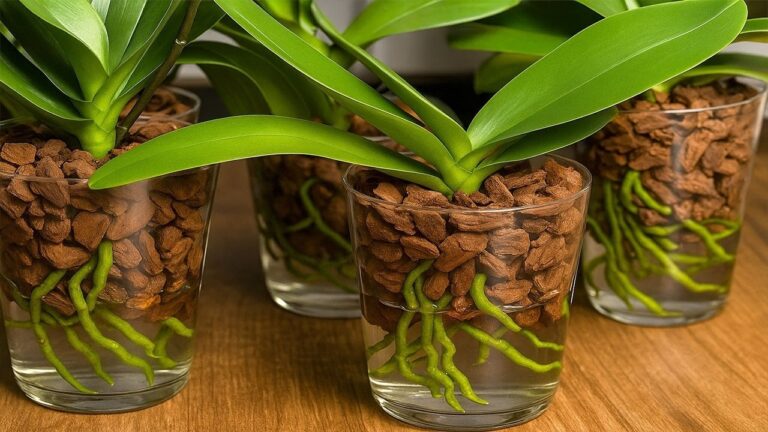
Using regular potting soil can suffocate your orchids. Opt for a special orchid potting mix that provides proper drainage and airflow.
3. Neglecting Fertilization
Orchids need regular fertilization to bloom well. Use a balanced orchid fertilizer every two weeks during the growing season, and reduce frequency during their rest period.
FAQ
What is the best potting mix for orchids?
It’s best to use a specially formulated orchid potting mix that usually contains bark, charcoal, and moss, providing adequate drainage and air circulation.
How often should I repot my orchids?
Repotting is typically done every 1-2 years, or when the potting medium breaks down and no longer supports healthy growth.
Why are my orchid leaves yellowing?
Yellow leaves can indicate overwatering, underwatering, or too much direct sunlight. Assess the care conditions to pinpoint the issue.
Conclusion
By implementing these simple orchid care tips, you can enjoy lush blooms throughout the year. Paying attention to their unique needs is essential for their health and vitality. What orchid care tips have you found most helpful in your experience? Share your thoughts in the comments below!