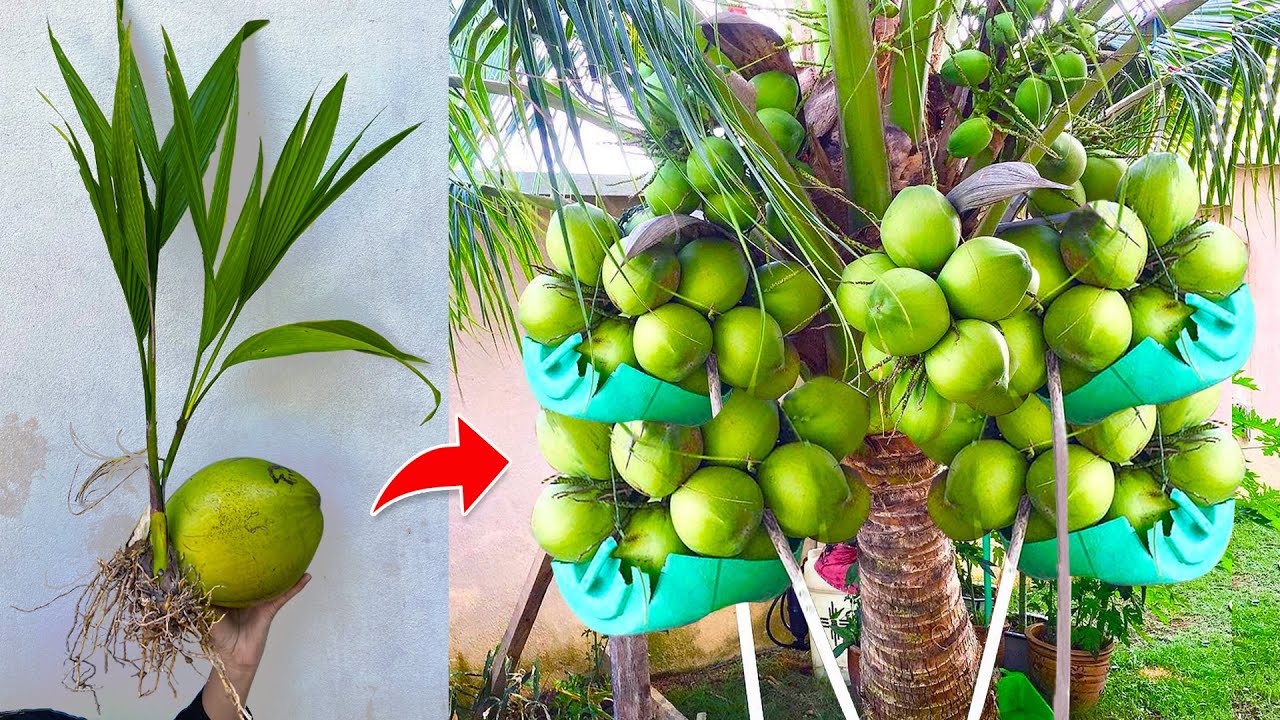
6 Steps to Propagate Coconut Trees Faster with Bananas
How to Propagate Coconut Trees Faster with Bananas
- Introduction
- Understanding Coconut Tree Propagation
- Benefits of Using Bananas
- Step-by-Step Guide
- Common Mistakes
- FAQ
- Conclusion
Introduction
Have you ever thought about growing your own coconut trees, only to feel daunted by the traditional propagation methods? You’re not alone. Many aspiring gardeners find the process lengthy and complicated. But what if there was a way to enhance the propagation speed and success rate of coconut trees using something as simple as bananas? There’s much to explore, so let’s dive in.
Understanding Coconut Tree Propagation
To effectively propagate coconut trees, it’s important to understand the methods available. The most common method is through seedlings, but there are other approaches that can yield exciting results.
Seedlings and Their Role
Coconut tree seedlings develop from mature coconuts, typically taken from fallen fruits. When planting, you must ensure that your seeds have viable embryos, which means looking for coconuts that have been properly processed and stored correctly.
Alternative Propagation Methods
Besides seedlings, there are vegetative propagation techniques. These can involve methods like air layering and using tissue cultures. However, traditional methods can be time-consuming, pushing gardeners to look for quicker solutions.
Benefits of Using Bananas
Bananas provide vital nutrients and have unique properties that can enhance the propagation process of coconut trees.
Nutrient-Rich Components
Bananas are rich in potassium, which helps with root development in plants, including coconut trees. By utilizing bananas, you can ensure the seedling has a nutritious start.
Natural Growth Hormones
Bananas also contain natural growth hormones that stimulate rapid growth and plant health. When combined with coconut seedlings, these hormones can significantly expedite the propagation process.
Step-by-Step Guide
Now that you understand the benefits, let’s delve into the practical steps for using bananas to propagate coconut trees quickly.
Step 1: Gather Your Materials
- Coconuts: Choose mature coconuts.
- Bananas: Select ripe bananas that are free from bruises and rot.
- Soil: Use a well-draining potting mix.
- Containers: Clay pots or seedling trays work well.
Step 2: Prepare the Bananas
Begin by peeling the bananas and mashing them into a paste. You will need about one banana per coconut, ensuring that it can coat the root area when planted.
Step 3: Process the Coconuts
Split open the coconuts to expose the inner seed. Gently remove any brown husks to reveal the seed inside, making sure not to damage it.
Step 4: Combine and Plant
Mix the mashed bananas with the potting soil. Create a small hole in the soil and place the coconut seed inside, covering it lightly with the banana-infused soil.
Step 5: Watering and Care
Water lightly, ensuring the soil is moist but not soggy. Place the pots in a warm, sunny spot where they can thrive. Keep an eye on them, as they will need consistent moisture.
Common Mistakes
Even experienced gardeners can make errors in the propagation process. Here are some common mistakes to avoid for optimal results.
1. Using Unripe Bananas
Ripe bananas contain essential nutrients and hormones that promote growth. Using unripe ones may hinder the effectiveness of your propagation efforts.
2. Overwatering the Seedlings
Too much water can lead to root rot, which is detrimental to young seedlings. Always check the soil moisture before watering.
3. Poor Light Conditions
Coconut trees thrive in bright, indirect sunlight. Ensure your seedlings receive adequate light to promote healthy growth.
FAQ
How long does it take for coconut seeds to germinate? Coconut seeds typically take about 3 to 6 months to germinate, depending on environmental conditions.
Can I use other fruits instead of bananas? While bananas are particularly effective, other nutrient-rich fruits can also be used, but results may vary.
What type of soil is best for coconut seedlings? A well-draining potting mix is ideal, as it prevents waterlogging and promotes healthy root growth.
Conclusion
Propagating coconut trees can be a rewarding experience, especially when using the unique approach of incorporating bananas. By following the outlined steps and avoiding common mistakes, you can achieve successful growth. Have you tried propagating coconut trees in your garden? Share your experiences in the comments below!