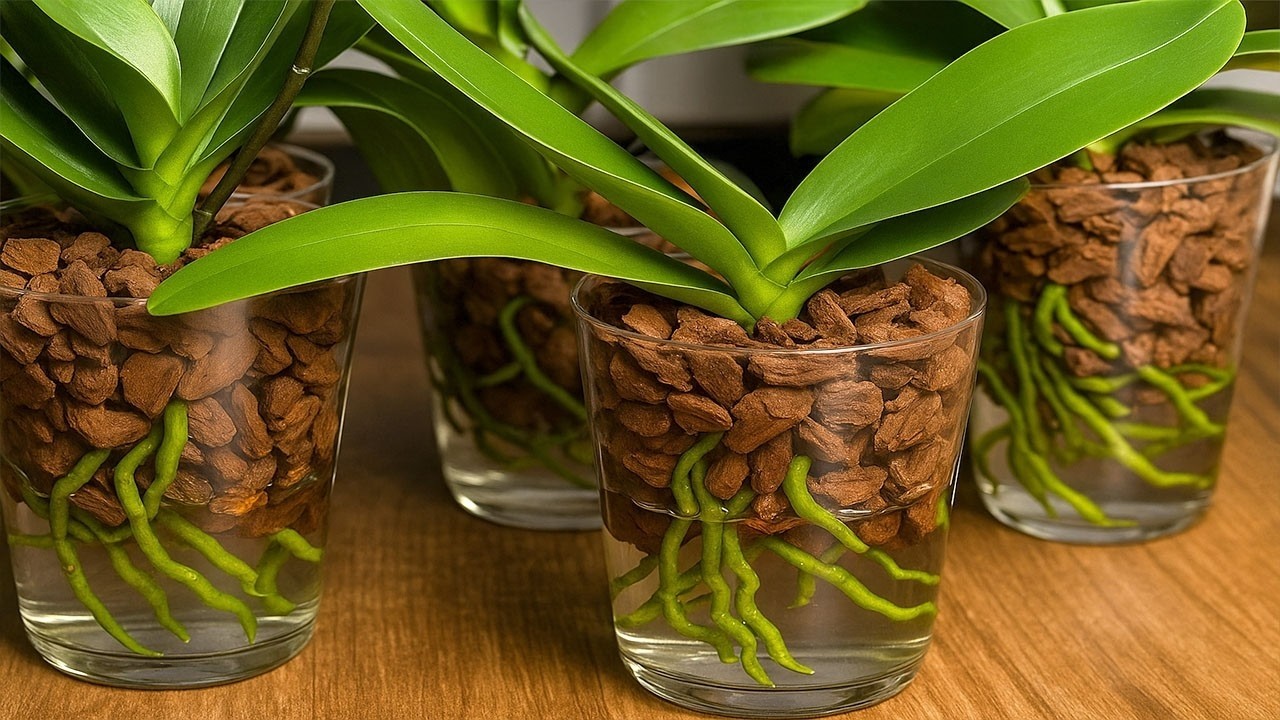
10 Tips to Help Your Orchids Bloom Nonstop and Grow Healthy Roots!
10 Tips for Keeping Your Orchids Blooming and Healthy
- Understanding Orchids
- Optimal Lighting for Orchids
- Watering Techniques for Orchids
- Fertilization Methods for Healthy Growth
- Common Mistakes to Avoid
- FAQ
Understanding Orchids
Orchids are stunning plants that many love to grow, but they can be tricky to care for. When your orchid isn’t blooming or its roots appear unhealthy, it can be frustrating. Understanding their natural habitat is the first step in ensuring your orchids thrive. These beautiful plants are native to tropical regions, where they thrive in bright, humid environments. By mimicking these conditions, you can encourage your orchids to bloom repeatedly and maintain robust roots.
Optimal Lighting for Orchids
Light is essential for your orchids. Without the right amount of brightness, they may not bloom as expected. Here are some tips to ensure they get optimal light:
- Choose the right location: Place your orchids near east or west-facing windows. They appreciate bright, indirect sunlight.
- Rotate your plants regularly to ensure even growth on all sides.
- If you notice yellowing leaves, it may be a sign of too much light; consider moving them to a slightly shaded area.
Artificial Lighting Options
If natural light is insufficient, consider using grow lights. Choose LED grow lights that emit a spectrum beneficial for plant growth. Position them about 12-24 inches above the plants, adjusting based on the plant’s response.
Watering Techniques for Orchids
Proper watering is vital for keeping your orchids healthy. Here’s how to do it effectively:
- Water your orchids every 1-2 weeks, allowing the potting medium to dry out slightly between waterings.
- Use room-temperature water, ensuring it reaches the roots without shocking them.
- Water in the morning to allow the leaves to dry out during the day, reducing the risk of mold.
Signs of Overwatering
Watch for signs that you might be overwatering, such as yellowing leaves or mushy roots. These can indicate root rot, which can be detrimental to your orchid’s health.
Fertilization Methods for Healthy Growth
Regular feeding will support your orchids during their growth cycles. Here are some effective fertilization methods:
- Use a balanced, water-soluble fertilizer during the growing season, typically spring and summer.
- Dilute the fertilizer to half the recommended strength to avoid burning the roots.
- Feed every 2-4 weeks while the orchid is actively growing, but reduce frequency during dormancy.
Types of Fertilizers
Consider using fertilizers with a higher nitrogen content during the growing phase and switching to one with a higher phosphorus content when you want to encourage blooming.
Common Mistakes to Avoid
Caring for orchids can be challenging, and beginners often make a few common mistakes that can hinder growth:
- Failing to provide adequate humidity: Orchids thrive in humid environments. Use a humidifier or a pebble tray with water to maintain humidity levels.
- Using regular potting soil: Opt for a specialized orchid potting mix to ensure proper drainage and air circulation.
- Ignoring root health: Regularly check the roots for any signs of rot and repot if necessary to improve their health.
FAQ
Why aren’t my orchids blooming? Insufficient light or improper watering can prevent an orchid from blooming. Ensure your plants receive enough bright, indirect light and that you’re watering correctly.
How often should I repot my orchids? Typically, orchids should be repotted every 1-2 years or when the potting medium breaks down.
Can orchids grow without direct sunlight? Yes, orchids can thrive in bright, indirect light. Direct sunlight can scorch their leaves.
Conclusion
With the right care, your orchids can bloom beautifully and develop healthy roots. Remember to provide optimal light, proper watering, and regular fertilization to keep them thriving. What tips do you have for fellow orchid lovers struggling with their plants? Share your thoughts in the comments!