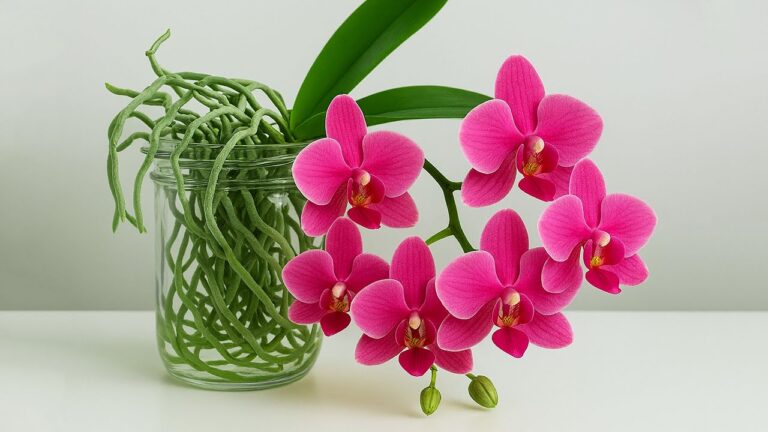
10 Tips for Rapid Orchid Growth and Abundant Blooms You Need to Know!
10 Essential Tips for Rapid Orchid Growth and Abundant Blooms
- Understanding Orchids
- Optimal Lighting Conditions
- Effective Watering Techniques
- Common Mistakes to Avoid
- FAQ
Orchids are known for their stunning beauty and delicate nature, often leaving many plant lovers puzzled about how to encourage their healthy growth and vibrant blooms. You might be wondering why your orchids aren’t flourishing or producing the stunning flowers you envision. With the right knowledge and care, you can nurture your orchids to reach their full potential. Let’s explore some essential tips that can help transform your orchids into flourishing beauties.
Understanding Orchids
Before diving into specific care techniques, it’s essential to understand what makes orchids unique. With over 25,000 species, orchids are one of the largest flowering plant families. Their diverse range requires tailored care approaches, but there are general guidelines that can benefit any type.
Choosing the Right Orchid Type
Not all orchids are created equal. Research various types like Phalaenopsis, Cattleya, and Dendrobium, to determine which best fits your environment and skills.
Identifying Needs
Orchids require not just water and light but also specific humidity and airflow conditions. This understanding will shape your care routine.
Optimal Lighting Conditions
Light is one of the most critical factors affecting the health of your orchids. The right balance is needed to promote robust growth and encourage blooming.
Natural Light vs. Artificial Light
Orchids generally thrive in bright, indirect sunlight. Placing them near an east or west-facing window typically works well. However, in lower-light conditions, consider using fluorescent grow lights to extend their light exposure.
Assessing Light Quality
Check for signs of too much or too little light. Yellowing leaves may indicate excessive exposure, while slow growth can suggest inadequate light.
Effective Watering Techniques
Watering is another crucial component of orchid care. A proper watering routine ensures your orchids remain hydrated yet not waterlogged.
Frequency of Watering
- Check moisture levels by touching the orchid’s potting medium. Water when the top inch feels dry.
- Water thoroughly, allowing excess to drain out. Avoid leaving your orchids in standing water.
- Adjust frequency according to the season; orchids may need more water in the warmer months and less during dormancy.
Water Quality
Use distilled or rainwater when possible, as tap water often contains chemicals that can harm your orchids over time.
Common Mistakes to Avoid
Even experienced growers can stumble upon some common pitfalls when caring for their orchids. Here are a few mistakes to watch for:
Overwatering
As a leading cause of orchid death, overwatering can lead to root rot. Be sure to establish a proper watering routine and observe your plant’s responses.
Ignoring Pot Size
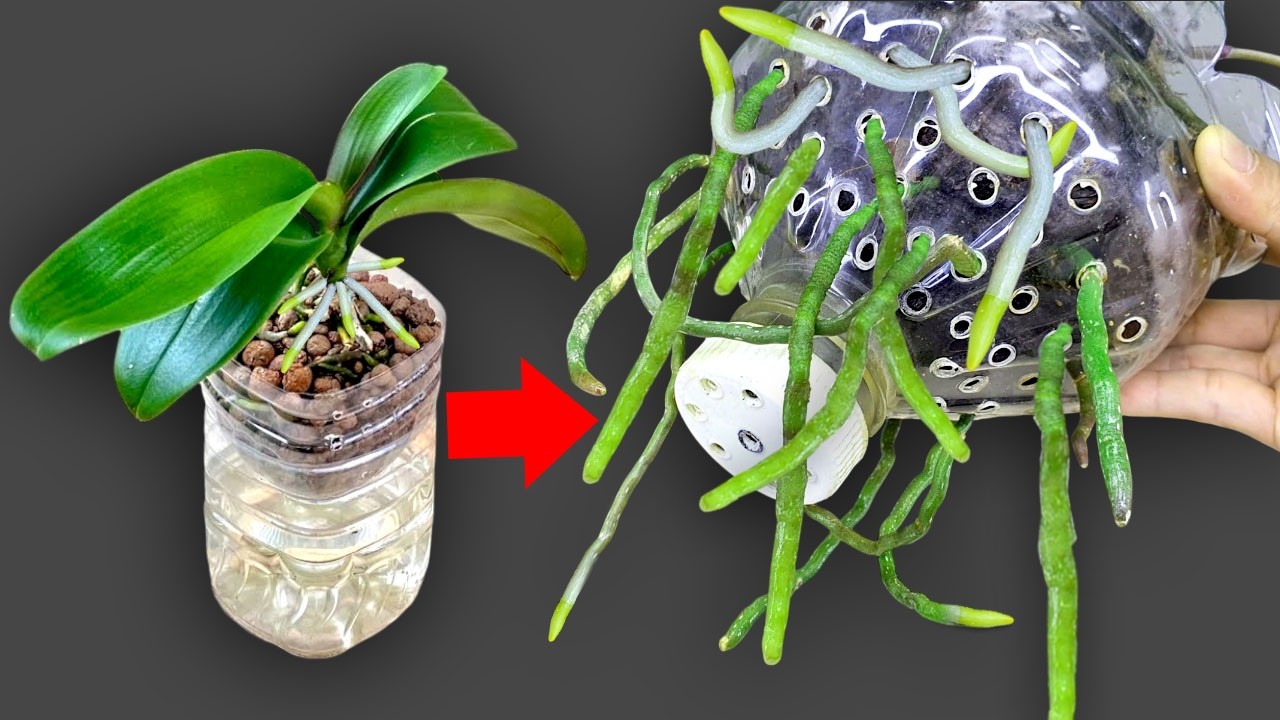
Using a pot that’s too large can lead to stagnant water, while a pot that’s too small restricts growth. Ensure your pot size complements your orchid’s root system.
Neglecting Fertilization
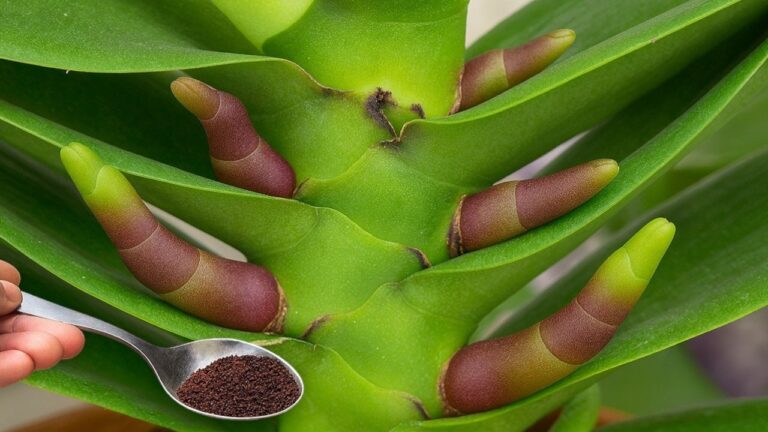
Orchids benefit from a balanced fertilizer regimen during their growing season. Apply a diluted fertilizer once a month to encourage strong growth and flowering.
FAQ
What type of fertilizer is best for orchids?
A balanced, water-soluble fertilizer designed for orchids is ideal, typically high in nitrogen.
How often should I repot my orchids?
Orchids should generally be repotted every 1-2 years or when the potting medium breaks down.
Can I use regular potting soil for orchids?
No, orchids require a specialized potting mix, typically made from bark or sphagnum moss, to promote proper drainage.
By implementing these essential tips, you can enjoy rapid orchid growth and an abundance of beautiful blooms. What specific challenges have you faced with your orchids? Share your experiences in the comments!