7 Warning Signs of Pancreatitis You Should Never Ignore! Discover the Truth Now!
7 Warning Signs of Pancreatitis You Should Never Ignore
Can you recall a time when you felt unexplainably ill, perhaps with abdominal pain that wouldn’t go away? Many people brush off unusual symptoms, but these can be early indicators of serious conditions. Among them, pancreatitis is one that requires your attention. Knowing the warning signs is essential for seeking timely medical assistance, so keep reading to learn more about this condition.
Understanding Pancreatitis
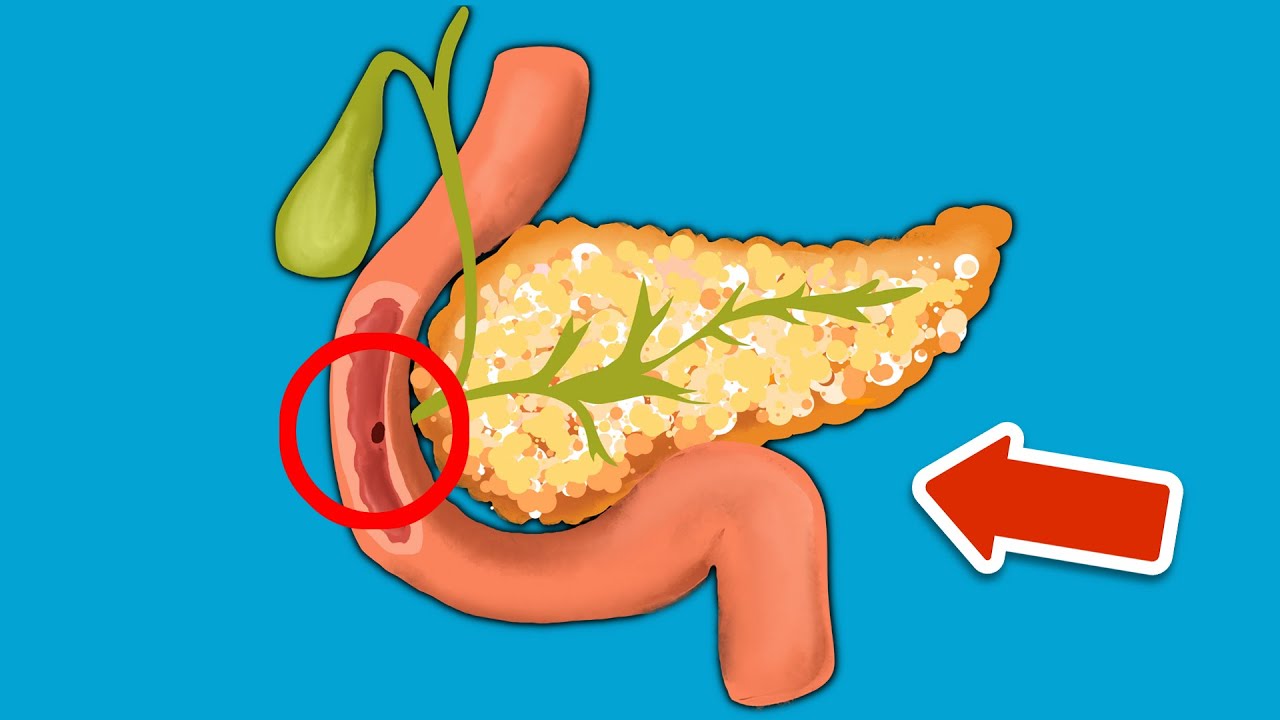
Pancreatitis is an inflammation of the pancreas, an organ vital for digestion and blood sugar regulation. There are two main types: acute and chronic pancreatitis. Understanding these can help you identify symptoms and guide you on when to seek medical attention.
Acute vs. Chronic Pancreatitis
- Acute pancreatitis can occur suddenly and may resolve within days with proper treatment. It often results from gallstones or excessive alcohol consumption.
- Chronic pancreatitis develops over years and leads to permanent damage. Lifestyle habits, particularly alcohol use, play a significant role in its progression.
Risk Factors
Common risk factors for developing pancreatitis include:
- Alcohol use
- Gallstones
- Certain medications
- Family history of pancreatic diseases
Common Signs of Pancreatitis
Being aware of the symptoms can help you catch pancreatitis early. Here are the main warning signs to watch for.
1. Abdominal Pain
The most common symptom of pancreatitis is a persistent pain in the upper abdomen that may radiate to the back. This pain is often severe and may be accompanied by nausea or vomiting.
2. Nausea and Vomiting
Frequent bouts of nausea, often leading to vomiting, can occur, making it challenging to retain food or liquids. This symptom can exacerbate dehydration.
3. Fever and Rapid Heart Rate
If you experience a fever along with an increased heart rate, it’s essential to pay attention. These signs may indicate inflammation or infection.
When to Seek Help
If you notice several symptoms of pancreatitis, it’s crucial to seek medical help. Here’s a guide on when to do so.
Emergency Symptoms
- Severe abdominal pain that worsens after eating or drinking.
- Persistent vomiting that prevents you from keeping food down.
- Jaundice, characterized by yellowing of the skin and eyes.
Consulting Your Doctor
Even if symptoms seem mild, consult your healthcare provider. They can assess your condition and possibly recommend scans to visualize your pancreas.
Mistakes to Avoid
It’s easy to overlook warning signs or mistake symptoms for less severe issues. Here are some common mistakes to avoid.
- Ignoring persistent symptoms. If your symptoms last longer than a few days, don’t hesitate to seek help.
- Self-diagnosing. Avoid trying to diagnose your condition based on assumption; a medical professional’s input is essential.
- Withdrawing from food and hydration can worsen your condition. Always consult a doctor for guidance on what to do.
FAQ
What causes pancreatitis?
Common causes include chronic alcohol consumption, gallstones, certain medications, and genetic predispositions.
Can pancreatitis be treated at home?
While mild cases may improve with home care, severe symptoms require medical attention. Always consult a healthcare professional for guidance.
What are the long-term effects of pancreatitis?
Long-term effects can include chronic pain, diabetes, and digestive issues. Regular check-ups are important for managing these complications.
Conclusion
Recognizing the symptoms and understanding when to seek help for pancreatitis can make a significant difference. If you notice any concerning signs, take action and consult a healthcare provider. Have you or someone you know experienced similar symptoms? Share your thoughts in the comments below.