
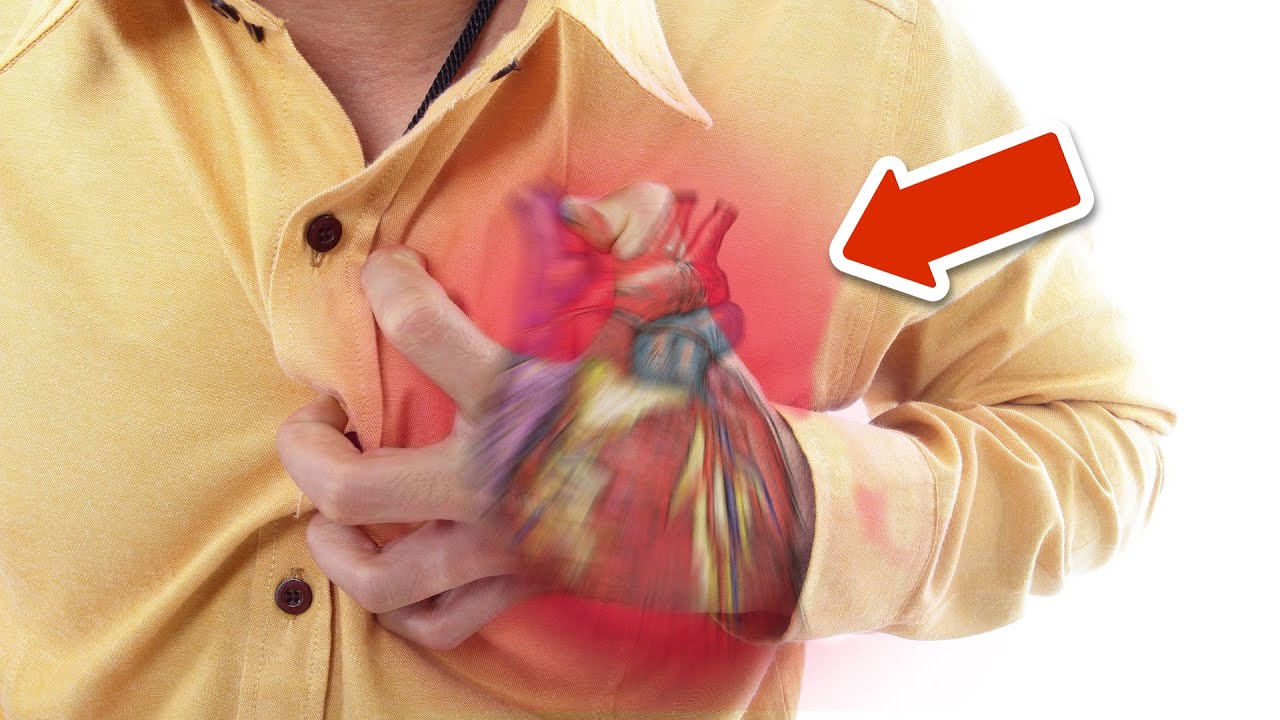
5 Signs of a Silent Heart Attack You Should Never Ignore for Your Health
Recognizing the Signs of a Silent Heart Attack: Your Essential Guide
- Understanding Silent Heart Attacks
- Common Signs You Shouldn’t Ignore
- Why Silent Heart Attacks Occur
- Mistakes to Avoid
- Frequently Asked Questions
The idea of a heart attack evokes a sense of urgency, yet not all heart attacks announce themselves with clear symptoms. Many individuals experience a silent heart attack, which can be particularly concerning since it often goes unnoticed until it’s too late. You might find yourself questioning your health after noticing slight discomfort or fatigue, unsure if they signify a deeper issue. Understanding the warning signs can empower you to take charge of your well-being. Keep reading to uncover what you need to know.
Understanding Silent Heart Attacks
A silent heart attack often flies under the radar, leading individuals to mistakenly dismiss its implications. Unlike a typical heart attack, which may present severe pain or noticeable symptoms, a silent heart attack can occur with minimal warning. This subset of heart attacks mainly affects those with diabetes and women, although it can happen to anyone.
What Are the Risks?
- Increased risk factors, like high blood pressure or high cholesterol.
- Stress and lifestyle choices impact heart health significantly.
- Genetics and family history play a crucial role.
Why They’re Often Missed
Many of these events can be mistaken for common issues, such as indigestion or anxiety. Additionally, subtle symptoms might not prompt an immediate medical consultation, thus prolonging the risk.
Common Signs You Shouldn’t Ignore
Identifying the signs of a silent heart attack can be life-saving. Here are some key indications that could point to a serious problem.
1. Unexplained Fatigue
If you find yourself unusually fatigued without any lifestyle changes, it could be a sign of trouble. This happens because the heart is not effectively pumping blood, making simple tasks feel overwhelming.
2. Mild Chest Discomfort
Watch for sporadic sensations of pressure or tightness in your chest area. It may feel like heartburn or a heaviness that doesn’t seem to correlate with usual causes.
3. Shortness of Breath
Even mild exertion leading to breathlessness can signal a problem. If activities you once did easily now leave you gasping for breath, pay close attention.
4. Pain in the Neck or Jaw
While many associate chest pain with heart attacks, discomfort may also radiate to other areas, such as the neck, jaw, or even the back. These can be subtle signs that shouldn’t be overlooked.
5. Cold Sweats
Experiencing sudden, unexplained sweating can be an indication that something is amiss. This occurs when the body is under stress due to insufficient blood flow.
Why Silent Heart Attacks Occur
Understanding why silent heart attacks take place can help you maintain a proactive stance regarding your heart health.
1. Atherosclerosis
This condition, characterized by narrowed arteries, often leads to reduced blood flow to the heart. When an artery becomes blocked, it can cause a silent heart attack.
2. Poor Diet and Lifestyle Choices
Consuming a diet high in saturated fats, sugar, and processed foods can heighten your risk of developing heart issues. Incorporating more whole foods and regular physical activity can counteract these risks.
3. Stress and Emotional Strain
Chronic stress can impact heart health by causing fluctuations in blood pressure and heart rate. Finding effective stress management techniques is crucial for maintaining overall health.
Mistakes to Avoid
Being aware of what to avoid can further your understanding of silent heart attacks. Here are some common mistakes related to heart health:
1. Ignoring Symptoms
Many people casually dismiss symptoms thinking they are minor or temporary, which can delay urgent treatment.
2. Skipping Regular Check-ups
Failing to schedule routine health screenings can lead to unnoticed risk factors, such as high cholesterol or hypertension.
3. Relying Solely on Self-Diagnosis
Simplistically attributing your symptoms to everything but a heart issue can pose serious health risks. Always consult your healthcare provider.
Frequently Asked Questions
What is the difference between a silent heart attack and a regular heart attack?
A silent heart attack often has subtle or no symptoms, leading to later discovery, while a regular heart attack typically presents with pronounced pain and discomfort.
Who is most at risk for silent heart attacks?
Individuals with diabetes, women, and those with a family history of heart disease are at a heightened risk for silent heart attacks.
What should I do if I suspect a silent heart attack?
Seek medical advice immediately if you experience any of the concerning signs, even if they seem mild.
Conclusion
Recognizing the signs of a silent heart attack can greatly influence your health outcomes. Keeping an eye on your body’s signals and maintaining regular check-ups is essential. What measures do you take to ensure your heart health? Your thoughts could inspire others to take action.