9 Foods You Should Eat to Prevent Stroke and Boost Your Health Today!
9 Foods to Eat for Stroke Prevention and Enhanced Health
- Introduction
- Benefits of Eating Nutrient-Rich Foods
- Top Foods for Stroke Prevention
- Creative Ways to Add These Foods to Your Diet
- Common Mistakes to Avoid
- FAQ
- Conclusion
Introduction
Have you ever noticed fatigue after a meal, or found yourself battling health concerns that seem unavoidable? Your diet can have a significant impact on your overall well-being, and even on the risk of serious conditions like stroke. While it may be easy to overlook, making simple adjustments to the foods you consume can lead to profound effects on your health. Let’s explore how specific foods can help you improve your health and reduce the chances of stroke.
Benefits of Eating Nutrient-Rich Foods
Incorporating a variety of nutrient-rich foods into your meals can greatly enhance your health. Here are some key benefits:
- Boosts immunity: Vitamin-rich foods support your body’s defenses against illness.
- Improves heart health: Foods high in antioxidants and healthy fats can lower blood pressure and reduce cholesterol.
- Supports brain function: Certain nutrients play a vital role in maintaining cognitive health and preventing neurological disorders.
1. Essential Nutrients
Focus on including foods rich in omega-3 fatty acids, antioxidants, vitamins, and minerals. These nutrients are crucial for maintaining your overall health.
2. Heart Health
Maintaining a healthy heart is vital for preventing stroke. Foods that are low in saturated fat and high in fiber tend to support heart health.
3. Cognitive Support
Your brain relies on nutrients to function optimally. Foods that are rich in flavonoids and omega-3s, for example, have been linked to improved brain health.
Top Foods for Stroke Prevention
There are several foods known to help reduce stroke risk. Here’s a list to guide your meal planning:
- Berries: Blueberries and strawberries boost brain health with their high antioxidant content.
- Leafy Greens: Spinach, kale, and Swiss chard are rich in vitamins K and folate, vital for heart health.
- Fatty Fish: Salmon, mackerel, and sardines provide essential omega-3 fatty acids.
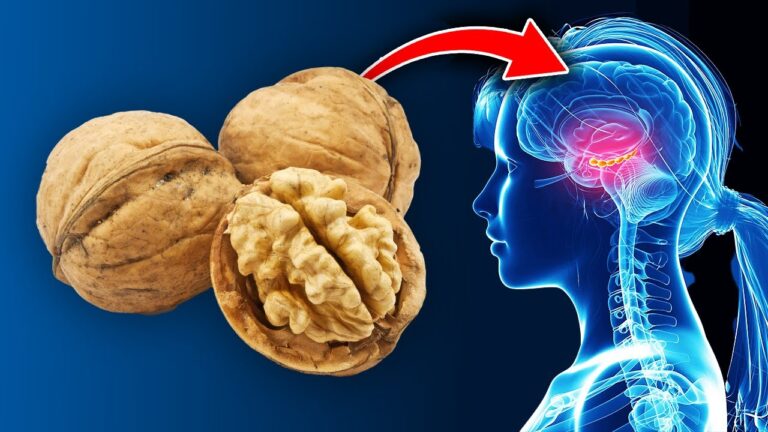
- Nuts: Almonds, walnuts, and pistachios are packed with healthy fats and contribute to heart disease prevention.
- Whole Grains: Oats, quinoa, and brown rice are fiber-rich options that can help lower cholesterol.
1. Including Berries in Your Diet
Consider adding a handful of berries to your breakfast or snacks. They can enhance your smoothies or become a delightful topping on yogurt.
2. Variety of Leafy Greens
You can enjoy leafy greens in salads or cooked dishes, adding them to omelets or stir-fries for an extra health boost.
3. Preparing Fatty Fish
Try grilling or baking fatty fish. Pair it with whole grains for a nutritious meal that’s easy to make.
Creative Ways to Add These Foods to Your Diet
Incorporating these foods into your daily meals can be simple and enjoyable. Here are some creative suggestions:
- Snack Ideas: Use mixed nuts and berries for energy-boosting snacks that are perfect for on-the-go.
- Flavorful Breakfasts: Add leafy greens to your smoothies or omelets for a nutritious start to your day.
- Simple Lunch Options: Create grain bowls with whole grains, greens, and a protein source like fish for balanced meals.
1. Smoothie Combinations
Blend berries, spinach, and a source of healthy fat like avocado for a refreshing drink that packs a punch.
2. Salads with Purpose
Design your salads with a variety of colorful vegetables, nuts, and a source of protein to fill you up and keep you healthy.
3. Dinner Delights
Combine whole grains with grilled vegetables and fatty fish to create a filling and heart-healthy dinner.
Common Mistakes to Avoid
As you embark on a journey toward better health, here are some mistakes to keep in mind:
- Avoid relying solely on supplements instead of obtaining nutrients from whole foods.
- Don’t skimp on portion sizes of healthful foods; moderation is key, but variety is essential.
- Don’t overlook the importance of hydration, which can enhance overall health and well-being.
- Be cautious of hidden sugars in seemingly healthy foods, which can counteract your health goals.
FAQ
What are the best foods to prevent stroke?
Foods such as fatty fish, leafy greens, berries, nuts, and whole grains are considered the best for stroke prevention due to their rich nutritional profiles.
How can I incorporate more healthy foods into my diet?
Start by gradually adding these foods to your meals. You can make smoothies, salads, and snacks that feature nutrient-rich items.
Why is fiber important for stroke prevention?
Fiber helps regulate cholesterol levels and contributes to heart health, reducing the risk of stroke when included in a balanced diet.
Conclusion
Eating a variety of nutrient-rich foods can significantly contribute to stroke prevention and overall health. By focusing on incorporating these foods, you’re taking powerful steps toward better well-being. What are some of your favorite healthy foods that you enjoy in your meals?