Easy, Delicious Light Zucchini and Tuna Terrine Recipe
“`html
Easy, Delicious Light Zucchini and Tuna Terrine Recipe
The Zucchini and Tuna Terrine is exactly the kind of dish I love to prepare when the warm days arrive. It’s a light, flavorful starter that’s easy to serve and stunning enough to give the impression of a sophisticated meal without spending the entire afternoon in the kitchen. This recipe checks all the boxes for a great family summer dish: well-drained canned tuna, tender zucchini, eggs for a fluffy texture, a touch of cream for richness, lemon for freshness, and herbs to delicately flavor each slice.
Serving Suggestions
This Zucchini and Tuna Terrine is best served cold, sliced beautifully and accompanied by a green salad, cherry tomatoes, a citrus yogurt sauce, or simply a drizzle of olive oil. It’s practical, affordable, and comforting—perfect for a light lunch, a casual dinner, a cold buffet, or an elegant picnic.
What I particularly appreciate about this savory terrine is its balance. Tuna provides flavor and protein, while the zucchini adds moisture and softness. The eggs help bind it all together, and the cream adds a smooth finish. With proper preparation, you can achieve a tender, fresh, and never dry texture, ensuring the tuna is well-drained, and the zucchini is either sautéed or lightly pre-cooked to prevent excess moisture. This small effort makes a world of difference; a successful terrine should be moist but not soggy.
The Zucchini and Tuna Terrine also serves as a fantastic stress-relief recipe. It can be prepared the day before, stored well in the refrigerator, and even improves in flavor after a few hours, allowing the ingredients to meld beautifully. So it’s a delightful ally for family meals, summer gatherings, and occasions where you want to enjoy time with your guests instead of being stuck in the kitchen.
In this first section, I’ll guide you step-by-step on how to create a flavorful, well-textured, and visually pleasing terrine. We’ll cover a quick recipe overview, reasons to love this dish, secrets to its balance, precise ingredients, selection tips, useful equipment, pre-preparation advice, and detailed steps for achieving a fresh, fluffy, and delicious terrine.
Quick Recipe Overview for Zucchini and Tuna Terrine
- Recipe Name: Zucchini and Tuna Terrine
- Dish Type: Cold Starter, Light Dish, Summer Recipe
- Cuisine: Family, French, Mediterranean
- Servings: 6
- Preparation Time: 25 minutes
- Cooking Time: 45 minutes
- Chill Time: Minimum 4 hours
- Total Time: About 5 hours 10 minutes
- Difficulty: Easy
- Cost: Budget-friendly
- Estimated Calories: About 210 kcal per serving
- Texture: Fluffy, fresh, tender
- Ideal Season: Spring, Summer, Early Fall
- Make Ahead: Yes, best if made the day before
- Storage: 2 to 3 days in the refrigerator
Why You Will Love This Zucchini and Tuna Terrine
You will love this recipe because it is simple, practical, and incredibly versatile. It doesn’t require complicated techniques, rare ingredients, or constant supervision. Just a handful of everyday products create a refreshing, generous terrine perfect for any occasion. This dish is an ideal option when you’re looking for a light starter that steps away from traditional salads. A slice of cold terrine with a homemade sauce, some crunchy vegetables – suddenly your meal feels much more sophisticated!
Additionally, it offers the convenience of being prepared in advance, making it a real comfort for family meals. You can bake the terrine the day before, let it cool, store it in the fridge, and the next day, simply unmold, slice, and serve. No last-minute cooking, no stress, and less dishwashing when the moment comes to eat.
The Zucchini and Tuna Terrine is also an excellent way to enjoy zucchini in a different light. Commonly used in casseroles, stir-fries, or soups, the zucchini here provides a smooth and moist texture that lightens up the tuna. It blends seamlessly into the dish without overpowering, making it appealing even to those who may not be avid vegetable lovers.
Moreover, it’s an economical choice. Canned tuna, eggs, cream, and zucchini are all commonly found, budget-friendly ingredients that, once combined and well-seasoned, create a delightful, balanced, and beautifully presented dish.
Finally, this terrine is customizable. You can flavor it with dill, parsley, chives, basil, a hint of mild curry, a touch of mustard, diced bell peppers, sun-dried tomatoes, or even a dash of cream cheese. The base is reliable, allowing everyone to adapt it to their taste.
Ingredients for Zucchini and Tuna Terrine
This recipe serves 6, using a loaf pan approximately 24 cm in size.
Main Ingredients
- Drained canned tuna: 280 g
- Zucchini: 2 medium, about 450 g
- Eggs: 4
- Thick or semi-thick cream: 200 ml
- Fine breadcrumbs: 35 g
- Sweat onion or shallots: 1 small onion or 2 shallots
- Garlic: 1 small clove
- Olive oil: 1 tablespoon
- Lemon juice: 1 tablespoon
- Mild mustard: 1 teaspoon
- Finely chopped fresh parsley: 2 tablespoons
- Finely chopped fresh chives: 2 tablespoons
- Fine salt: about ¾ teaspoon
- Black pepper: to taste
- Sweet paprika: ½ teaspoon
For the pan
- Butter or neutral oil: a bit for greasing
- Parchment paper: 1 strip, optional but recommended
For serving
- Lemon: 1, cut into wedges
- Green salad: 1 large bowl
- Cherry tomatoes: 250 g
- Citrus yogurt sauce: to taste
- Fresh herbs: a few sprigs
Choosing Quality Ingredients
Selecting Tuna
For this recipe, choose canned tuna in natural juice rather than oil. The natural tuna yields a lighter, fresher terrine that absorbs the flavors of lemon, herbs, and cream better. While oil-packed tuna can be used, it may render the terrine richer and sometimes heavier, particularly if the oil isn’t thoroughly drained.
Opt for quality tuna with firm pieces and a pleasant aroma. Overly shredded or salty tuna can imbalance the recipe. After opening, drain it in a colander for several minutes, then gently press it with the back of a spoon. This step is vital to avoid a soggy terrine.
Selecting Zucchini
Medium-sized zucchinis are ideal for this terrine. They are tender, less fibrous, and have fewer seeds than larger zucchinis. Their thin skin can be left on for appealing green flecks in the terrine. Wash thoroughly, trim the ends, and then grate or cut into small cubes.
If using a large garden zucchini, cut it in half and remove the spongy core if necessary, as it holds a lot of water that could compromise the terrine’s stability. Instead, use the firm flesh.
Selecting Eggs
Fresh eggs are crucial as they form the base of the mixture. Medium or large eggs work well. Take them out of the fridge a few minutes before use for easier mixing with the cream.
Selecting Cream
Thick cream gives a generous, velvety texture. Semi-thick cream also works, while lighter versions can be used for a healthier option. Avoid too runny creams as they can destabilize the mixture. Greek yogurt or quark can partially replace cream, but the texture will be slightly different—more tangy and less creamy.
Selecting Herbs
Parsley and chives are reliable choices. They add freshness without muddling the flavor of the tuna. Dill is also a delightful option if you enjoy a marine note. Basil gives a lovely summery touch when paired with zucchini. Fresh herbs are preferable for their aroma and visual appeal.
Essential Equipment Needed
- 1 loaf pan approximately 24 cm
- 1 large skillet
- 1 mixing bowl
- 1 coarse grater or cutting board with a knife
- 1 colander
- 1 fork
- 1 whisk
- 1 flexible spatula
- 1 baking dish larger than the loaf pan for a water bath
- Parchment paper
- Aluminum foil, optional
- 1 sharp knife for unmolding
- 1 cutting board
The loaf pan is the most practical format, allowing for beautiful, even slices. Parchment paper greatly facilitates unmolding—just place a strip at the bottom with two edges protruding as handles. Once the terrine is fully chilled, you can lift it out easily. The water bath is recommended for gentle cooking, improving the texture. Without it, the terrine may cook too quickly on the edges and remain fragile in the center.
Preparation Steps Before Starting
Before mixing the ingredients, take a few minutes to organize your workspace. This step makes the recipe much more fluid and helps avoid any omissions.
First, preheat the oven to 170°C (340°F) in convection mode, or 180°C (360°F) in conventional mode. Next, prepare the loaf pan: lightly grease it with butter or a little oil, then place a strip of parchment paper in the bottom. This precaution is especially helpful for achieving a clean unmolding.
Drain the tuna in a colander. Let it sit for several minutes, then gently press it to remove excess liquid. Flake it with a fork in a separate plate until finely shredded but not mashed.
Wash the zucchinis, trim the ends, and grate them with a coarse grater. Alternatively, cut them into very small cubes for a more visible texture. The grated version yields a more homogeneous and tender terrine, while small cubes give a rustic and colorful finish.
Peel the onion or shallots and chop finely. Peel the garlic, remove the germ if needed, and mince finely. Chop the parsley and chives. Prepare lemon juice, mustard, breadcrumbs, and spices at hand.
Heat water for the water bath; it should be warm but not necessarily boiling when you pour it around the pan. This organization allows you to bake quickly once the terrine mixture is assembled.
Step-by-Step Preparation of the Zucchini and Tuna Terrine
Step 1: Sauté the Zucchini
Heat one tablespoon of olive oil in a large skillet. Add the chopped onion or shallots and sauté for 2 to 3 minutes over medium heat until translucent, ensuring they do not brown but soften to release their aroma. Add minced garlic and stir for 30 seconds; garlic burns quickly, so avoid cooking it for too long alone. Immediately incorporate the grated or diced zucchini, adding a light pinch of salt to help release moisture, and cook for 7 to 10 minutes, stirring regularly.
The zucchini should become tender and lose some liquid. If any liquid appears in the skillet, continue cooking for a few more minutes until evaporated. This step is essential for achieving a well-holding terrine. Overly moist zucchini can prevent the mixture from setting properly, resulting in a watery texture after cooling.
Once the zucchini is cooked, remove the skillet from the heat and allow it to cool for a few minutes. Avoid adding them to the eggs while still hot, as they may start to curdle the mixture early. If they seem very moist, transfer them to a colander and gently press them.
Step 2: Prepare the Egg and Cream Mixture
In a large mixing bowl, crack the 4 eggs. Whisk for a few seconds just to combine the yolks and whites. Add the thick cream, mustard, lemon juice, paprika, salt, and pepper. Whisk again until the mixture is smooth and homogeneous.
The mustard should not dominate. Its role is to subtly enhance the tuna flavor and provide depth. Sweet paprika adds warmth and an appetizing color without excessive spiciness. You can substitute with a small pinch of Espelette pepper if you prefer stronger flavors.
Next, incorporate the breadcrumbs and mix. Let it rest in the bowl for 2 minutes: the breadcrumbs will start absorbing some moisture, contributing to the terrine’s stability.
Step 3: Incorporate the Tuna
Add the drained and flaked tuna to the bowl. Use a spatula or fork to mix thoroughly, ensuring it is well distributed. Take time to break up any larger chunks. The mixture should remain textured yet consistent.
Taste a bit to check the seasoning balance: tuna may already be salty, mustard adds character, and cream rounds it out. It’s better to season gradually instead of overdoing it from the start. A cold terrine will often taste a bit milder than a hot preparation, hence the seasoning should be present yet not overpowering.
Step 4: Add the Zucchini and Herbs
Once the zucchini has cooled, add it to the bowl. Gently mix to distribute throughout the mixture. Then add the chopped parsley and chives. The consistency should be soft, thick, and well-filled.
Observe the texture: it should resemble a dense savory custard mixture. If it appears too liquidy, add an additional tablespoon of breadcrumbs. Conversely, if it seems too thick, add a tablespoon of cream. These small adjustments may depend on egg sizes, zucchini moisture, and tuna drainage.
Step 5: Fill the Loaf Pan
Pour the mixture into the prepared loaf pan. Smooth the top with a spatula. Gently tap the pan on the counter to release any air bubbles and distribute the mixture evenly.
Avoid filling the pan to the brim if it is small; leave at least a 1 cm margin, as the terrine may puff up slightly during cooking and then sink back down upon cooling. If you have extra mixture, pour it into a small buttered ramekin to make a mini portion for tasting.
Step 6: Set Up the Water Bath
Place the loaf pan inside a larger baking dish. Pour warm water into the larger dish, surrounding the loaf pan up to halfway. Be careful not to let any water enter the terrine itself.
The water bath should encase the pan without overflowing, allowing for gentle, even cooking. If you’re worried about the top browning too quickly, you may loosely cover the pan with aluminum foil during the first 30 minutes, ensuring it doesn’t touch the mixture directly.
Step 7: Bake the Terrine
Bake for about 45 minutes. The exact timing will depend on your oven, the size of the loaf pan, and the moisture in the zucchini. The terrine is done when the edges have set, the center jiggles slightly, and a thin blade inserted in the center comes out clean or slightly moist but without any liquid mixture.
Avoid overbaking, as this will result in a dry, compact texture. The goal is to achieve a firm yet tender result. If the top colors too much, reduce the temperature slightly or cover with aluminum foil.
Step 8: Proper Cooling
Once out of the oven, carefully remove the pan from the water bath. Place it on a cooling rack or trivet and allow it to cool at room temperature for at least 1 hour. Do not unmold the hot terrine, as it will be too fragile and may break apart.
Once it’s lukewarm or cool, cover the pan and place it in the refrigerator for a minimum of 4 hours. For best results, let it rest overnight. This chilling time is crucial for achieving a clean slice and ensuring a stable texture.
Step 9: Unmold and Slice
When the Zucchini and Tuna Terrine is well chilled, run a thin knife along the edges of the pan if necessary. Gently lift it out using the parchment paper or turn the pan upside down onto a plate, depending on what works best for you.
Use a sharp knife to cut the terrine into even slices. For the cleanest cuts, wipe the blade between each cut. Serve well chilled, with lemon wedges, some chopped herbs, and a crunchy salad.
Signs of a Successful Zucchini and Tuna Terrine
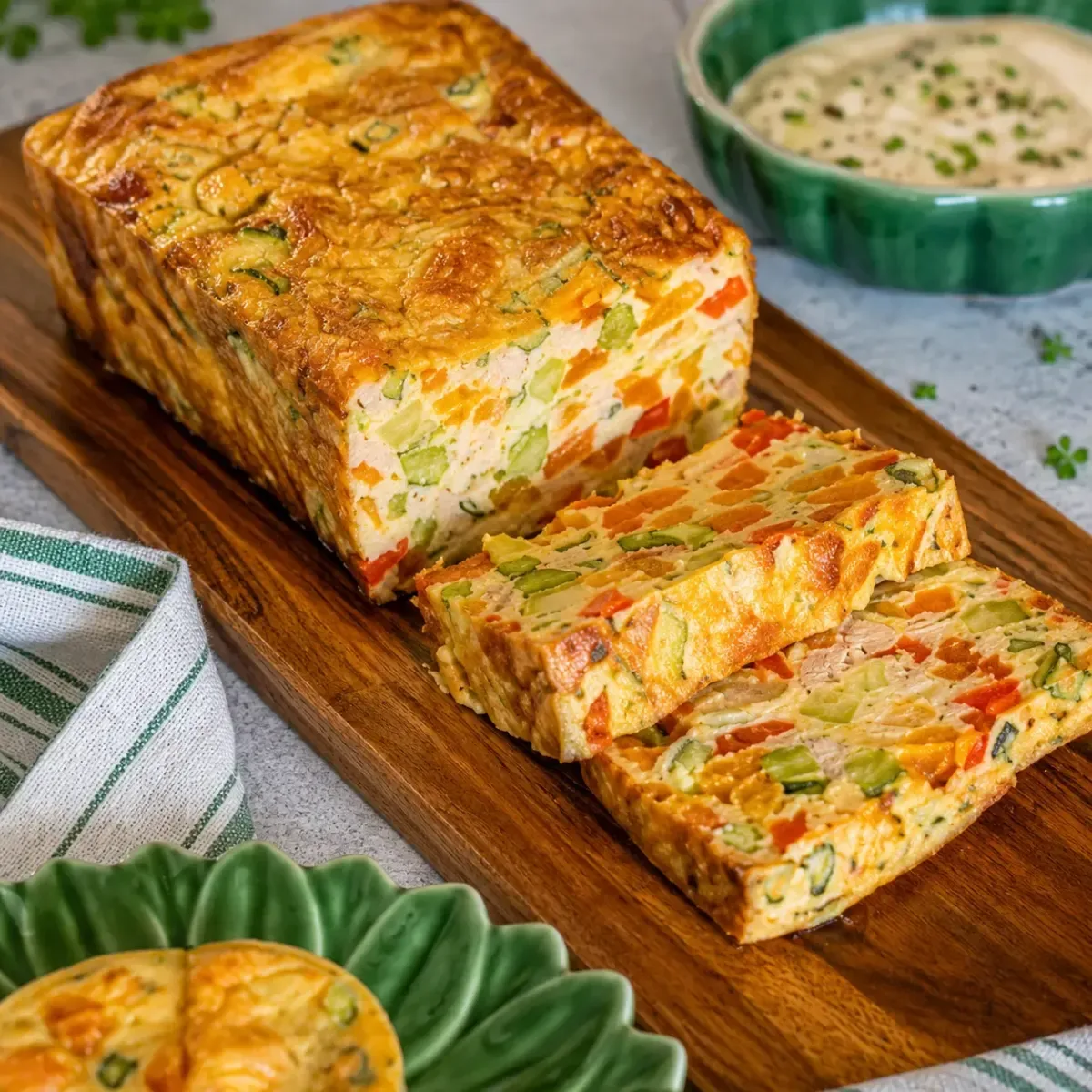
A successful Zucchini and Tuna Terrine will hold its shape well. When unmolded, it should retain a lovely cake-like form without collapsing or cracking. It can be slightly soft, embodying the fluffy texture of a terrine, but it should slice cleanly into equal pieces.
The texture should be uniform, with attractive green flecks of zucchini, evenly distributed tuna pieces, and a light, appetizing color, slightly golden on top. If a slice holds on the plate without releasing water, that’s an excellent sign—the zucchini has been correctly precooked, and the tuna well-drained.
In terms of flavor, the terrine should be fresh, tender, and aromatic. You should taste the tuna without it being dry or excessively salty. The zucchini should add softness, the cream a smooth richness, the herbs a delicate hint, and the lemon a refreshing bite. A good Zucchini and Tuna Terrine is neither as compact as a loaf nor as wet as an overly moist flan; it should strike a balance between both, with a firm yet tender and delicate texture.
Another important sign is that it should taste even better after resting. If tasted the next day, the flavors should be more harmonious. The cooling process firms up the dish, while also enhancing the aromas; the lemon, chives, parsley, and mustard blend beautifully with the tuna and zucchini after a few hours in the refrigerator.
Chef Tips for Elevating Your Zucchini and Tuna Terrine
Removing Excess Moisture from Zucchini
The most important secret is managing moisture. Zucchini is delicious and soft, but rich in water. For a well-holding terrine, avoid adding it raw in large quantities. Sauté it until it loses its moisture, then let it cool before mixing it with the eggs.
If your zucchinis are especially watery, you can grate them, lightly salt them, let them drain in a colander for 10 minutes, then gently press them between clean hands or in a thin cloth before sautéing. This technique yields a cleaner texture and intensifies the flavor.
Carefully Drain the Tuna
Natural tuna should be well-drained. Don’t just quickly empty the can; pour the tuna into a colander, let it drain, then lightly press with the back of a spoon. Excessive moisture will dilute the mixture and can make the terrine fragile. Flaking the tuna with a fork ensures a finer texture that distributes evenly throughout the terrine.
Season More Than for a Hot Dish
Cold dishes often require slightly stronger seasoning, as cold temperatures can dull flavors. This doesn’t mean over-salting, but finding a balanced flavor profile. Lemon, herbs, pepper, mustard, and paprika are crucial for preventing a bland terrine.
Tasting a preparation with raw eggs is not advisable. Instead, rely on proportions: a little salt, pepper, a touch of mustard, lemon, and fresh herbs usually suffice to add character to the dish.
Emphasize Chilling
Resting is not optional. A Zucchini and Tuna Terrine fresh from the oven should cool gently, then be left in the refrigerator for several hours. Attempting to slice it too soon may result in it crumbling or leaking juices. For impeccable results, prepare it the day before. The following day, it will be firmer, more flavorful, and much easier to present. One of this recipe’s biggest advantages is that it benefits from time.
Add a Fresh Sauce When Serving
Even if the terrine is soft, a cold sauce complements it beautifully. Mix Greek yogurt or quark with a splash of lemon, a drizzle of olive oil, chopped chives, salt, and pepper for a fresh sauce that enhances the dish’s gourmet appeal.
You can also prepare a cream cheese sauce, a light lemony mayonnaise, or an herbed sauce. The key is to maintain freshness without weighing down the terrine.
Mistakes to Avoid with Zucchini and Tuna Terrine
The first mistake is failing to precook the zucchini. While it may seem quicker, raw zucchini releases a lot of water during cooking, resulting in a soggy, fragile, and less pleasant-to-eat terrine.
The second mistake is not draining the tuna properly. A can of tuna often contains more liquid than expected. This liquid, combined with the zucchini’s moisture, disrupts the mixture. Each ingredient must be meticulously managed for a clean terrine.
The third mistake is overcooking the terrine. Cooking it too long leads to a dry and compact texture. The terrine should be set but still tender. Monitor the end of cooking closely; the center should be just firm, without any visible liquid.
The fourth mistake is unmolding too early. A warm terrine is fragile; it needs time to cool to stabilize. Chilling allows the eggs, cream, tuna, and vegetables to form a cohesive texture.
The fifth mistake is neglecting seasoning. Both the tuna and zucchini are mild in flavor. Without lemon, herbs, pepper, and a dash of mustard, the terrine may lack character. It should be delicately but boldly flavored.
Finally, avoid cutting slices that are too thin. Homemade terrine slices should be about 1.5 to 2 cm thick, giving a more appealing, stable, and generous presentation on the plate.
Delicious Variations of Zucchini and Tuna Terrine
Zucchini and Tuna Terrine with Sun-Dried Tomatoes
Add 5 to 6 well-drained sun-dried tomato petals, chopped finely. They bring a Mediterranean, slightly sweet, and intense flavor. Reduce the salt a bit, as sun-dried tomatoes can be salty.
Zucchini and Tuna Terrine with Fresh Cheese
Replace 50 ml of cream with 80 g of fresh cheese like Saint Môret, ricotta, or mild fresh goat cheese. The texture will become even creamier with a slightly dairy flavor; fresh goat cheese pairs particularly well with zucchini and herbs.
Zucchini and Tuna Terrine with Mild Curry
Add ½ teaspoon of mild curry powder to the mixture. This variation brings a warmer color and delicately spicy aroma, and it pairs wonderfully with a yogurt and lime sauce.
Zucchini and Tuna Terrine with Bell Pepper
Incorporate ½ finely diced red bell pepper sautéed with the zucchini for added color, sweet flavor, and a summery touch. Ensure to chop it finely to maintain an enjoyable texture.
Zucchini and Tuna Terrine without Cream
For a lighter version, replace the cream with thick yogurt or quark. The terrine will be less rich but fresher and slightly tangy. Choose a very thick texture to prevent the mixture from being too runny.
Mediterranean Zucchini and Tuna Terrine
Add basil, some chopped black olives, a little lemon zest, and a pinch of oregano for a version that evokes summer meals, salads, and family cold buffets.
Personalization Ideas
The Zucchini and Tuna Terrine is highly adaptable based on what you have at home. For a more herbal variation, increase the amount of chives, adding dill or fresh basil. For a spicier flavor, incorporate a pinch of Espelette chili or some white pepper.
You can also play with the texture. If you prefer a very smooth terrine, finely grate the zucchini and carefully flake the tuna. For a more rustic texture, cut the zucchini into small cubes and leave some tuna pieces a little larger.
For a festive touch, include a few chopped pink shrimp or a thin layer of grilled zucchini in the center of the terrine. You can also sprinkle fresh herbs on top just before serving.
For a more filling and hearty version, serve it with cold steamed potatoes, a rice salad, or toasted bread. It becomes a completely light yet satisfying summer dish.
Accompaniments for Zucchini and Tuna Terrine
This terrine pairs perfectly with a crunchy green salad dressed with lemon or cider vinegar. The salad’s freshness balances the softness of the terrine.
Tomatoes are another excellent option. Halved cherry tomatoes, a few wedges of heirloom tomatoes, a drizzle of olive oil, some fleur de sel, and basil create a simple and very summery plate.
You can also serve the Zucchini and Tuna Terrine with raw vegetables: cucumber, radishes, grated carrots, young greens, finely sliced fennel, or shredded cabbage. This adds crunch and color to the dish.
For a complete meal, serve it with new potatoes, herb-infused cold rice, lemon-flavored quinoa, or a light pasta salad. It can replace warm meat or fish in a summer lunch.
For sauce, a citrus yogurt is the most natural choice. Mix 150 g of Greek yogurt, 1 tablespoon of lemon juice, 1 tablespoon of olive oil, chopped chives, salt, and pepper, serving well-chilled alongside the terrine.
Presentation Tips
For a family-style presentation, unmold the terrine onto a long dish, then decorate the top with a few sprigs of chives, thin lemon slices, and parsley leaves. Surround it with cherry tomatoes, salad leaves, and a few lemon wedges.
For a more elegant plate, serve one slice of terrine in the center, add a spoonful of sauce to the side, a few young greens, three cherry tomatoes, and a drizzle of olive oil. A fresh grind of pepper and some herbs provide a nice finish.
For a buffet, cut the terrine into thick slices and layer them slightly on a large platter. Add small bowls of sauces around: citrus sauce, herbed sauce, light mayonnaise, or dill yogurt.
If preparing this recipe for a picnic, transport the entire terrine well-chilled, wrapped in its pan or in an airtight container. Cut it on-site with a sharp knife; it’s easier to carry whole than in slices.
Storage, Freezing, and Reheating
The Zucchini and Tuna Terrine keeps for 2 to 3 days in the refrigerator if covered or placed in an airtight container. It should stay cool until serving, especially in the warm months. Take it out about 10 minutes before enjoying for enhanced flavor but avoid leaving it out for too long.
For storage, avoid leaving it uncovered in a dish, as it might dry out on the surface and absorb odors from the fridge. A plastic wrap, suitable lid, or airtight container works best.
Freezing is possible, but not ideal. The zucchini and eggs may slightly alter the texture post-thaw. The terrine might leak some water and become less tidy when sliced. If you do freeze it, pack it in individual portions, tightly wrapped in plastic before placing it in a freezer bag. Thaw slowly in the refrigerator.
This terrine is meant to be enjoyed chilled. If reheated, it will lose its primary appeal: its fresh texture and lightness. Alternatively, you could serve a slice at room temperature with a salad, but avoid microwaving as it will become rubbery.
Make-Ahead Preparation
The Zucchini and Tuna Terrine is perfect for preparing ahead of time. Ideally, make it the day before serving. After baking, let it cool completely, cover the pan, and refrigerate overnight. On the day of serving, unmold it just before or a few hours ahead, keeping it covered and chilled. Add decorations, fresh herbs, and lemon wedges just before serving to maintain a tidy appearance. You can also prep some ingredients in advance: grate and cook the zucchini, drain the tuna, chop the herbs, and prepare the sauce. The following day, it only requires assembling and baking. However, for maximum convenience, baking the entire terrine the day before is the best option.
Approximate Nutritional Values
The following values are indicative for one serving, based on 6 portions.
- Calories: 210 kcal
- Protein: 18 g
- Carbohydrates: 7 g
- Fats: 12 g
- Fiber: 2 g
- Sugars: 3 g
- Salt: 0.8 g
The Zucchini and Tuna Terrine is a worthwhile choice for a light meal, as it provides protein from the tuna and eggs while incorporating a low-calorie, gentle vegetable. The cream adds creaminess, but the quantity remains reasonable for 6 servings.
To lighten the dish further, use light thick cream or replace part of the cream with yogurt. For a more filling version, pair the terrine with boiled potatoes, brown rice, or a quinoa salad.
SEO FAQ on Zucchini and Tuna Terrine
Can you prepare Zucchini and Tuna Terrine the day before?
Yes, it is even recommended. The Zucchini and Tuna Terrine improves after several hours in the refrigerator. The resting time allows the texture to firm up and the flavors to develop better. Prepare it the day before, keep it covered in the fridge, and unmold it on the serving day.
Why does my terrine release water?
A terrine that releases water often contains inadequately precooked zucchini or poorly drained tuna. The zucchinis should be sautéed until their moisture evaporates. The tuna must be pressed gently in a colander before adding it to the mixture.
Can this terrine be made without a water bath?
Yes, it is possible, but the water bath gives a softer and more even texture. If not using it, closely monitor the cooking and avoid overly high heat. You can bake the terrine at 160-170°C (320-340°F) to limit drying.
Can I replace tuna with salmon?
Yes, you can substitute tuna with cooked, flaked salmon or well-drained canned salmon. The texture may differ slightly—it will be creamier and richer. Salmon pairs excellently with dill, lemon, and zucchini.
Can I use frozen zucchini?
Yes, but they must be completely thawed and pressed hard to remove moisture. Frozen zucchini tends to release a lot of liquid. Afterward, sauté them to concentrate their flavor before adding to the terrine.
How can I achieve a firm terrine?
For a firm terrine, drain the tuna well, precook the zucchini, adhere to egg quantities, and let it rest for at least 4 hours in the refrigerator. Breadcrumbs also help absorb moisture and improve stability.
Can I make a Zucchini and Tuna Terrine without lactose?
Yes, replace the cream with a thick plant-based cream, such as soy or oat cream. Ensure the texture isn’t too runny; you can add an extra tablespoon of breadcrumbs if needed.
What sauce goes well with this terrine?
A yogurt sauce with lemon and chives is ideal. Other options include cream cheese sauce, homemade light mayonnaise, a dill sauce, or a lemon vinaigrette. The goal is to add freshness without overshadowing the terrine’s flavor.
Can I serve this terrine as a main dish?
Yes, it can work as a light main dish if served with a composed salad, boiled potatoes, cold rice, quinoa, or raw vegetables. Count on two slices per person, depending on appetites.
How long can Zucchini and Tuna Terrine be stored?
It can be stored for 2 to 3 days in the refrigerator, well covered. Keep it cool until served, and avoid leaving it out for extended periods, especially in heat.
Practical Summary of the Zucchini and Tuna Terrine
- Key Step: Drain the tuna carefully to remove excess liquid.
- Prepare the zucchinis: Grate or cut finely, then sauté.
- Mix the batter: Eggs, cream, breadcrumbs, lemon, mustard, and herbs.
- Bake: Approximately 45 minutes in a water bath.
- Cool: Allow to come back to room temperature.
- Rest: Minimum of 4 hours in the refrigerator.
- Serve: Well chilled, with citrus sauce and salad.
The Zucchini and Tuna Terrine is an easy, economical, and highly practical dish. It mainly requires focusing on three points: thorough draining, proper precooking, and adequate chilling. Following these steps guarantees a flavorful, fresh, fluffy, and perfectly suitable dish for summer meals.
Conclusion
The Zucchini and Tuna Terrine is a recipe we cherish in family kitchens: simple to prepare, enjoyable to share, aesthetically pleasing to present, and brimming with freshness. It transforms everyday ingredients into an elegant and tasty starter, perfect for warm days, cold meals, buffets, picnics, or light dinners. Its success relies on a few easy yet crucial steps: properly draining the tuna, sautéing the zucchini to eliminate excess moisture, flavoring the mixture with herbs and lemon, and letting the terrine chill thoroughly. These details make all the difference between an ordinary terrine and one that truly shines. Serve it alongside a crunchy salad, a citrus yogurt sauce, and seasonal tomatoes for a fresh, balanced, and delicious plate that everyone at the table will love. If you enjoy make-ahead recipes, this one definitely deserves a spot in your recipe book.
“`