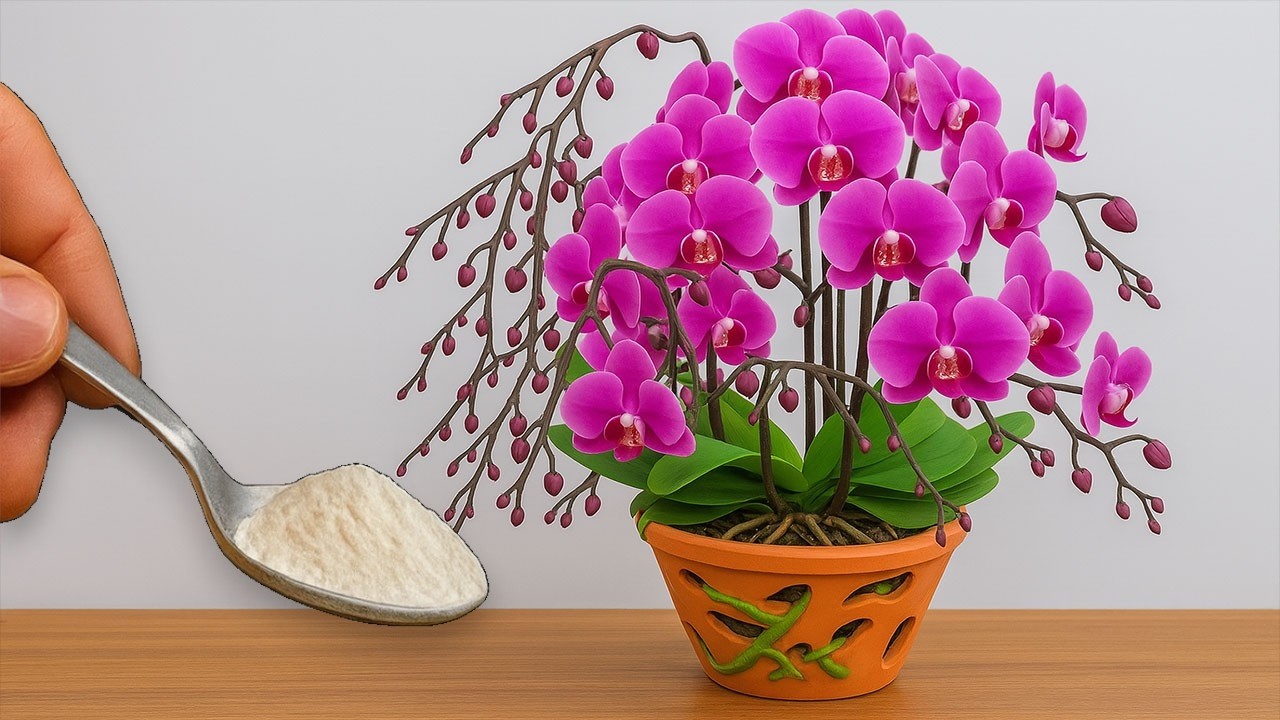
Sprinkle 1 Spoon and Watch Your Orchids Bloom with 100+ Gorgeous Flowers!
Sprinkle 1 Spoon and Watch Your Orchids Bloom with 100+ Gorgeous Flowers!
- Understanding Orchids
- Best Nutrients for Orchids
- Simple Care Tips for Orchids
- Common Mistakes to Avoid
- FAQ
Understanding Orchids
Orchids are renowned for their stunning blooms, yet many struggle to achieve the vibrant flowers they desire. A lack of knowledge about their specific needs can leave you feeling defeated. With over 25,000 species and countless hybrids, understanding how to nurture these plants is critical. They thrive in unique conditions and require tailored care to flourish. Let’s explore why these exquisite flowers require such specialized nurturing and what you can do to make them bloom beautifully.
Best Nutrients for Orchids
Providing your orchids with the right nutrients can mean the difference between sparse blooms and an explosion of flowers. Orchids are epiphytes and extract nutrients from their environment, so understanding their nutritional needs is key.
1. Essential Nutrients
- Nitrogen: Promotes healthy growth and foliage.
- Phosphorus: Encourages blooming and root development.
- Potassium: Strengthens the plant and ensures resilience against diseases.
2. Organic Fertilizers
Consider using organic fertilizers like compost tea or fish emulsion. These provide a slow release of nutrients and improve soil health, making it easier for your orchids to absorb what they need.
3. Dosage Guidelines
When applying fertilizers, always follow the recommended dosage, as over-fertilizing can harm your orchids. Generally, use a diluted solution once a month during the growing season.
Simple Care Tips for Orchids
Proper care can significantly enhance your orchids’ blooming potential. Here are some straightforward steps you can take:
1. Watering Techniques
- Assess Moisture: Check the potting medium before watering; it should be dry at the top.
- Use Room Temperature Water: Cold water can shock the roots.
- Water Less in Winter: Reduce frequency during the dormant season.
2. Ideal Lighting Conditions
Orchids thrive in bright, indirect light. A windowsill that receives filtered sunlight is ideal. Too much direct sun can scorch their leaves, while too little light may hinder flowering.
3. Humidity Levels
Orchids prefer higher humidity levels (between 40-70%). To maintain humidity, consider using a pebble tray filled with water beneath the pot or misting the leaves regularly.
Common Mistakes to Avoid
Even small oversights can impact your orchids’ performance significantly. Understanding these common mistakes can help you keep your plants healthy and thriving.
1. Overwatering
One of the most common issues is overwatering, leading to root rot. Ensure you allow the potting mix to dry out between waterings.
2. Ignoring Temperature Changes
Orchids are sensitive to extreme temperature changes. Always keep them away from drafts or heat sources.
3. Inadequate Potting Medium
Using regular potting soil can suffocate orchid roots. Ensure you use a specific orchid potting mix that allows for proper drainage and aeration.
FAQ
What type of pot should I use for my orchids? It’s best to use pots designed specifically for orchids that have plenty of drainage holes to prevent water accumulation.
How often should I fertilize my orchids? Fertilizing once a month during the growing season is generally sufficient, but follow the specific instructions for the fertilizer you choose.
Why are my orchid leaves turning yellow? Yellowing leaves may indicate overwatering, poor drainage, or insufficient light. Assess your care routine to identify the problem.
Conclusion
By understanding your orchids’ needs and following these care tips, you can enjoy a stunning display of blooms. Have you experienced a particular challenge in caring for your orchids? Share your thoughts in the comments below!