Discover 7 Reasons Orchids Are 100 Times Stronger Than Aloe Vera!
7 Reasons Orchids Are More Resilient Than Aloe Vera
- Introduction
- 1. Exceptional Adaptability
- 2. Diverse Growing Conditions
- 3. Unique Root System
- 4. Natural Pest Resistance
- Common Mistakes
- FAQs
- Conclusion
Introduction
Many gardening enthusiasts might wonder how certain plants thrive in conditions where others struggle. Picture your frustration as you attempt to nurture an Aloe Vera plant, only to watch its leaves wilt. In contrast, orchids seem to flourish effortlessly even in challenging environments. Their remarkable resilience has made them a favorite among both novice and seasoned gardeners. By understanding what makes orchids so strong, you can appreciate their beauty even more. Keep reading to unravel just how these stunning flowers outshine Aloe Vera.
1. Exceptional Adaptability
One significant factor contributing to orchids’ strength is their ability to adapt to various environments. While Aloe Vera prefers certain soil conditions and climate, orchids can thrive in a wide range of circumstances.
Adaptation Techniques
- Orchids can absorb moisture from the air, making them suited for humid environments.
- They can adjust their growth patterns based on light availability, ensuring they receive the necessary sunlight.
Nurturing Your Orchid
- Monitor its surroundings for humidity and adjust accordingly.
- Rotate your orchid pot every few weeks for even light exposure.
2. Diverse Growing Conditions
Orchids can thrive in various habitats, from tropical rainforests to arid areas. This versatility allows them to adjust to inconsistent watering and varying light levels.
Ideal Orchid Environments
- Tropical regions provide high humidity and warmth.
- Some orchids flourish in drier climates, adapting their needs accordingly.
Choosing the Right Orchid for Your Home
When selecting an orchid, consider your home environment. Dendrobiums can handle cooler conditions while Phalaenopsis enjoy warmth. This knowledge ensures your orchid’s success.
3. Unique Root System
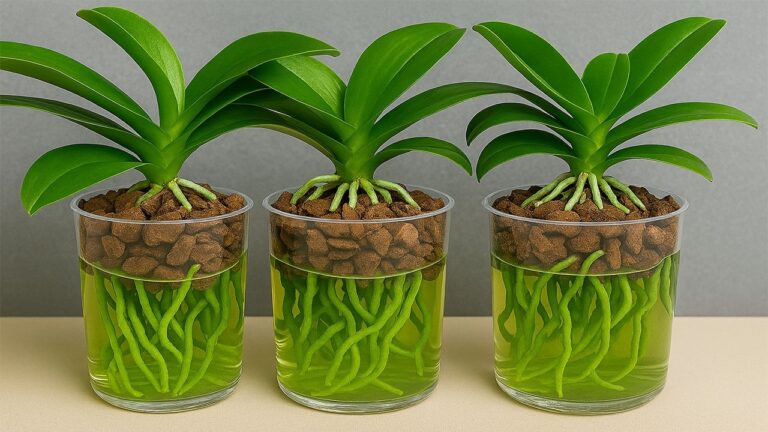
The roots of orchids are notably different from those of Aloe Vera, contributing to their resilience. Unlike conventional roots that primarily absorb nutrients and water, orchid roots have specialized adaptations.
Characteristics of Orchid Roots
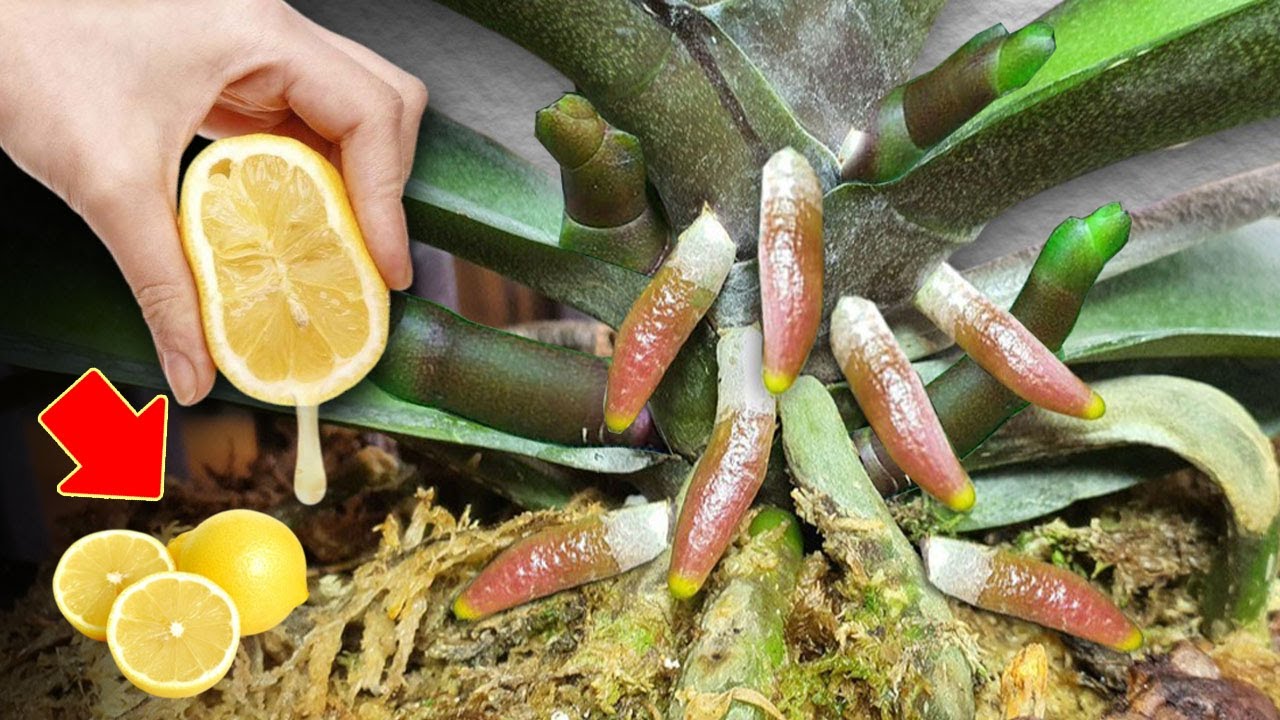
- They are often covered with a spongy layer called velamen that helps with moisture absorption.
- Orchid roots can also photosynthesize, providing extra nourishment.
Caring for Orchid Roots
Ensure you provide a well-draining medium for your orchids. Using bark or coconut husk is ideal, allowing their roots to breathe and thrive.
4. Natural Pest Resistance
Orchids possess natural properties that make them less susceptible to pests and diseases. Aloe Vera may attract certain insects and diseases, which can weaken its resilience.
Beneficial Traits of Orchids
- Some orchids exude chemicals that repel pests.
- Their thick, waxy leaves deter insect feeding.
Maintaining Pest-Free Orchids
- Inspect your orchids regularly for any signs of pests or disease.
- Provide good air circulation around your plants to prevent infestations.
Common Mistakes
Understanding what pitfalls to avoid can keep your orchids thriving. Here are some common mistakes people make that you should steer clear of:
- Overwatering: Orchids require less frequent watering than many houseplants.
- Poor light conditions: Ensure your orchids receive adequate, but not direct, sunlight.
- Using unsuitable potting mediums: Avoid classic potting soil; use orchid-specific mixes for best results.
FAQs
What are the best types of orchids for beginners?
Phalaenopsis and Paphiopedilum orchids are excellent for beginners due to their forgiving nature and ease of care.
How often should I water my orchids?
Generally, water your orchids every 7 to 10 days, allowing the potting medium to dry out between waterings.
Why are my orchid leaves turning yellow?
Yellow leaves can indicate overwatering, poor light conditions, or nutrient deficiencies. Assess your care routine to identify the cause.
Conclusion
Orchids demonstrate their strength through adaptability, unique root systems, and pest resistance. By learning how to care for these resilient plants, you’ll enhance your gardening experience. What aspect of orchid care interests you the most? Share your thoughts in the comments!