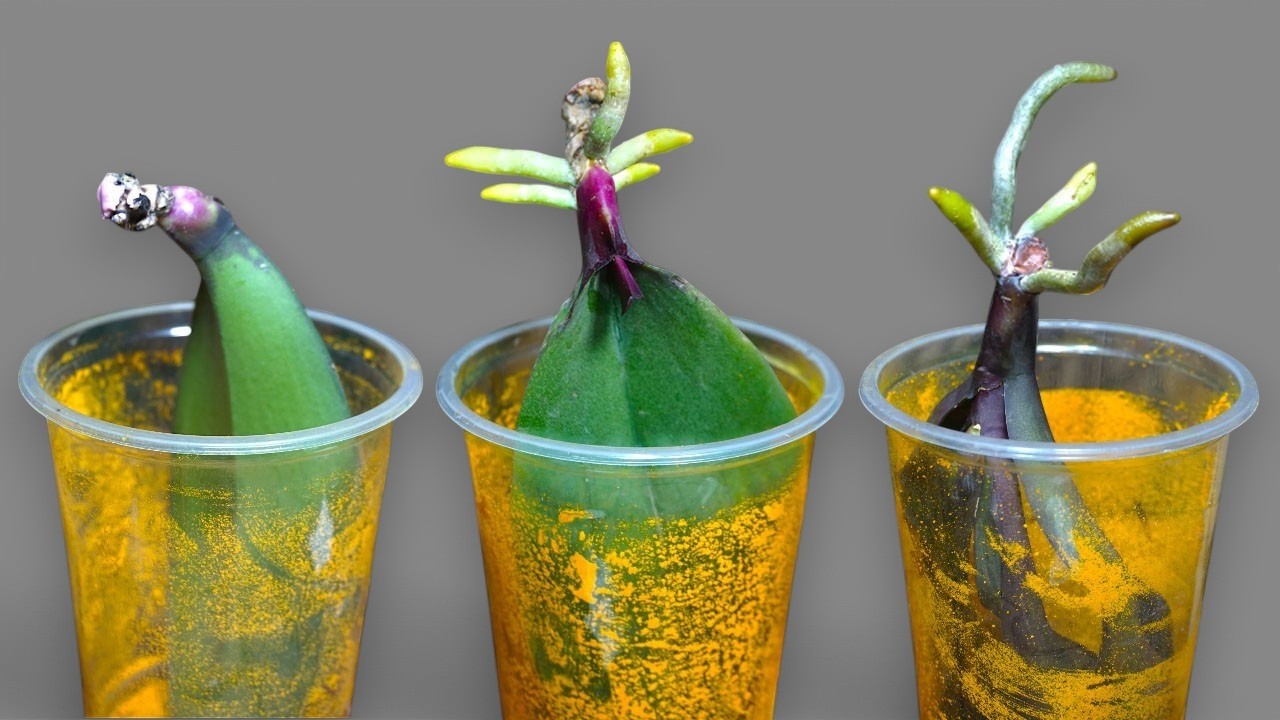
Grow 200% More Orchid Roots with Just Rice for Stunning Blooms!
Grow Twice as Many Orchid Roots with Just Rice
- Introduction
- Benefits of Using Rice for Orchids
- How to Use Rice for Orchid Roots
- Best Rice Variations for Your Orchids
- Common Mistakes to Avoid
- FAQ
- Conclusion
Introduction
If you’ve ever struggled with keeping your orchids healthy and thriving, you’re not alone. Many orchid enthusiasts face challenges when it comes to promoting robust root growth. This can lead to weak blooms and a disappointing overall experience. As you seek solutions to enhance your orchid care routine, consider an unexpected household item that can work wonders. Keep reading to discover how rice can help you grow twice as many orchid roots!
Benefits of Using Rice for Orchids
Using rice for your orchids might seem unconventional, but its benefits are notable. Here are some reasons why this method can enhance your orchid growing experience:
- Nutrient-Rich: Rice provides essential nutrients that stimulate root development.
- Moisture Retention: It retains moisture in the potting mix, providing your orchids with consistent hydration.
- Natural Growth Booster: The starch from rice encourages microbial activity in the soil, promoting healthy root systems.
Enhanced Root Growth
Using rice can result in healthier and more extensive root systems. An increase in root mass leads to better nutrient absorption, which is essential for vibrant blooms.
Improved Plant Health
Healthy roots mean stronger plants. When you provide the right environment for your orchids’ roots, you can expect lush foliage and more flowers.
How to Use Rice for Orchid Roots
This method is straightforward and can be adapted easily into your orchid care routine. Follow these steps:
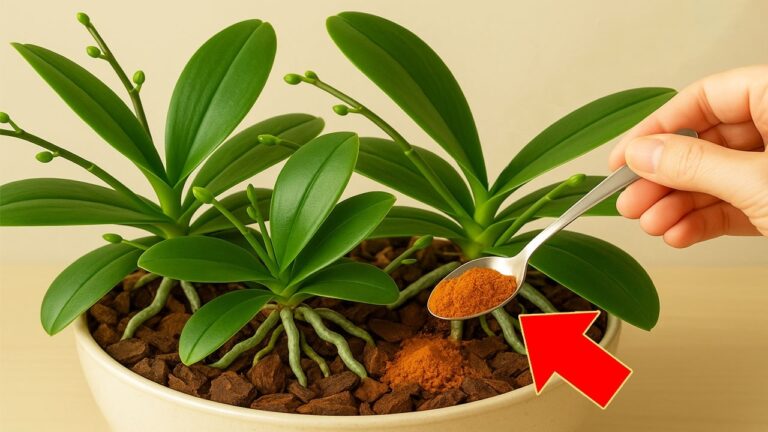
- Select your rice: Choose uncooked white or brown rice for optimal results.
- Prepare the rice by rinsing it thoroughly to remove excess starch.
- Mix the rice into your orchid potting mix, ensuring it is well-distributed.
- Water your orchids regularly, allowing the rice to help retain moisture.
Utilizing Rice Water
An alternative method involves using rice water. Follow these steps for a nutrient-rich solution:
- Rinse your rice and collect the water used in the rinsing process.
- Dilute the rice water with additional water if it appears too concentrated.
- Apply the rice water to your orchids every few weeks as a natural fertilizer.
Best Rice Variations for Your Orchids
Not all rice is created equal when it comes to caring for orchids. Here are some variations to consider:
- Brown Rice: Less processed and retains more nutrients, making it beneficial for overall plant health.
- White Rice: Common and easily accessible, perfect for beginners looking to try this method.
- Jasmine Rice: Known for its fragrant aroma, it also delivers nutrients effectively.
Choosing the Right Type of Rice
When selecting rice for your orchids, consider your specific gardening needs and preferences. The type of rice can influence how well it serves your plants.
Organic Rice Options
Opt for organic rice whenever possible. This ensures that no harmful chemicals or pesticides are introduced into your orchids’ environment.
Common Mistakes to Avoid
Implementing rice in your orchid care can yield great results, but it’s essential to avoid certain pitfalls:
- Overwatering: Rice can retain too much moisture, leading to root rot. Monitor your watering schedule.
- Wrong Rice Type: Avoid instant or flavored rice, as these can contain additives harmful to plants.
- Neglecting Fertilization: While rice aids in growth, it doesn’t replace traditional fertilization completely.
FAQ
Can I use cooked rice for orchids?
It’s best to use uncooked rice, as cooked rice can mold and attract pests, potentially harming your orchids.
How often should I apply rice water?
Applying rice water every 3-4 weeks is sufficient to provide nutrients without overwhelming your plants.
Will using rice alone ensure my orchids bloom?
While rice can enhance root growth and overall health, regular care, including proper lighting and watering, is crucial for successful blooming.
Conclusion
Incorporating rice into your orchid care routine can help you achieve stronger root systems and healthier plants. Are you ready to give this method a try with your orchids?