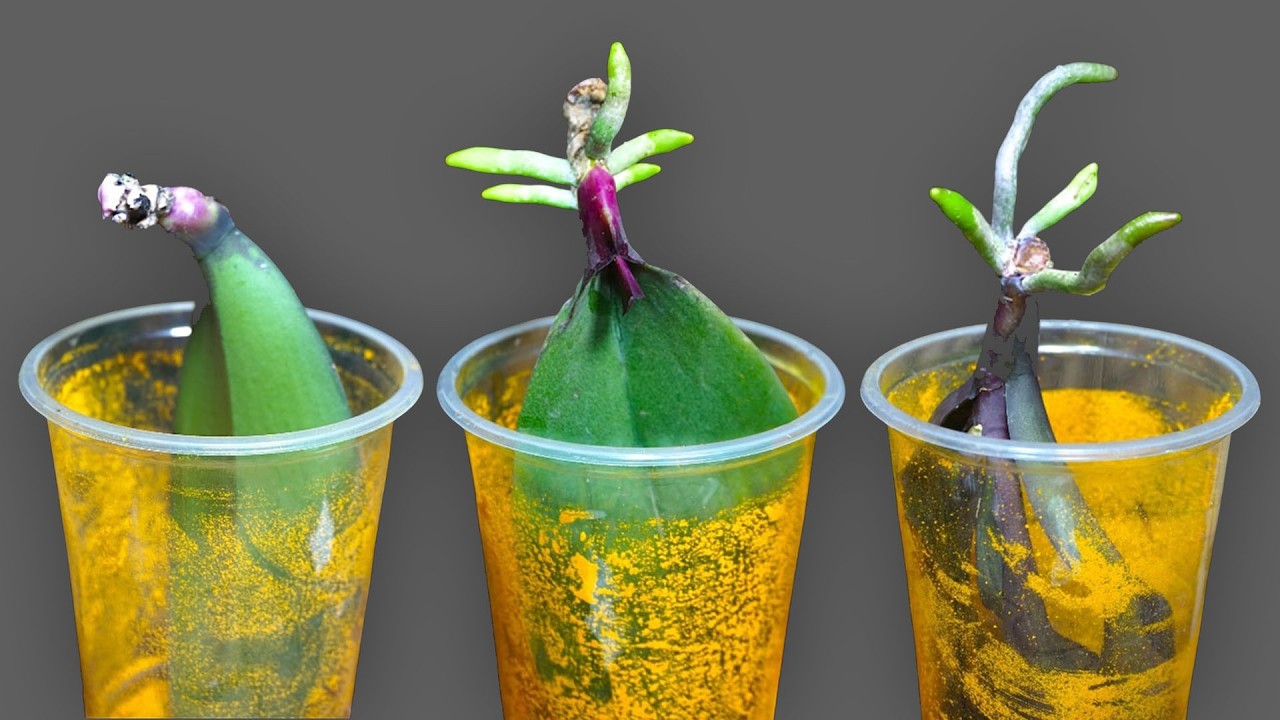
Unlock 5 Secrets for Orchids to Root Fast—Discover the Magic Today!
5 Secrets for Orchids to Root Fast
- Understanding Orchid Roots
- Best Conditions for Rooting Orchids
- Step-by-Step Rooting Process
- Common Mistakes to Avoid
- FAQ
Have you noticed your beloved orchids struggling to grow roots? This can be particularly frustrating, especially if you’ve invested time and care into their well-being. It’s not uncommon for orchid enthusiasts to encounter this issue, and many wonder what steps they can take to promote healthy root growth. You’ll soon discover some effective methods to nurture your orchids back to health. Keep reading to unveil these essential tips!
Understanding Orchid Roots
Before diving into solutions, it’s important to grasp the nature of orchid roots. Unlike typical houseplants, orchids possess unique root systems that require specific care. Their roots are designed to absorb moisture and nutrients from the air, rather than just from soil.
Key Characteristics of Orchid Roots
- Orchids have a spongy outer layer called velamen, which helps them retain moisture.
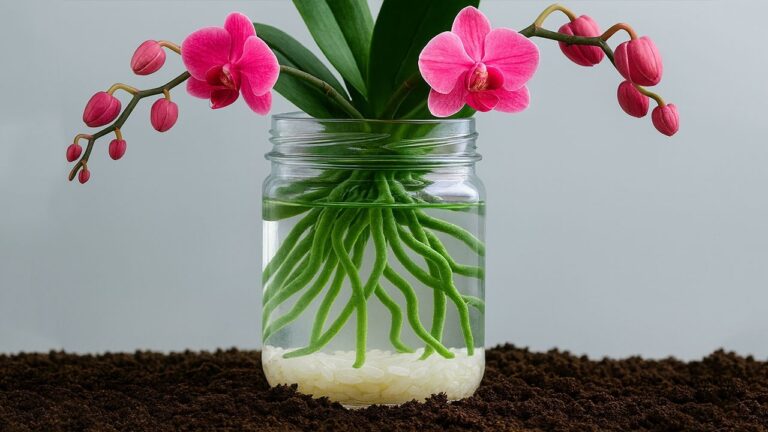
- Healthy roots are typically green and firm, indicating they are absorbing water effectively.
- These roots also play a role in photosynthesis when exposed to light.
How Environment Influences Root Growth
The environment surrounding your orchids significantly impacts their root development. Various factors such as humidity, light, and temperature can either enhance or hinder the growth process.
Best Conditions for Rooting Orchids
Creating the ideal conditions for your orchids is vital for successful rooting. Focus on the following elements:
Humidity Levels
Orchids thrive in high humidity. Aim for a humidity level between 50% and 70% to encourage root growth. Here are some tips:
- Use a humidifier in the room where you keep your orchids.
- Group orchids together; this creates a microclimate with increased humidity.
- Place a tray of water with pebbles under the pots to enhance moisture without overwatering.
Light Requirements
Light plays a crucial role in vibrant growth. Orchids generally prefer bright, indirect sunlight. Here’s how to optimize lighting:
- Consider placing your orchids near a window that receives filtered light.
- Rotate your orchids periodically to ensure even light exposure.
- Use sheer curtains to diffuse harsh sunlight during peak hours.
Step-by-Step Rooting Process
To root your orchids effectively, follow these key steps:
Gather Necessary Materials
Before you begin, ensure you have these materials on hand:
- Orchid potting mix
- Clean pots with drainage holes
- Water with a high oxygen level, such as distilled or rainwater
Rooting Techniques
Here’s a detailed approach to rooting your orchids:
- Remove dead roots: Carefully inspect your orchid and prune any unhealthy roots.
- Soak in water: Immerse the roots in water for about 15-20 minutes to hydrate them.
- Pot with care: Place in a breathable potting mix, ensuring roots are spread out and not cramped.
Post-Potting Care
After potting, monitor your orchids closely. Here are some practical tips:
- Water only when the top layer of the media feels dry to the touch.
- Fertilize lightly with a specialized orchid fertilizer after a few weeks.
- Be patient; rooting can take several weeks to show signs of new growth.
Common Mistakes to Avoid
While caring for your orchids, watch out for these common pitfalls:
- Avoid overwatering, which can lead to root rot.
- Don’t neglect light; insufficient light can hinder growth.
- Steer clear of using garden soil; orchids require specific potting media.
- Do not repot too frequently; allow the plant to settle after a move.
FAQ
Why aren’t my orchid roots growing?
There could be multiple factors affecting root growth, including low humidity, poor light conditions, or root rot from overwatering. Assess the care conditions to ensure they meet the needs of the plant.
How often should I water my orchids?
Watering depends on your environment, but generally, you should water when the top layer of the media is dry. This could be every 1-2 weeks, depending on humidity levels.
Can I use regular potting soil for orchids?
No, regular potting soil retains too much moisture, which can cause root rot. Use a specialized orchid potting mix that allows for proper drainage and air circulation.
Conclusion
By understanding the unique needs of your orchids and providing the right conditions, you can facilitate healthy root growth. Remember to keep an eye on humidity, light, and watering practices to help your orchids thrive. What other tips do you have for orchid care?