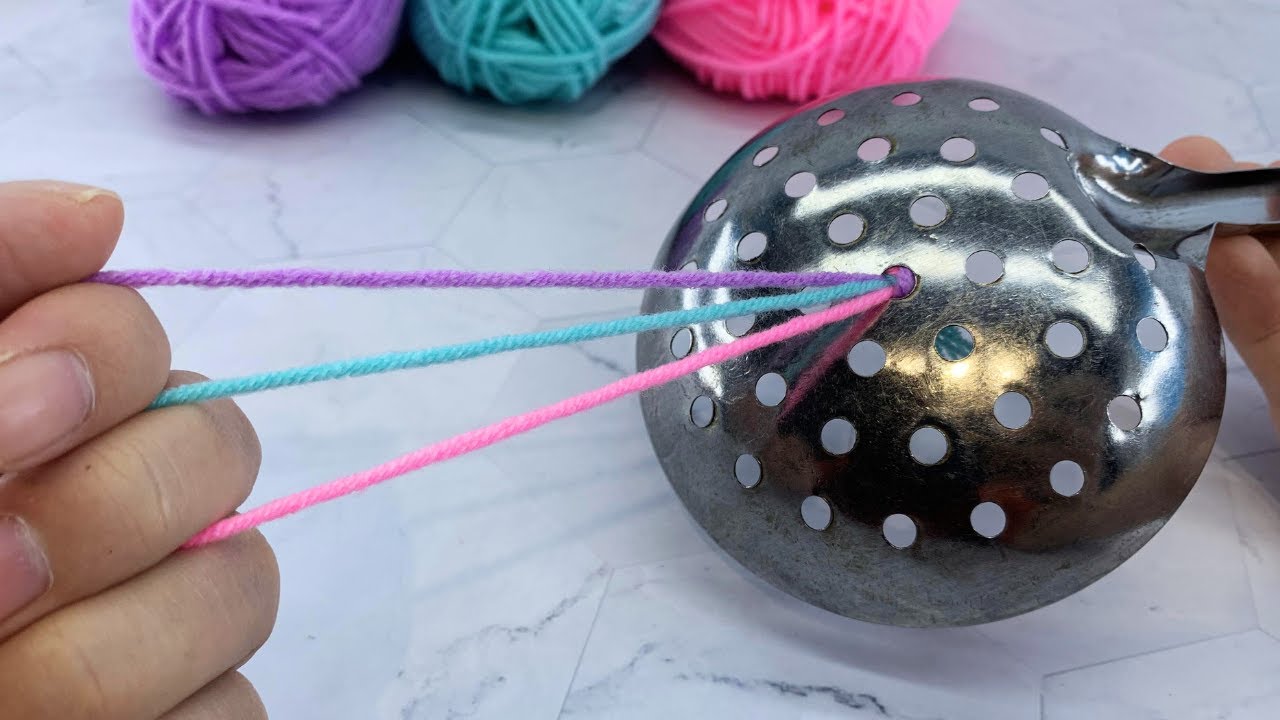
Transform Wool with This 5-Minute Trick for Stunning Results
Transforming Wool: A Quick and Easy 5-Minute Trick
Have you ever looked at a pile of raw wool and wondered how to bring it to life with vibrant colors and textures? Perhaps you have some old wool items that seem uninspired and in need of a refresh. When it comes to crafting, exploring the transformative potential of wool can be deeply rewarding. This simple 5-minute trick can turn dull wool into something stunning, and you’ll want to see how to do it.
Tools and Materials
Gathering the right tools and materials is essential for this quick transformation process. Here’s what you’ll need:
- Wool — any type you desire, whether it’s raw fleece or an old sweater.
- Food Coloring — vibrant colors to brighten your wool.
- Vinegar — acts as a setting agent for the dye.
- Water — for mixing the dye.
- Plastic Wrap — to cover your dyed wool.
- Plastic Gloves — to keep your hands clean.
Step-by-Step Technique
Now that you have your materials ready, let’s dive into the technique to transform your wool.
- Prepare Your Dye: In a bowl, mix a couple of tablespoons of food coloring with a cup of warm water. Add a splash of vinegar, which helps the dye adhere to the wool.
- Dip the Wool: Submerge your wool in the dye mixture, making sure it is fully saturated. For a gradient effect, dip only one side or parts of the wool.
- Wrap and Set: Place the dyed wool on a sheet of plastic wrap, wrapping it tightly. This will trap the heat and help the dye set.
- Heat: Place the wrapped wool in a microwave for 1–2 minutes. This step helps set the color; be cautious not to overheat, as you don’t want to felt the wool.
- Rinse and Dry: Carefully unwrap the wool and rinse it under cold water until the water runs clear, then lay it flat to dry completely.
Creative Applications
Your transformed wool can be used in countless creative projects. Here are a few ideas to inspire you:
- Felting Projects: Use your colored wool to create unique felted items like coasters, ornaments, or small sculptures.
- Knitting and Crocheting: Incorporate your dyed wool into knitting or crocheting projects for vibrant accessories.
- Home Decor: Use the transformed wool in wall hangings or throw pillows to add a pop of color to your living space.
Consider combining different colors or techniques, such as tie-dyeing, for even more unique results.
Common Mistakes to Avoid
When working with dyeing wool, it’s easy to make a few common missteps. Here are some errors to watch out for:
- Skipping the Vinegar: Vinegar helps set the dye, so don’t omit this important step.
- Overheating the Wool: Too much heat can felt the wool. Always monitor the microwave carefully.
- Not Testing Colors: Before committing to a large piece, test your dye on a small wool sample to see how the color turns out.
- Using Too Much Dye: A little goes a long way. Too much dye can lead to overwhelmingly bright colors or uneven distribution.
FAQ
How long does the color last on wool? With proper setting, the color can last a long time, but remember to wash your finished projects gently to preserve the vibrancy.
Can I use natural dyes? Absolutely! You can experiment with natural dyes from plants, fruits, or vegetables for environmentally-friendly options.
What is the best type of wool for dyeing? Generally, animal fibers like sheep’s wool absorb dye best, but you can also use alpaca or mohair for different textures.
Conclusion
Transforming wool with this simple technique opens up a world of creative possibilities for your projects. By following these steps, you can create stunning, colorful wool that breathes new life into your crafting. What projects are you excited to undertake with your newly dyed wool? Share your ideas in the comments!