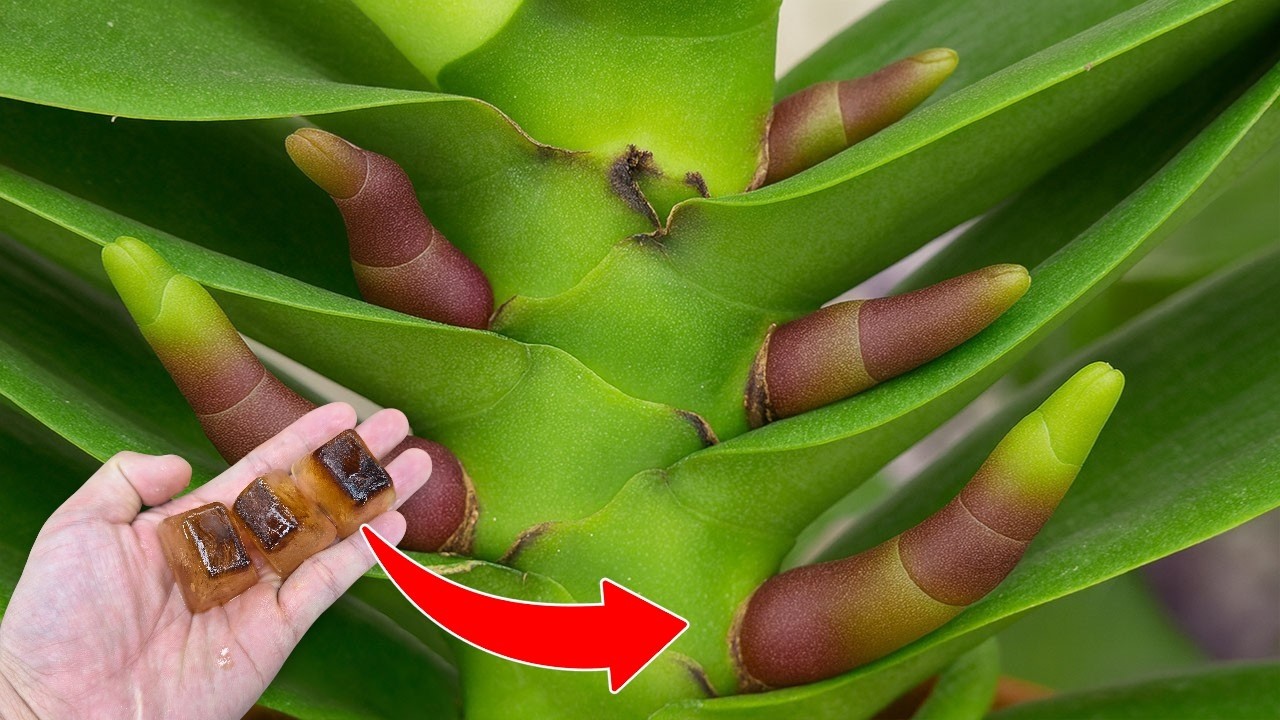
Transform Your Space: 5 Secrets to Blooming Flowerless Orchids This Summer!
Transform Your Space: 5 Secrets to Blooming Flowerless Orchids This Summer!
- Understanding Flowerless Orchids
- Best Growing Conditions
- Essential Care Tips
- Common Mistakes to Avoid
- FAQ
Have you ever seen a beautiful orchid plant in a friend’s home, only to wonder why your own seems to struggle in comparison? These stunning plants can be especially elusive, often showing little signs of blooming and leaving you frustrated. The secret to keeping your orchids healthy and bringing them back to life may be simpler than you think. Continue reading to discover the best practices to encourage blooming flowerless orchids this summer.
Understanding Flowerless Orchids
Orchids are unique and come in various types, each with its specific needs. Understanding why your orchid is not blooming can help you identify the right care method to encourage the growth of flowers.
1. Know the Orchid Types
There are several kinds of orchids, but the most common household varieties include Phalaenopsis, Cattleya, and Dendrobium. Each type has its distinct characteristics and blooming patterns that make them special.
2. Life Cycle Insights
Orchids typically have a resting period after the blooming phase. During this time, they may shed their flowers and look less vibrant. Recognizing this cycle allows you to adjust your care routine accordingly.
3. Signs of Health
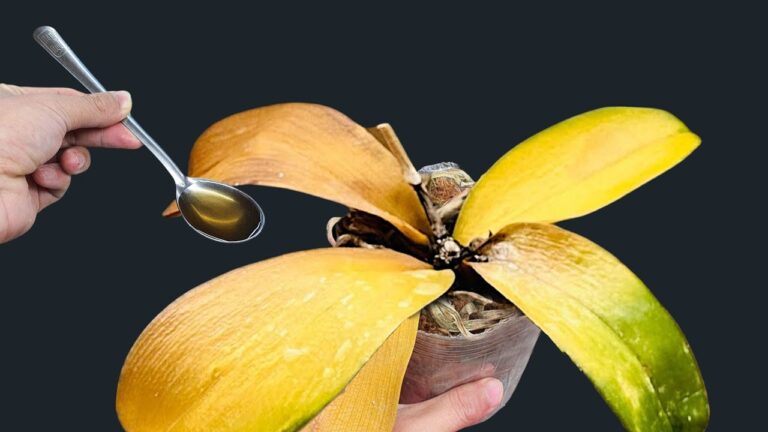
A healthy orchid will show vibrant green leaves and firm roots. When inspecting your flowerless orchids, focus on the leaves’ condition to gauge their overall health.
Best Growing Conditions
Creating the right environment is crucial for the well-being of your orchids. Here are key factors to remember:
1. Lighting
Orchids thrive in bright, indirect sunlight. Position your plant near a window that receives filtered light. Too much direct sunlight can scorch the leaves, while too little can deter blooming.
2. Temperature and Humidity
Most orchids prefer temperatures ranging from 65°F to 75°F. Consistent humidity levels between 50% and 70% will also encourage bloom growth. Consider using a humidifier or pebble trays to maintain moisture in the air.
3. Air Circulation
Good air circulation is vital for preventing mold and encouraging healthy growth. Ensure your orchids have a well-ventilated space, as stagnant air can lead to various plant issues.
Essential Care Tips
Proper care will greatly increase your chances of witnessing those beautiful blooms. Follow these tips for the best results:
1. Watering Techniques
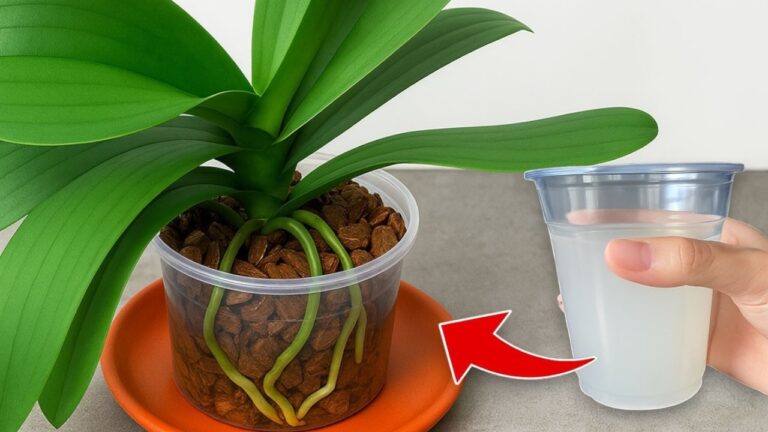
Orchids should be watered thoroughly but allowed to dry out slightly between watering sessions. Generally, watering once every week to ten days is sufficient. To check for moisture, stick your finger about an inch deep into the potting medium.
2. Fertilizing Routine
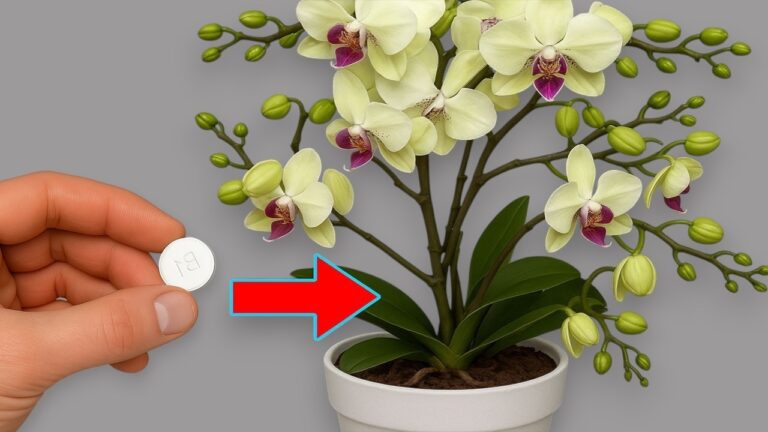
Fertilizing your orchid can provide the necessary nutrients for blooming. Use a balanced orchid fertilizer every 2-4 weeks during the growing season and reduce frequency during the resting phase.
3. Repotting
Repot your orchids every couple of years or when the roots outgrow their container. Use a well-draining orchid mix that will keep the roots aerated and healthy.
Common Mistakes to Avoid
There are several pitfalls that can hinder your orchid’s blooming potential. Here are some common mistakes to avoid:
1. Overwatering
One of the biggest mistakes is overwatering, which can lead to root rot. Always ensure that the potting mix dries out slightly before adding more water.
2. Neglecting Light Requirements
Placing your orchid in direct sunlight or complete darkness can affect blooming. Observing light levels is essential for promoting healthy growth.
3. Ignoring Seasonal Changes
Failing to adjust care for the change in seasons can impact your plant’s health. Be mindful of changing temperature and light conditions throughout the year.
FAQ
Why is my orchid not blooming? Flowerless orchids may signal that they are in their resting phase or require adjustments in care, such as light or humidity levels.
How often should I repot my orchid? Orchids typically need repotting every 1-2 years or when the root system grows too large for the current pot.
Can I bloom my orchid without fertilizer? While not required, using a balanced orchid fertilizer can significantly increase the chances of blossoming.
In summary, fostering healthy conditions and proper care can turn your flowerless orchids into vibrant blooms. What specific care tips have you found helpful for your orchids? Feel free to share your experiences in the comments!