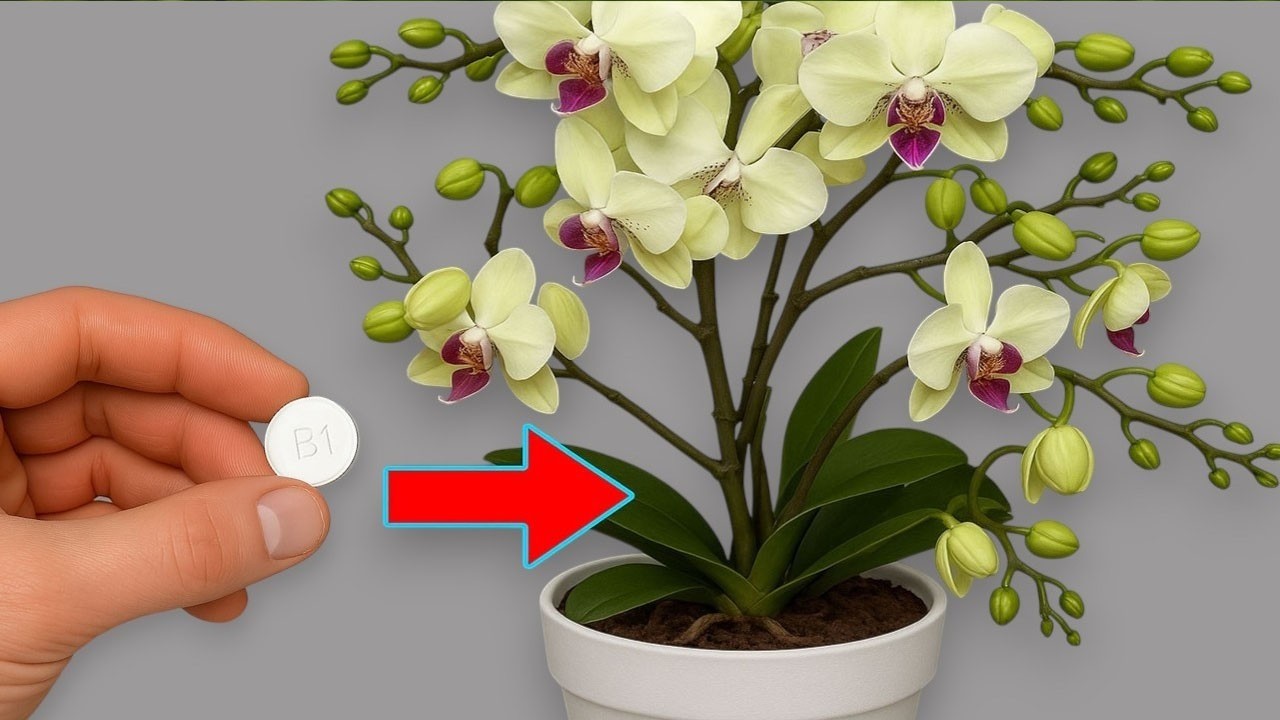
Boost Your Orchids: 7 Tips for 100 Roots and Year-Round Blooms!
Boost Your Orchids: Tips for Thriving Roots and Year-Round Blooms
- Introduction
- Understanding Orchids
- Essential Care Tips for Orchids
- Common Mistakes to Avoid
- FAQ
- Conclusion
Introduction
Orchids have a unique charm, yet many people struggle to keep them thriving. You may have noticed your orchid’s roots looking less than healthy, or perhaps it’s not blooming as expected despite your care. This can be frustrating, especially when you want to enjoy the beauty and elegance these plants bring to your home. By understanding their specific needs and adopting a few essential practices, you can cultivate robust roots and encourage year-round blooms. Let’s explore how to achieve this together.
Understanding Orchids
Orchids are not just beautiful; they are also fascinating plants that belong to a vast family with over 25,000 species. Knowing more about them will help you provide better care. Here’s what you should know:
Different Types of Orchids
- Cattleya: Known for their large, fragrant flowers.
- Phalaenopsis: Often hailed as the most popular due to their long-lasting blooms.
- Oncidium: Recognized for their delicate, dancing blooms.
Natural Habitat
Many orchids are epiphytes, thriving in trees rather than soil. This means they prefer a well-draining medium that mimics their natural environment.
Essential Care Tips for Orchids
To ensure healthy roots and abundant blooms, consider these essential tips:
1. Choose the Right Potting Medium
Use a mix designed for orchids, often containing bark, charcoal, and sphagnum moss to provide appropriate drainage. Here’s how:
- Start with a clean pot with drainage holes.
- Add a layer of medium at the bottom.
- Place your orchid on the medium, then fill around it carefully.
2. Watering Wisely
Understanding how often to water is crucial. Over-watering is a common issue. Here’s a simple method to determine when to water:
- Check the potting medium; if it feels dry an inch down, it’s time to water.
- Water in the morning to allow excess moisture to evaporate.
3. Proper Lighting
Orchids enjoy bright, indirect sunlight. If you notice yellowing leaves, it might indicate too much light. Consider:
- Placing your orchid near an east-facing window.
- Shading with sheer curtains during peak sunlight hours.
4. Fertilizing Regularly
Using a balanced fertilizer boosts growth and blooming. Follow these tips:
- Feed with a diluted orchid fertilizer every 2 weeks during the growing season.
- Reduce to once a month in winter.
Common Mistakes to Avoid
While caring for orchids can be rewarding, here are some common mistakes to steer clear of:
1. Over-Watering
Many orchids suffer due to excessive moisture. Always ensure the potting medium is drying out between waterings.
2. Skipping Repotting
If left in the same medium for too long, roots can become suffocated. Repot every 1-2 years to refresh the medium.
3. Ignoring Temperature Needs
Orchids prefer temperatures between 65°F and 75°F during the day. Extreme temperature fluctuations can hinder blooming.
4. Neglecting Air Circulation
Ensuring good airflow around your orchid helps prevent mold and root rot. Consider using a fan during dry seasons.
5. Insufficient Light
Low light can lead to weak growth. Ensure your orchid gets enough indirect sunlight to flourish.
FAQ
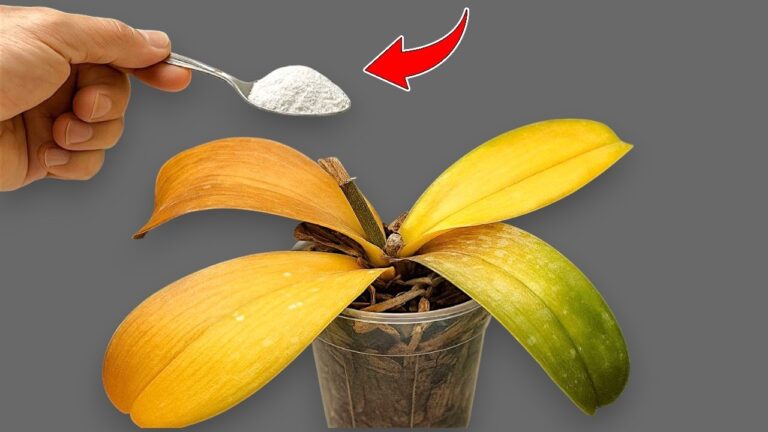
Why are my orchid leaves turning yellow?
Yellowing leaves can indicate over-watering, insufficient light, or nutrient deficiency. Check these factors to identify the cause.
How often should I water my orchid?
Watering depends on your environment, but typically once a week is ideal. Ensure the potting medium dries out slightly between waterings.
What is the best fertilizer for orchids?
A balanced orchid fertilizer, usually a 30-10-10 formulation, is recommended. Dilute it according to the package instructions for optimal results.
Conclusion
By understanding the unique needs of your orchids and avoiding common pitfalls, you can create a thriving environment that promotes robust roots and continuous blooms. What tips have worked best for you in caring for your orchids? Your experiences could help others in our community.