5 Genius Embroidery Tricks to Revive Your Clothes and Reduce Waste
5 Genius Embroidery Tricks to Revive Your Clothes and Reduce Waste
- Introduction
- Why Embroidery is a Sustainable Choice
- Essential Materials for Embroidery
- Embellishing Techniques to Try
- Common Mistakes to Avoid
- FAQ
- Conclusion
Introduction
You’ve just discovered a favorite shirt sitting at the back of your closet, but it has seen better days. Instead of tossing it aside, consider giving it a fresh look through the art of embroidery. This simple yet creative technique can transform worn garments into cherished pieces, all while contributing to sustainable fashion. Curious to learn how to breathe new life into your clothing? Read on to uncover some clever embroidery tricks.
Why Embroidery is a Sustainable Choice
Embroidery is not just an artistic expression; it’s also a sustainable way to extend the life of your clothes. Here’s why you should consider it:
1. Reduces Textile Waste
Every year, millions of tons of clothing end up in landfills. By choosing to embroider rather than discard, you help minimize this waste.
2. Personalizes Your Wardrobe
With embroidery, you can customize your clothes to reflect your unique style. Whether it’s a simple floral pattern or a bold statement, the possibilities are endless.
3. Economical Solution
Rather than purchasing new clothing, you can revitalize what you already own. This not only saves money but also reduces your environmental footprint.
Essential Materials for Embroidery
Before diving into your embroidery project, gather the necessary supplies:
- Various Threads: Choose colorful threads that suit your design. Cotton and polyester threads are popular options.
- Embroidery Needles: Ensure you have the correct size needle for your chosen fabric.
- Fabric Hoops: These help keep your fabric taut while you work, making your stitches more even.
- Scissors: Sharp fabric scissors will make cutting threads easier and more precise.
- Fabric Marking Tools: Use these to outline your design before you start stitching.
Embellishing Techniques to Try
Now that you have your materials ready, explore these creative techniques:
1. Basic Stitches
Start with simple stitches, like backstitch, satin stitch, or running stitch. These are foundational skills that will give your project a polished look.
- Choose your thread color.
- Thread your needle and tie a knot at the end.
- Practice on a scrap piece of fabric before working on your garment.
2. Adding Patches
Combine embroidery with fabric patches for added flair. Here’s how:
- Choose a patch that reflects your style.
- Embroider around the edges to make the patch pop.
- Secure it in place with a few stitches for longevity.
3. Monogramming
Personalize your items by monogramming your initials. This adds a touch of elegance to simple clothing.
- Decide on the placement of your initials.
- Outline the letters with a fabric marker.
- Stitch carefully over the outline for a clear finish.
4. Floral Designs
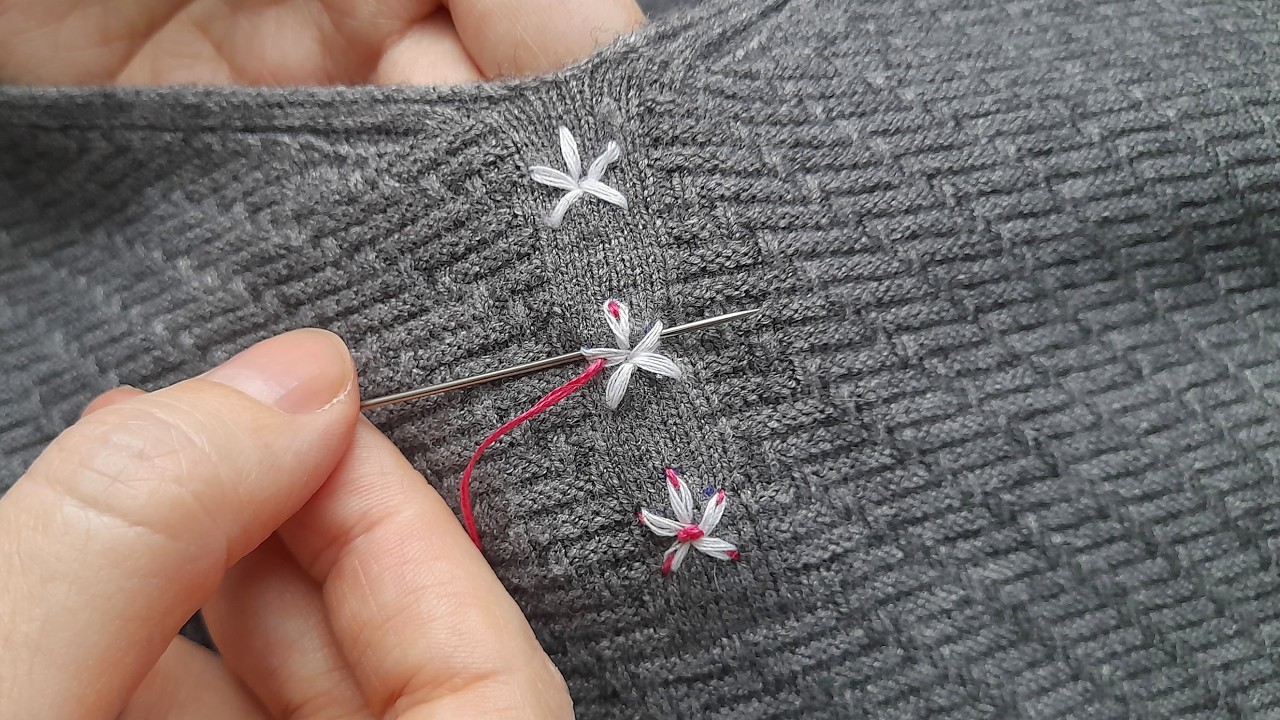
Embroidered flowers can give your clothing a vibrant update. Start with basic shapes and fill them in with various colors.
- Choose your flower type (roses, daisies, etc.).
- Research simple patterns for guidance.
- Experiment with different shades for depth.
Common Mistakes to Avoid
To ensure your embroidery projects turn out beautifully, watch out for these common pitfalls:
- Skipping fabric washing: Always pre-wash the fabric to prevent shrinkage later.
- Neglecting to plan your design: Sketch your design before starting to avoid mistakes.
- Using the wrong needle size: Ensure your needle is compatible with your fabric type to avoid damage.
- Rushing your stitches: Take your time to ensure even and neat embroidery.
FAQ
What fabrics are best for embroidery?
Cotton, linen, and denim are excellent choices for embroidery as they hold stitches well. Avoid stretchy fabrics for best results.
Can I use regular thread for embroidery?
While regular thread can be used, embroidery thread is thicker and comes in various colors and finishes, making it more suitable for the job.
How can I remove embroidery stitches if I make a mistake?
Carefully use a seam ripper or small scissors to cut the threads, ensuring you don’t damage the fabric underneath.
Conclusion
With these embroidery tricks, you can easily revitalize your wardrobe while promoting sustainability. Have you tried any embroidery techniques on your clothes? Share your experiences in the comments below!