7 Warning Signs You Have High Blood Pressure You Shouldn’t Ignore!
7 Warning Signs of High Blood Pressure You Shouldn’t Ignore
- Understanding High Blood Pressure
- Common Signs of High Blood Pressure
- Consequences of Ignoring Symptoms
- Mistakes to Avoid
- FAQs About High Blood Pressure
Understanding High Blood Pressure
Many people are unaware that they may be living with high blood pressure, often referred to as a silent killer. This condition generally develops over time without obvious symptoms, leaving individuals susceptible to serious health risks. Recognizing the signs early can be crucial for managing your health effectively. In this article, we explore common indicators that might signal an issue and reasons why you should take them seriously.
Common Signs of High Blood Pressure
It’s important to stay alert for certain symptoms that could point to high blood pressure. Here are some noticeable signs:
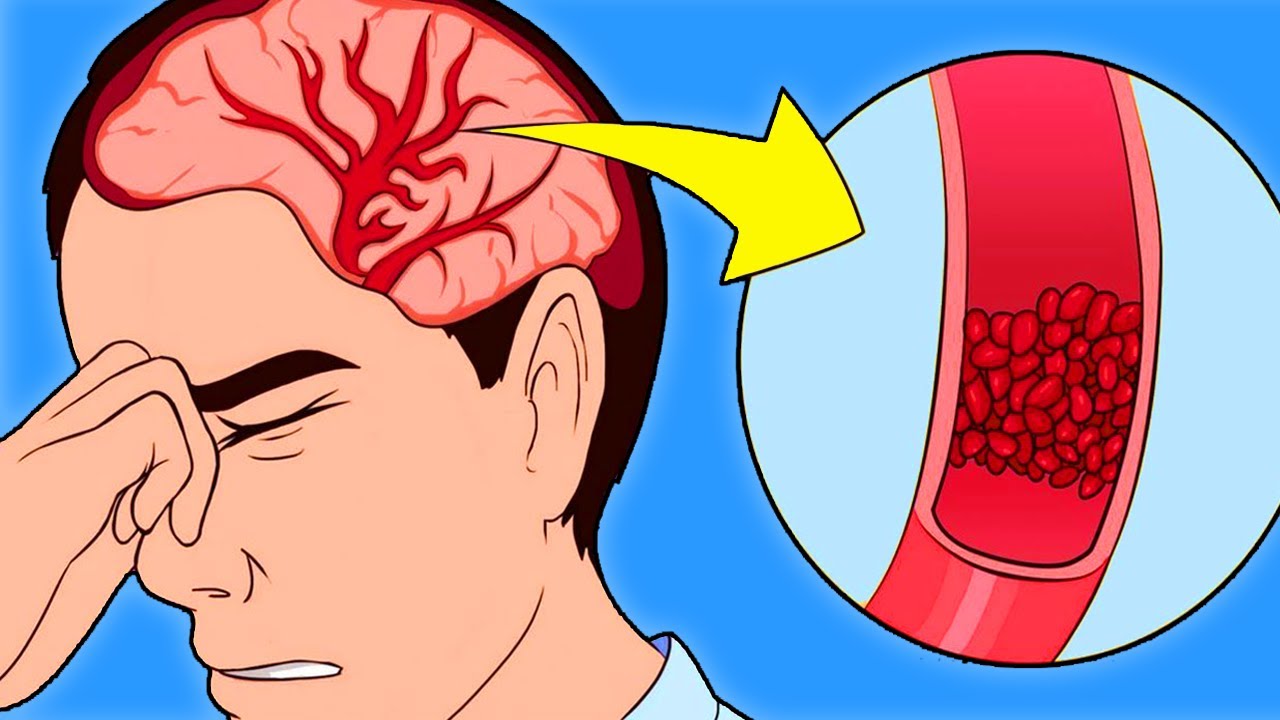
- Frequent Headaches: If you find yourself experiencing persistent headaches, especially at the back of your head, it could be a sign of elevated blood pressure levels.
- Nosebleeds: While nosebleeds can occur for various reasons, frequent episodes may indicate hypertension.
- Shortness of Breath: If you experience unexpected shortness of breath during simple tasks like walking or climbing stairs, it could be a warning.
- Chest Pains: Any discomfort in your chest should be discussed with a healthcare professional, as it may relate to blood pressure issues.
- Fatigue or Confusion: Unusual tiredness or lack of clarity can sometimes stem from high blood pressure affecting blood flow to the brain.
Other Symptoms to Watch For
- Irregular Heartbeat
- Vision Problems
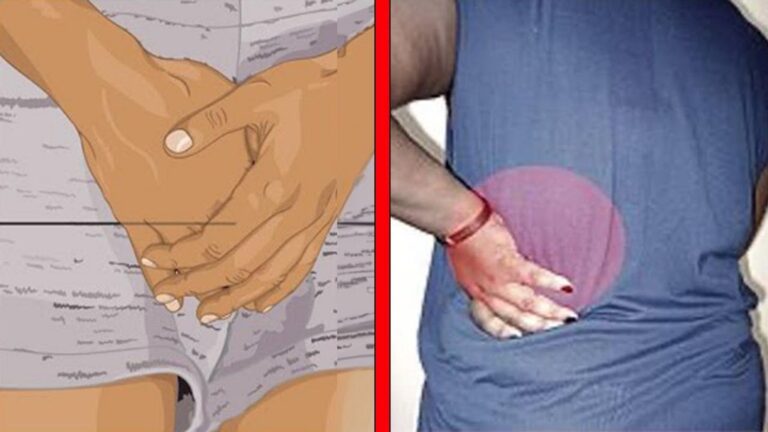
- Blood in Urine
Consequences of Ignoring Symptoms
Failing to address high blood pressure can lead to severe health complications:
Heart Disease
If left untreated, hypertension can damage your arteries and lead to heart disease.
Stroke
The risk of stroke increases significantly if you ignore your blood pressure levels, as hypertension can cause blood clots or hemorrhages in the brain.
Kidney Damage
Your kidneys filter excess fluid and waste from your blood. Untreated high blood pressure can lead to reduced kidney function or failure.
Mistakes to Avoid
Being aware of your health is essential, but there are common mistakes people make when it comes to managing blood pressure:
- Skipping Regular Check-ups: Neglecting to have your blood pressure checked can prevent you from catching hypertension early.
- Ignoring Symptoms: Dismissing warning signs can lead to severe consequences.
- Overlooking Lifestyle Changes: Not adopting healthier habits like diet and exercise can worsen your condition.
- Self-Medicating: Relying on over-the-counter medications without consulting a healthcare professional may not be effective.
FAQs About High Blood Pressure
What is considered high blood pressure?
High blood pressure is typically defined as a reading of 130/80 mm Hg or higher. Regular monitoring is key to understanding your individual range.
Can lifestyle changes lower blood pressure?
Yes, adopting a healthy diet, engaging in regular exercise, reducing alcohol consumption, and managing stress can significantly lower blood pressure.
When should I see a doctor?
If you experience any concerning symptoms or have a family history of hypertension, it’s wise to consult a healthcare professional for a comprehensive evaluation.
Conclusion
Recognizing the warning signs of high blood pressure is essential for early intervention and management. Regular monitoring and a healthy lifestyle can make a significant difference. What symptoms have you experienced that made you more aware of your blood pressure?