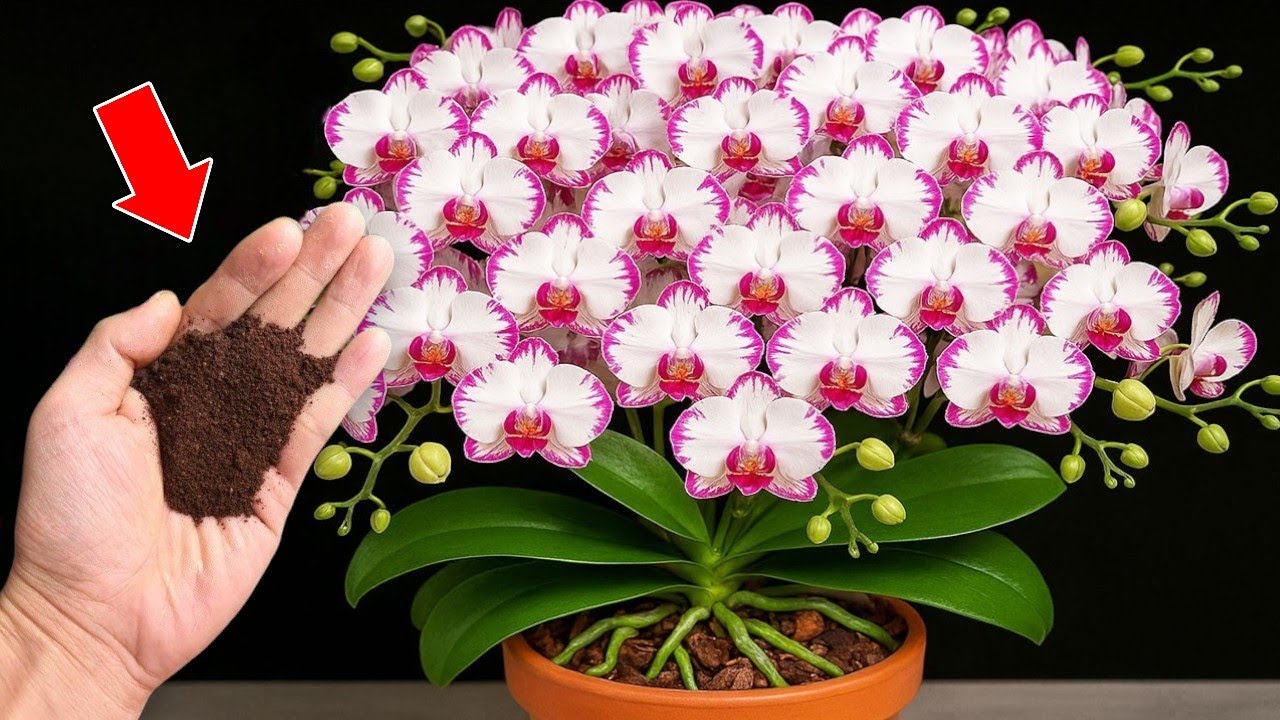
7 Secrets to Make Your Orchids Bloom Year-Round with Easy Pot Tips!
7 Secrets for Year-Round Orchid Blooming with Simple Potting Tips
- Introduction
- Choosing the Right Potting Materials
- Optimal Watering Techniques
- Proper Lighting Conditions
- Common Mistakes to Avoid
- FAQ
- Conclusion
Introduction
Orchids are among the most beautiful plants, often admired for their exquisite blooms. However, many orchid enthusiasts find themselves struggling to encourage these delicate flowers to bloom consistently. If you’ve ever gazed at your orchid, hoping to see those vibrant petals grace your living space, you’ve likely experienced the same frustration. Understanding the optimal potting techniques can make all the difference in helping your orchids thrive. Let’s explore some essential tips to ensure your orchids bloom beautifully all year round.
Choosing the Right Potting Materials
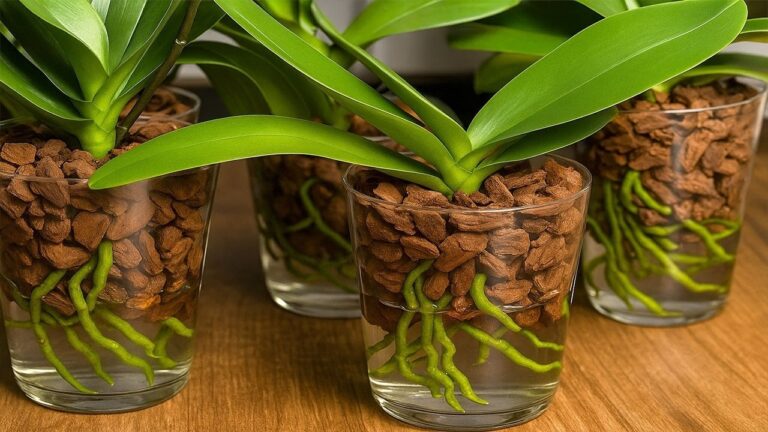
Selecting the right materials is crucial for your orchid’s health. Orchids thrive in well-draining, airy environments. Here are some tips for choosing the best potting materials:
1. Select the Ideal Orchid Medium
- Choose a potting mix designed specifically for orchids, which usually includes bark, sphagnum moss, or perlite to enhance drainage.
- Consider using clay pots for better moisture control, as they allow the roots to breathe while preventing overwatering.
- Opt for pots with drainage holes to prevent water from accumulating at the bottom.
2. Ensure Proper Size of Pot
Choosing the correct pot size is essential for the growth of your orchids. A pot that is too large can hold excess moisture, leading to root rot, while a pot that is too small may restrict root growth.
3. Repotting Routine
Repotting your orchid every one to two years is crucial. Not only does it refresh the growing medium, but it also gives you a chance to inspect the roots for health.
Optimal Watering Techniques
Watering is often one of the biggest challenges for orchid care. Here are some effective techniques to get it right:
1. Understand Watering Frequency
Orchids generally prefer to dry out between waterings. Depending on the humidity and temperature, you may find yourself watering once a week.
2. Use the Right Method
- Water in the morning to allow the foliage to dry by evening, preventing fungal growth.
- Check the moisture level by sticking a finger into the growing medium. If it feels dry an inch below the surface, it’s time to water.
3. Choose Quality Water
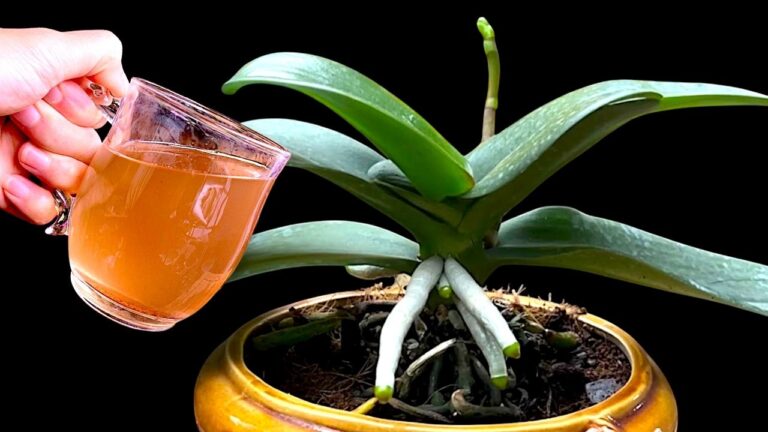
Using distilled or rainwater can reduce the risk of mineral buildup in the potting medium. Avoid tap water with high mineral content, as it can harm your orchids.
Proper Lighting Conditions
Light is a vital component of blooming orchids. Here’s how to ensure your orchids receive the right amount:
1. Identify the Right Location
- Place your orchids in an east or west-facing window, where they can receive filtered sunlight.
- Avoid direct sunlight during peak hours, as it can scorch the leaves.
2. Monitor Light Levels
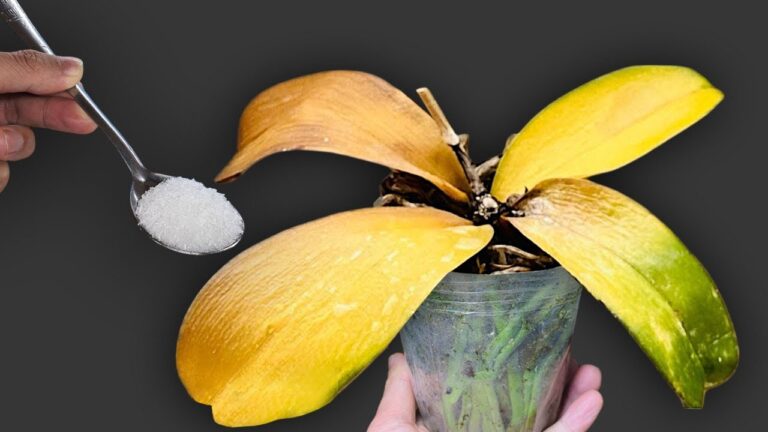
If your orchid’s leaves turn yellow, it might be getting too much light. On the other hand, dark green leaves could indicate a lack of light. Adjust accordingly for optimal bloom potential.
3. Use Grow Lights if Necessary
If natural lighting is insufficient, consider using grow lights to supplement. Select full-spectrum lights for the best results, helping your orchids flourish even in less-than-ideal conditions.
Common Mistakes to Avoid
Even seasoned orchid enthusiasts can make mistakes that hinder blooming. Here are some common pitfalls to watch out for:
1. Overwatering
One of the most common mistakes is overwatering. Always allow the growing medium to dry out slightly before watering again. Too much water can lead to root rot.
2. Improper Temperature
Orchids often require a temperature drop at night to encourage blooming. Keep nighttime temperatures slightly cooler than daytime temperatures for best results.
3. Neglecting Fertilization
Regular fertilization, especially during the growing season, is essential. Use a balanced, water-soluble fertilizer specifically designed for orchids to ensure they receive the necessary nutrients.
FAQ
Q: How often should I water my orchids?
A: Watering frequency depends on your specific environment, but generally, once a week is a good rule of thumb. Ensure the growing medium dries out slightly between waterings.
Q: What type of light do orchids need?
A: Orchids prefer bright, indirect light. An east or west-facing window works best, providing filtered sunlight.
Q: When is the best time to repot orchids?
A: Repotting should be done every one to two years, preferably in the spring when the plant begins its growing season.
Conclusion
By implementing these key potting tips and care techniques, you can encourage your orchids to bloom throughout the year. Your efforts in understanding their needs will pay off with vibrant, lasting blooms. What challenges have you faced in orchid care that you’d like to discuss?