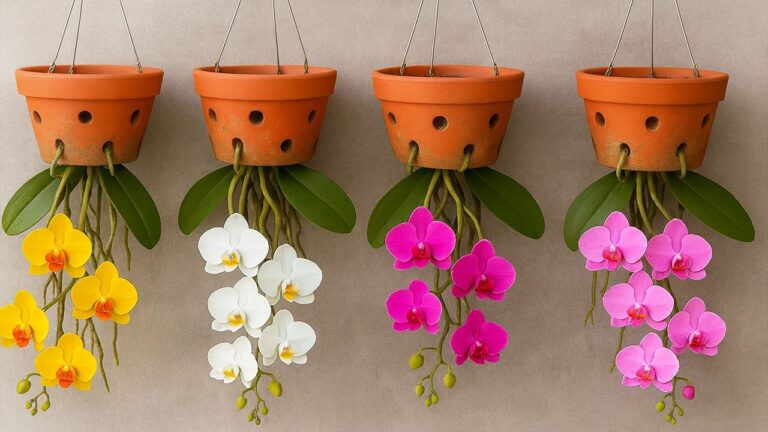
Unlock 100+ Blooms with Just One Pour! Healthy Orchid Roots Revealed
Unlock the Secrets to Healthy Orchid Roots for Stunning Blooms
- Introduction
- Understanding Orchid Roots
- Best Care Practices for Orchid Roots
- Common Mistakes to Avoid
- FAQ
Introduction
Many orchid enthusiasts find themselves facing a common problem: their plants are not blooming as expected. You may notice drooping leaves or roots that seem unhealthy, leaving you wondering what went wrong. With the right understanding and care, however, you can unlock the potential of your orchids, allowing them to thrive and bloom spectacularly. Let’s explore how to achieve this and ensure your orchids are beautifully healthy.
Understanding Orchid Roots
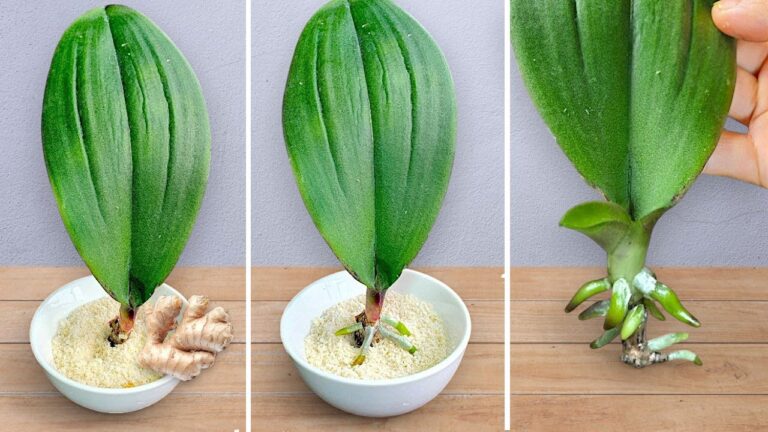
Orchids have unique root systems that require specific care to flourish. Their roots are designed to absorb moisture and nutrients efficiently, making it vital to know how to support their growth.
1. Characteristics of Healthy Roots
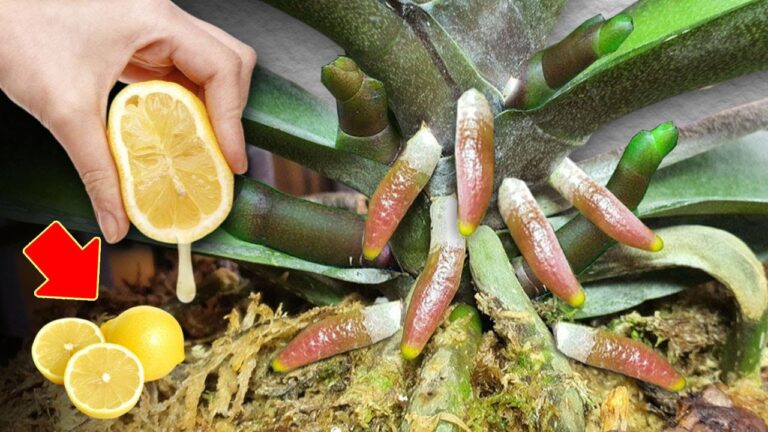
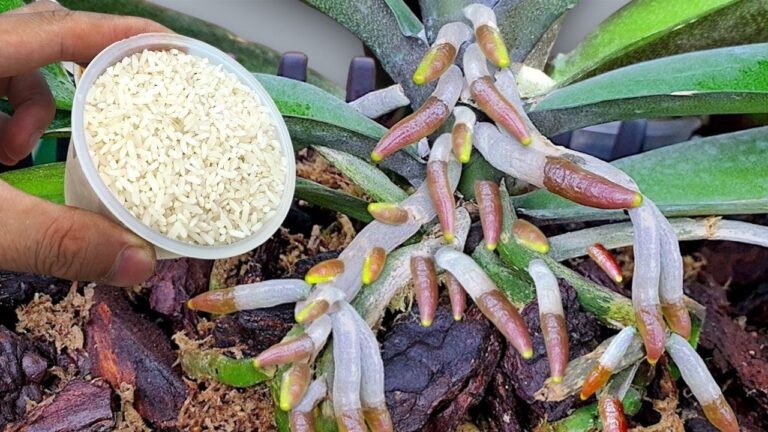
Healthy orchid roots typically exhibit certain characteristics:
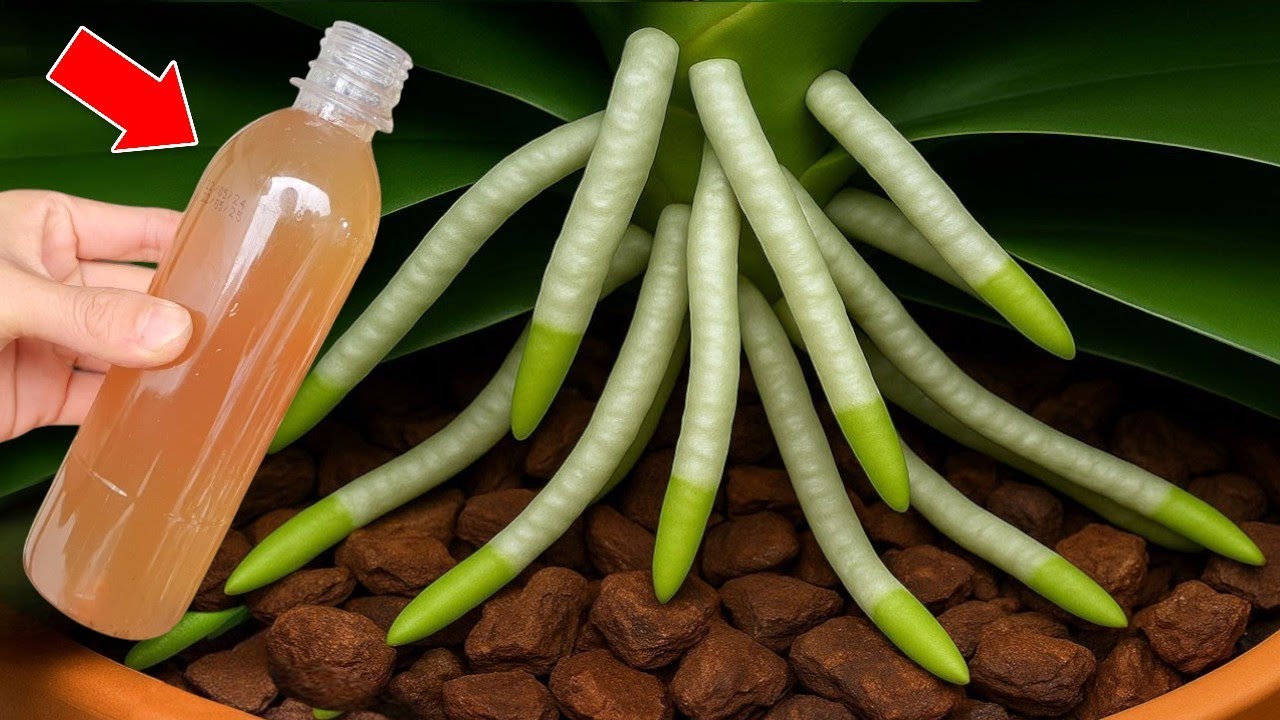
- Firm texture with a vibrant green or silver color.
- Ability to absorb water quickly when damp.
- A network that supports the plant, ideally growing outward, making the plant stable.
2. Common Root Issues
It’s essential to recognize potential problems with your orchid roots:
- Brown or mushy roots usually indicate overwatering.
- Roots that appear shriveled may signal underwatering.
- Dark spots can suggest root rot due to poor drainage.
3. Importance of Proper Potting Medium
The right potting medium is crucial for a healthy root system. Most orchids thrive in a mixture of:
- Orchid bark for drainage and aeration.
- Perlite or charcoal for moisture retention.
- Sphagnum moss for added moisture control.
Best Care Practices for Orchid Roots
Taking care of your orchid roots involves consistent practices that nurture their growth and health. Here are some essential tips to follow:
1. Watering Techniques
Proper watering is critical to orchid health. Follow these steps:
- Check the potting medium; it should be dry a couple of inches down before watering.
- Soak the pot thoroughly in water for about 15-20 minutes.
- Drain any excess water before returning the orchid to its decorative pot.
2. Light Requirements
Orchids thrive in bright, indirect light. A good practice is:
- Placing your orchid near a window that receives filtered light.
- Rotating the plant occasionally to ensure even light exposure.
- Avoiding direct sunlight, which can scorch the leaves.
3. Fertilization and Nutrients
To support root and overall plant health, consider these fertilization tips:
- Use a balanced orchid fertilizer, applying it every 3-4 weeks during the growing season.
- Dilute the fertilizer to half the recommended strength to avoid nutrient burn.
- Stop fertilizing during the plant’s dormant period to prevent stress.
Common Mistakes to Avoid
Even experienced orchid caretakers can fall into common pitfalls that hinder root health. Here are some mistakes to be cautious of:
1. Overwatering or Underwatering
Finding the right balance is vital. Regularly check moisture levels and adjust your watering schedule accordingly.
2. Poor Potting Choices
Using heavy soil can suffocate the roots. Always opt for a potting medium tailored for orchids, ensuring good aeration.
3. Ignoring Pests
Insects can damage roots. Inspect your orchid regularly for pests and treat any infestations promptly.
FAQ
1. How often should I water my orchids? The frequency depends on various factors, but generally, wait until the potting medium is dry a couple of inches down. This can mean watering once a week or longer.
2. What are the signs of unhealthy orchid roots? Look for brown, mushy roots, shriveled appearances, or dark spots, which may indicate overwatering, underwatering, or root rot.
3. Can I use regular potting soil for orchids? No, regular potting soil can retain too much moisture. Use a specific orchid potting mix that provides proper drainage and aeration.
Conclusion
Understanding how to care for your orchid roots can significantly impact your plant’s blooming potential. Always monitor watering practices and choose the right potting medium for optimal health. What challenges have you faced while caring for your orchids? Feel free to share your experiences in the comments!